The Kansas City Catalyst
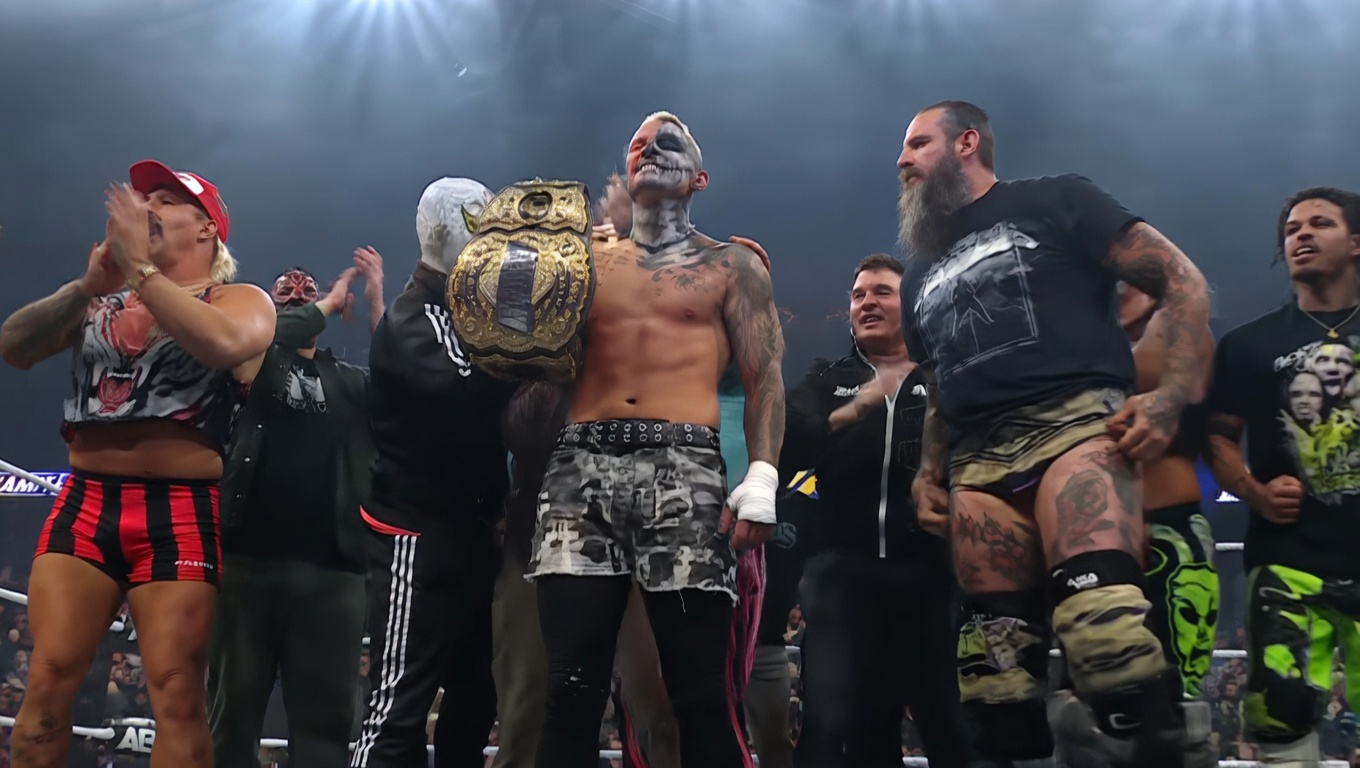
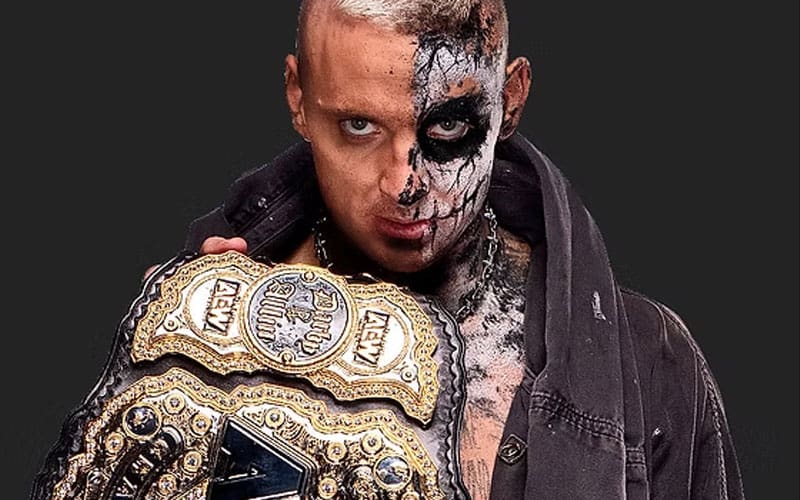
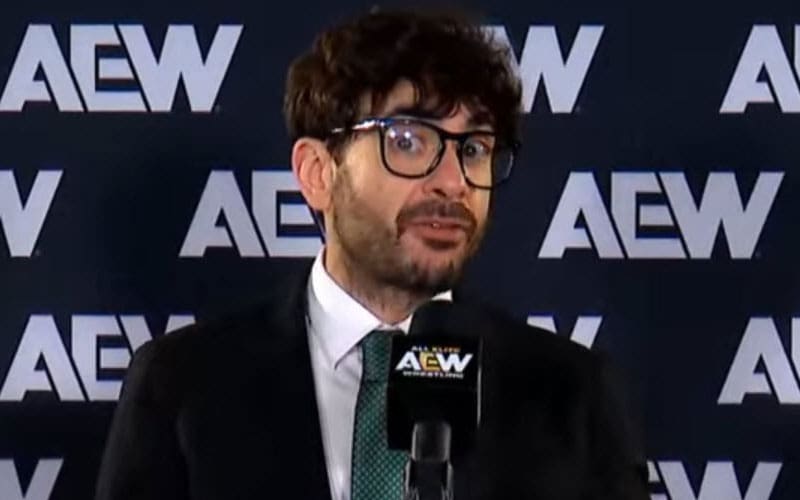
Darby Allin is officially next in line. Following his victory at AEW Dynasty on March 30, Tony Khan has confirmed that Allin's AEW World Championship opportunity is locked in.
While Khan didn't drop the exact date during the post-show scrum, the logistics point heavily toward Double or Nothing on May 24. That gives AEW 41 days to build a main event program against MJF. But beyond the booking timeline, the actual match data from Allin's recent run tells a compelling story. He isn't the reckless underdog who challenged for the belt three years ago.
This version of Darby Allin is a mathematical problem that top-tier heavyweights are struggling to solve.
The Evolution of Evasion
It has been exactly 1,085 days since Allin last challenged for the top prize. That was the four-way match at Double or Nothing 2023. Back then, his offense was almost entirely predicated on absorbing staggering amounts of punishment. He would tire out larger opponents before hitting a desperate counter.
His defensive metrics from 2023 reflect that grueling style. He absorbed an average of 42 significant strikes per match before registering his first near-fall. Fast forward to his 2025-2026 campaign, and that number has plummeted to just 18 strikes absorbed.
He is dodging more. He is grappling smarter. He initiates offense much earlier in the bell-to-bell timeline.
His average match length in 2023 sat at a bloated 19:45. Today, that average has dropped sharply to 14:22. He isn't just surviving main event talent anymore. He is efficiently dismantling them.
Inverting the Heavyweight Curse
The most fascinating shift in Allin's statistical profile is his success rate against super-heavyweights. Historically, anyone billed over 250 pounds was guaranteed kryptonite for the Washington native.
Between 2019 and 2022, Allin held a dismal 31 percent win rate against heavyweights in singles competition. He was squashed by Powerhouse Hobbs. He was brutalized by Miro. Brian Cage repeatedly outmuscled him in the corner.
But the data from his last 18 months paints a completely different picture. Since late 2024, Allin boasts an 87 percent win rate in televised singles matches. More importantly, he has inverted his heavyweight curse. He has won six of his last seven encounters against men outweighing him by 60 pounds or more.
This isn't a fluke. It is a direct result of changing his target zones. Instead of relying on high-risk top-rope dives that leave him vulnerable to mid-air catches, Allin has heavily integrated mat-based joint manipulation. He regularly uses the Fujiwara armbar to ground bigger opponents. He targets knee strikes to cut down their base.
Strike Differentials and Mat Control
Looking closer at the micro-stats of Allin's 2026 matches, his strike differential is the hidden engine driving his success. In professional wrestling, pacing is dictated by who throws the first strike in a neutral exchange.
During his early AEW years, Allin was consistently out-struck in the opening five minutes of his matches. He absorbed heavy blows to the chest and jaw, relying on his unnatural pain tolerance to stay in the fight. Opponents would comfortably establish ring control.
That trend is dead. In his last 12 singles matches leading up to Dynasty, Allin has thrown the first strike in nine of them. He is initiating contact. He is firing off rapid-fire elbow strikes and low kicks to back opponents into the ropes before they can establish a grappling base.
This early aggression translates directly into mat control. By forcing heavier opponents backward, he creates the necessary space to execute his signature springboard arm drags without being countered. He isn't wrestling off his back anymore. He is fighting moving forward.
The Midcard Ceiling
The biggest critique of Allin has always been his perceived ceiling. He has secured three separate TNT Championship reigns. That cemented him as the undisputed king of AEW's midcard.
But when he steps into the world title picture, the success rate drops off a cliff. In his four previous televised AEW World Championship matches, Allin has fallen short every single time. He lost to Chris Jericho in 2019. Jon Moxley choked him out in 2020. MJF pinned him in 2021 with a side headlock takeover.
A major flaw in those previous title challenges was his inability to hit his signature offense down the stretch. In those four world title losses, Allin only successfully executed the Coffin Drop once. Opponents at the championship level simply scouted it too well. They rolled out of the way or got their knees up.
Fixing the Coffin Drop
If you watch his recent run leading into the Dynasty victory, the setup for the Coffin Drop has radically changed. He no longer goes for it when the opponent is merely dazed.
He waits until they are completely incapacitated by a sustained submission sequence. According to match tracking data, Allin now hits his finisher in 81 percent of his televised bouts. That is a career-high accuracy rate. He is protecting his finish by doing the heavy lifting on the mat before ascending the turnbuckle.
This brings us to the man currently holding the gold. MJF escaped Kansas City with the title after a dirty win over Kenny Omega. The contrast between the champion and the challenger right now is staggering.
The MJF Contrast
While Allin is wrestling the most efficient matches of his career, MJF is dragging his title defenses into deep water. The champion's average title defense length over the past year sits at an exhausting 24:15.
MJF rarely finishes opponents quickly. He relies heavily on attrition and underhanded tactics. In fact, tracking shows interference or foreign object usage in 75 percent of MJF's title defenses since he regained the belt.
MJF is a master of the slow build. He uses frequent roll-outs and stall tactics to kill the crowd's energy and frustrate the babyface. Against Kenny Omega at Dynasty, MJF spent a total of three minutes and forty seconds outside the ring avoiding contact. That is dead time designed to break an opponent's rhythm.
This creates a fascinating stylistic clash. You have a champion who wants to stall, jaw with the crowd, and drag the match past the 20-minute mark. You have a challenger who is currently blitzing opponents and ending matches in under 15 minutes.
If Allin allows MJF to dictate those pauses, his statistical advantage vanishes. Allin's current low average match time relies on continuous motion. When his matches are dragged past the 20-minute mark, his win rate drops back down to 45 percent. The data is clear: if the match goes long, the champion retains. If the match is a sprint, the challenger has a very real mathematical edge.
The Booking Risk
However, there is a glaring negative to how this upcoming title shot is being handled. By announcing the impending opportunity so soon after Dynasty, AEW risks cooling off Allin's momentum.
We have seen this company put number-one contenders on ice repeatedly. They throw them into meaningless trios matches while waiting for the pay-per-view cycle to catch up. It is a lazy booking crutch that consistently saps the heat from a massive television win.
If Tony Khan wants those impressive in-ring metrics to actually matter when the bell rings, Allin needs to be kept in high-stakes singles competition over the next month. The underlying numbers prove he is finally ready to hold the main event division on his shoulders. The creative team just needs to get out of his way and let him do it.
Read Next
- AEW Dynasty was a great show ruined by terrible main event booking
- MJF's cheap win over Kenny Omega proves his AEW title reign is out of ideas
- MJF's dirty win over Kenny Omega exposes a tired AEW booking formula
- AEW Dynasty fallout: Severe injury forces major pivot in Trios Title match
- ⚡ AEW Dynasty 2026 — Full Coverage Hub