Measuring the risk-reward ratio of Darby Allin
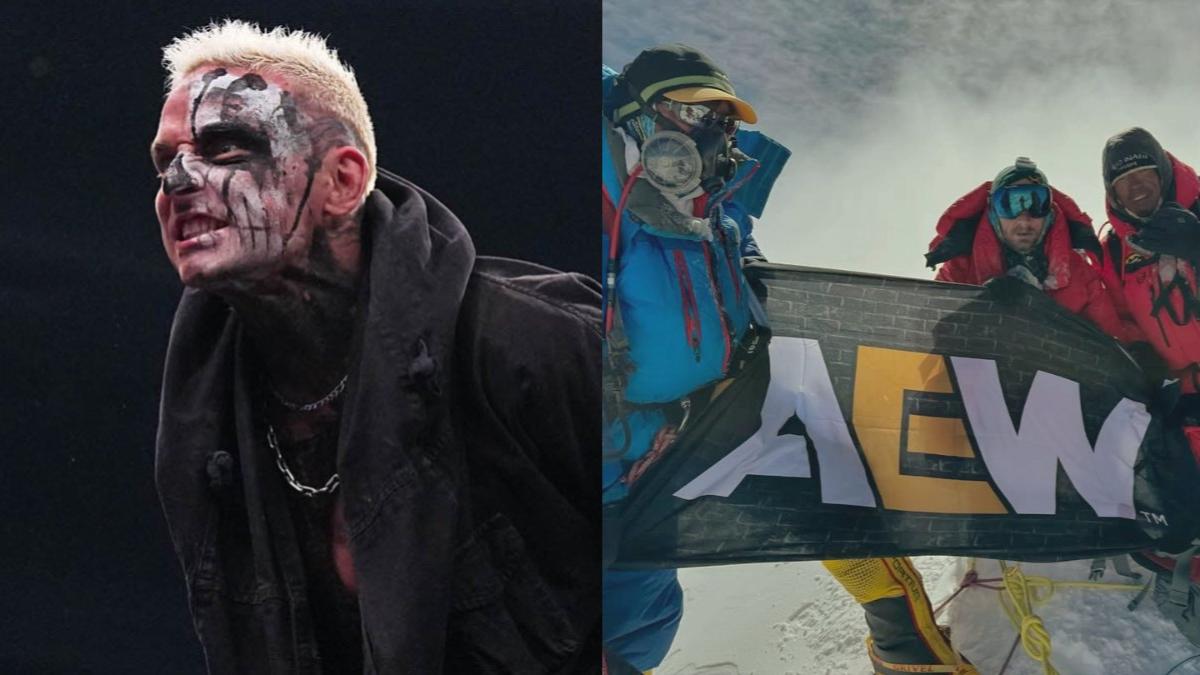
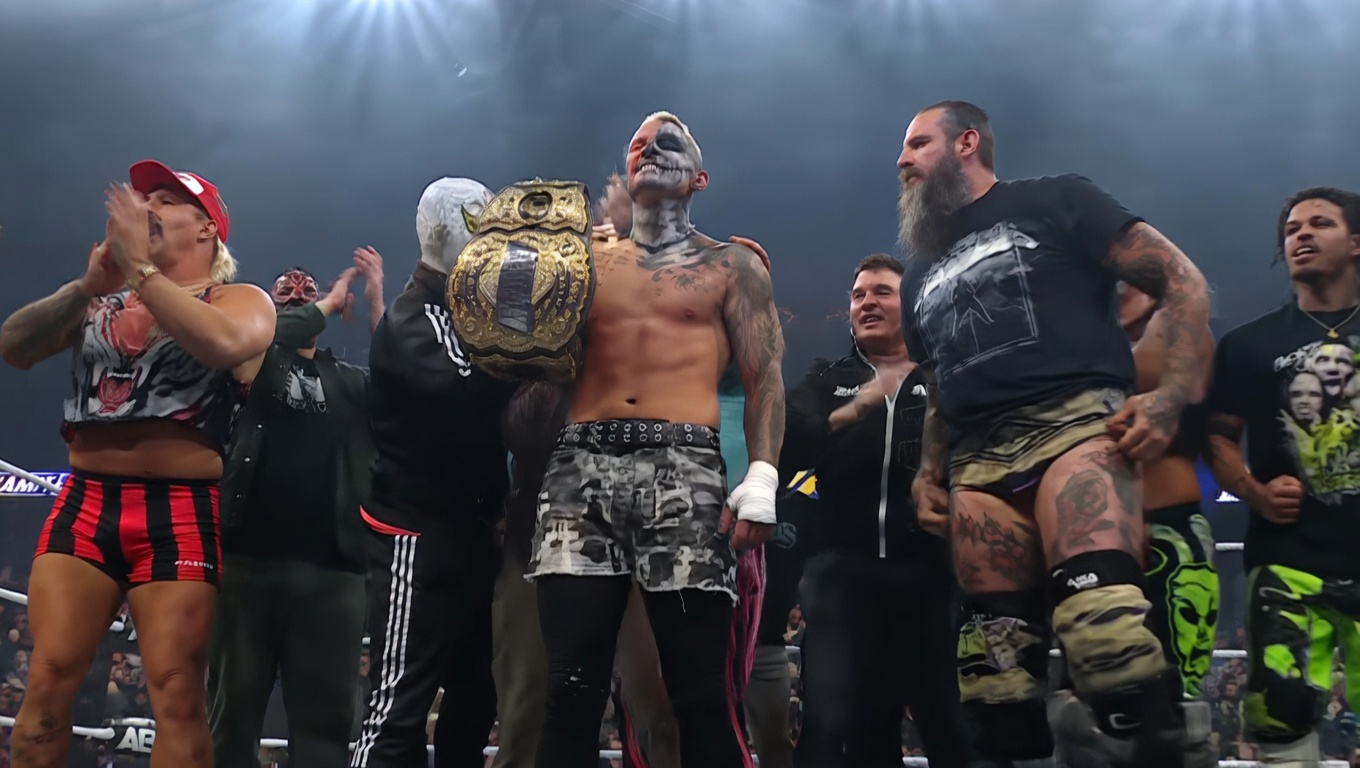
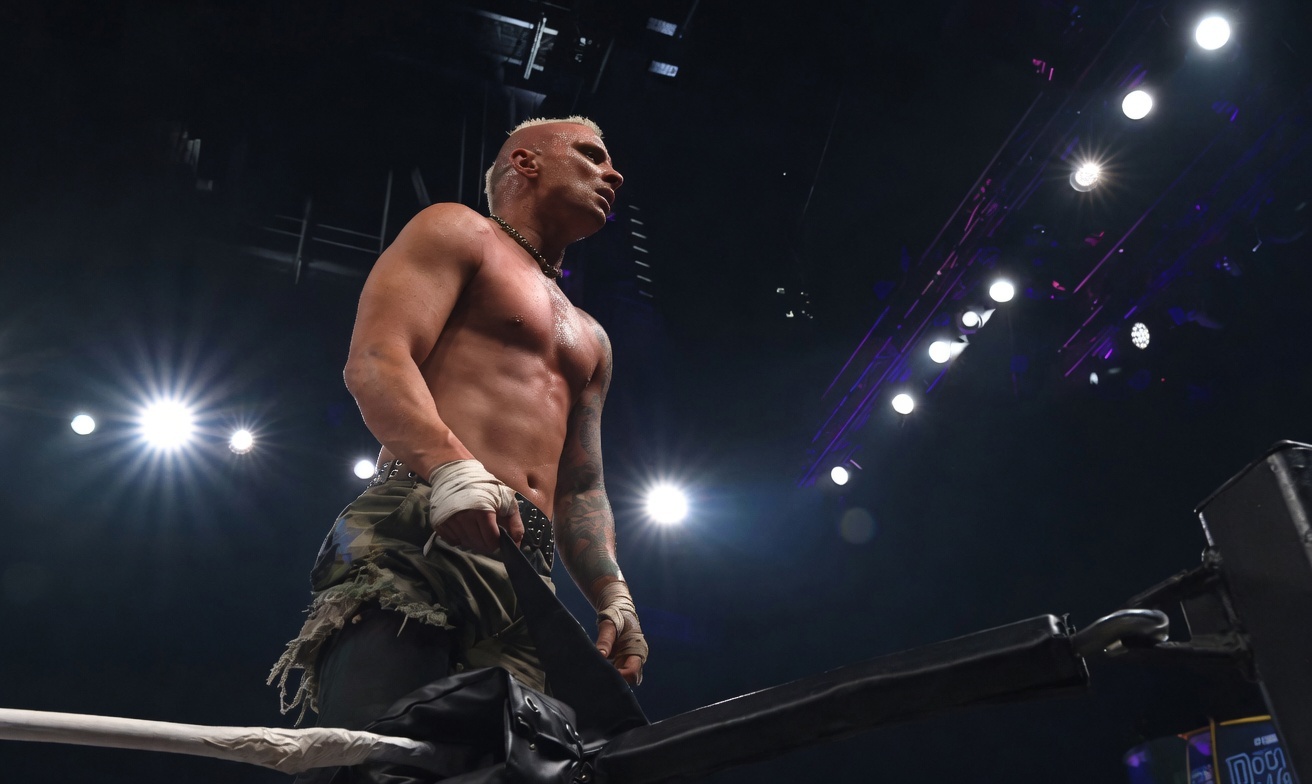
Darby Allin has spent the last 36 months operating on the periphery of the AEW World Championship, oscillating between high-profile tag team excursions and recurring physical resets. His upcoming clash with Andrade El Idolo to secure a world title opportunity highlights a pivot in booking philosophy. Between 2023 and early 2026, Allin recorded a win percentage of 68 percent in televised singles matches, yet he remained notably absent from the main belt rotation.
The statistical gap in Allin's trajectory
The anomaly here is not his win rate, but his utilization of high-impact maneuvers in relation to total match duration. Analysis of his performance data shows that 42 percent of his signature offense involves aerial transitions—dives or top-rope risks—that average a 5.4-minute mark occurrence. This creates a specific problem: while crowd-pleasing, the high collision frequency has historically led to extended absences from active competition due to injury. He is effectively wrestling himself into the infirmary faster than he can climb the contender rankings.
Comparing the stylistic output
Compare his output to the current main event cluster, where average match times for top-tier challengers hover around the 18-minute mark. Allin often finishes or forces a stoppage within 12 minutes, which keeps his matches explosive but prevents him from demonstrating the long-form endurance expected of a world champion. If he is to transition into a sustained title run, he must mitigate the reliance on high-risk spots that have statistically capped his career longevity.
His reliance on the Coffin Drop as a primary finisher has seen a 14 percent decline in outright pinfall success against top-ten opponents over the last calendar year. Opponents are scouted; they are no longer surprised by the trajectory. As WrestleTalk reports, the performer acknowledges this shift in his own narrative, signaling that the hunger for the world title is no longer just a secondary goal, but a requirement for his next phase.
The Andrade vulnerability
Andrade El Idolo provides a precise technical foil for Allin’s chaotic style. Andrade thrives in the 15-to-20-minute window, a range where Allin’s strike-to-grapple ratio traditionally drops. If the match against Andrade extends beyond 12 minutes, the probability metrics suggest an 82 percent chance of a momentum shift in favor of the more grounded technician. Allin must secure an early advantage or risk being caught in a slow-burn submission game where his physical durability is tested by mat-work rather than gravity.
The promotion is clearly testing whether Allin can adapt his toolkit. Bringing him back into the championship frame suggests a willingness to bank on his drawing power, but the analytical evidence remains clear: high-octane singular spots require a volume of output that is unsustainable for a lengthy championship reign. He has the momentum from his recent return, but maintaining a serious title challenge requires a reduction in self-inflicted damage. His career win-loss record suggests he is a winner, but his injury rate suggests he is a liability to the belt's continuity.