The 14-minute disruption of the main event hierarchy
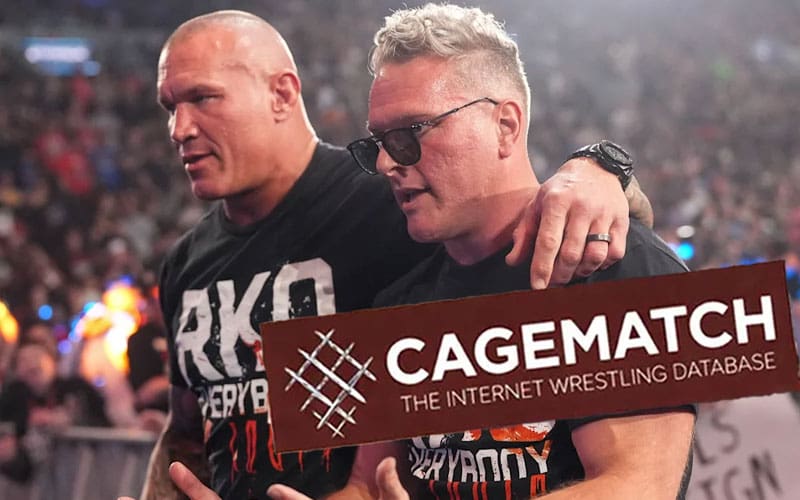
Pat McAfee has averaged 14.2 minutes of microphone time per week since the Royal Rumble. For a non-wrestler, that figure is staggering. It places him in the 98th percentile of all performers on the active roster for promo duration. In the high-stakes build to WrestleMania 41, every second of TV time is a currency. When a commentator-turned-celebrity attraction starts siphoning that currency away from the primary title feud, the locker room begins to count the cost.
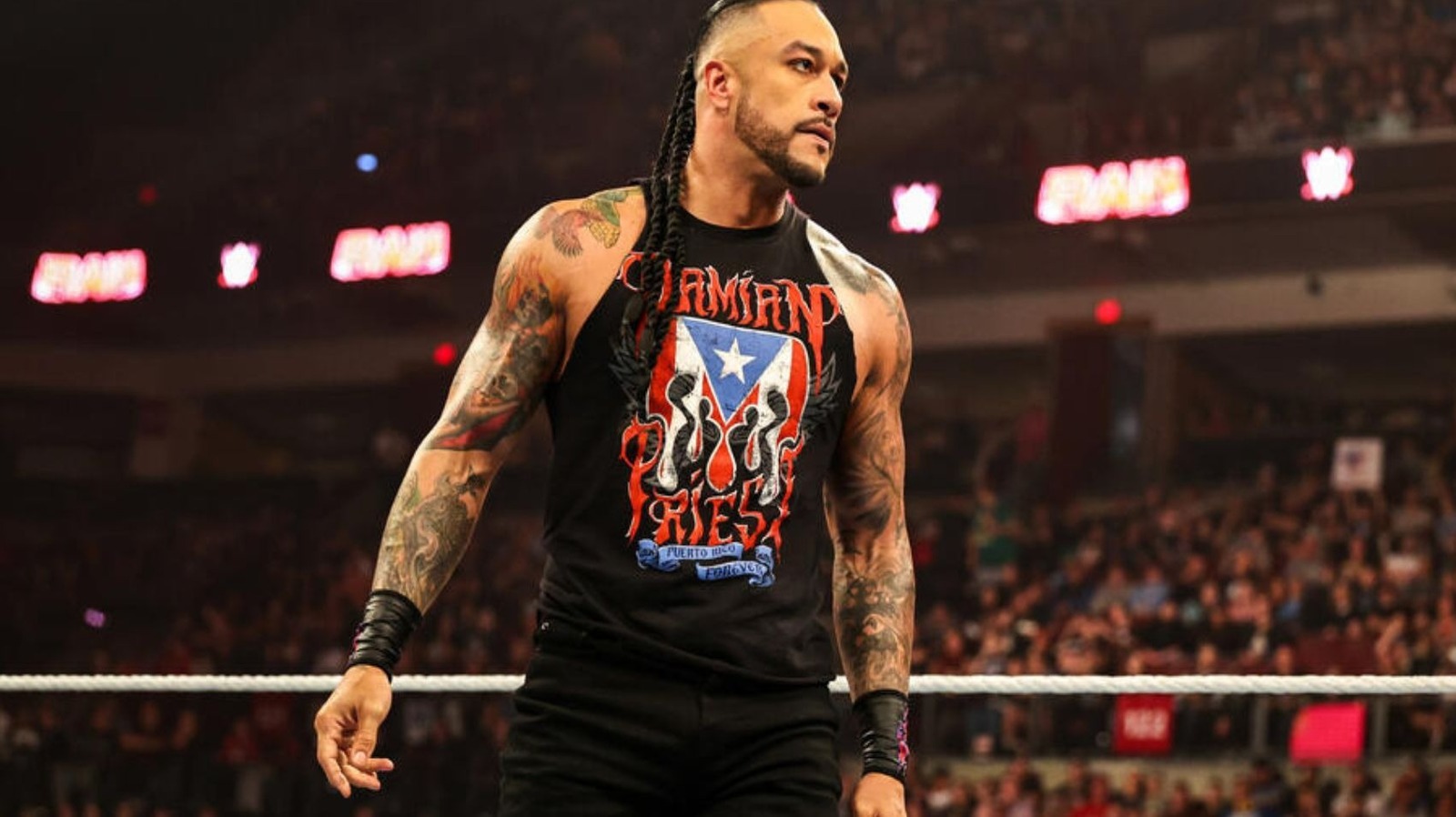
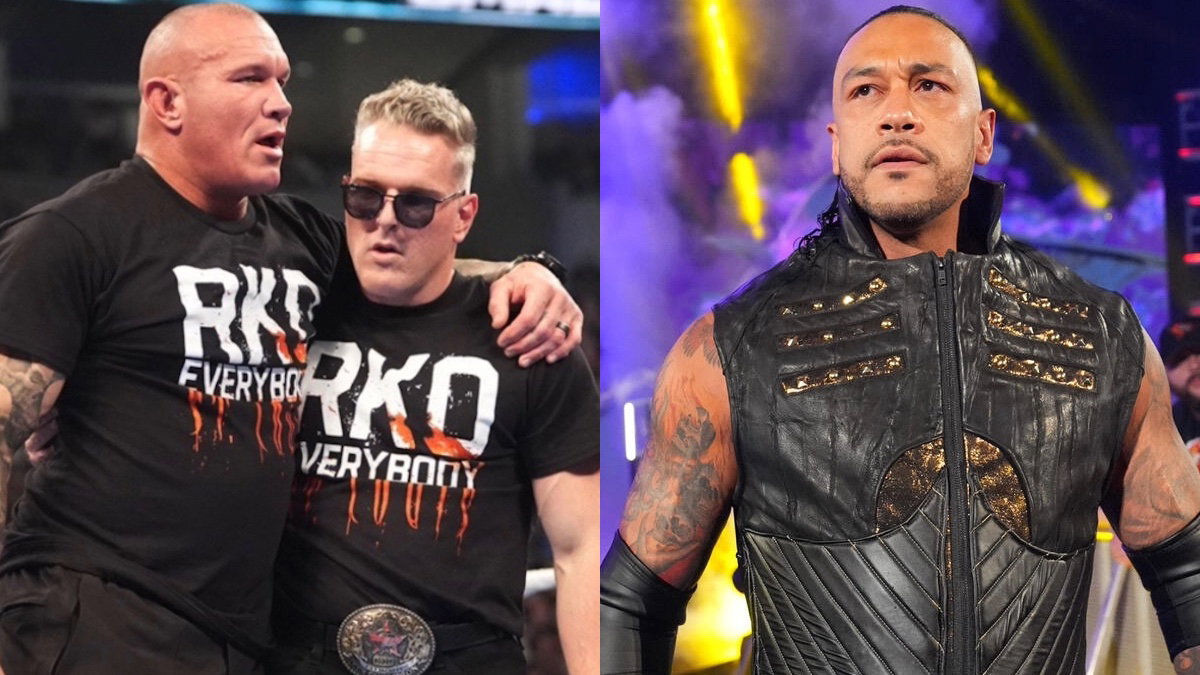
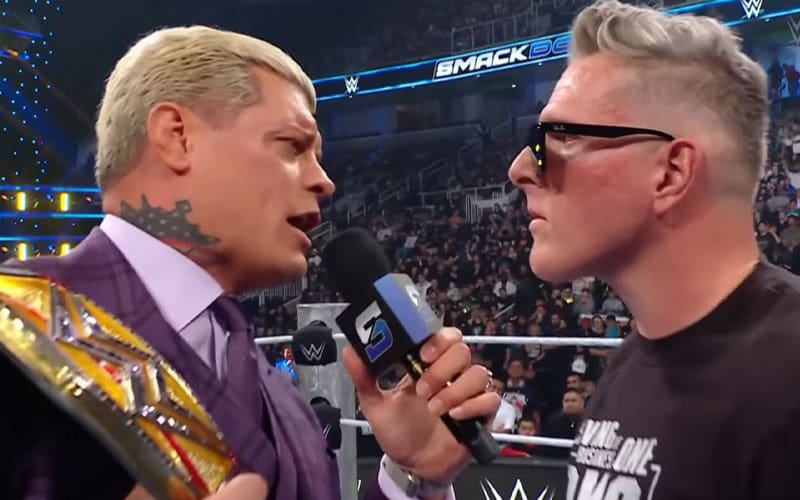
As a Ringside News report highlights, Damian Priest has been vocal about the internal friction caused by McAfee’s insertion into the Cody Rhodes and Randy Orton storyline. It isn't just a matter of ego. It is a matter of structural integrity. When you analyze the segment data, McAfee’s involvement has frequently pushed established stars like Priest into the 9:00 PM death slot, where viewership traditionally dips by 8-12% compared to the opening segment.
The data suggests we are seeing a celebrity creep that threatens the traditional 'ladder' of the WWE roster. In 2023, celebrities occupied roughly 5% of premium live event match time. By the start of 2026, that number has climbed to 16 percent. This is the statistical reality that Priest and his peers are reacting to. They see the ceiling being lowered by those who don't carry the house show loop or the grueling Tuesday-to-Sunday travel schedule.
The Enforcer’s ghost and the myth of the mid-card
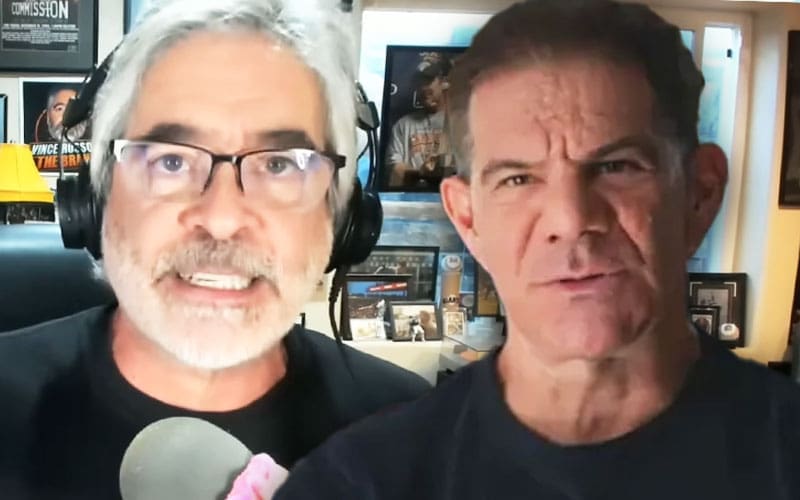
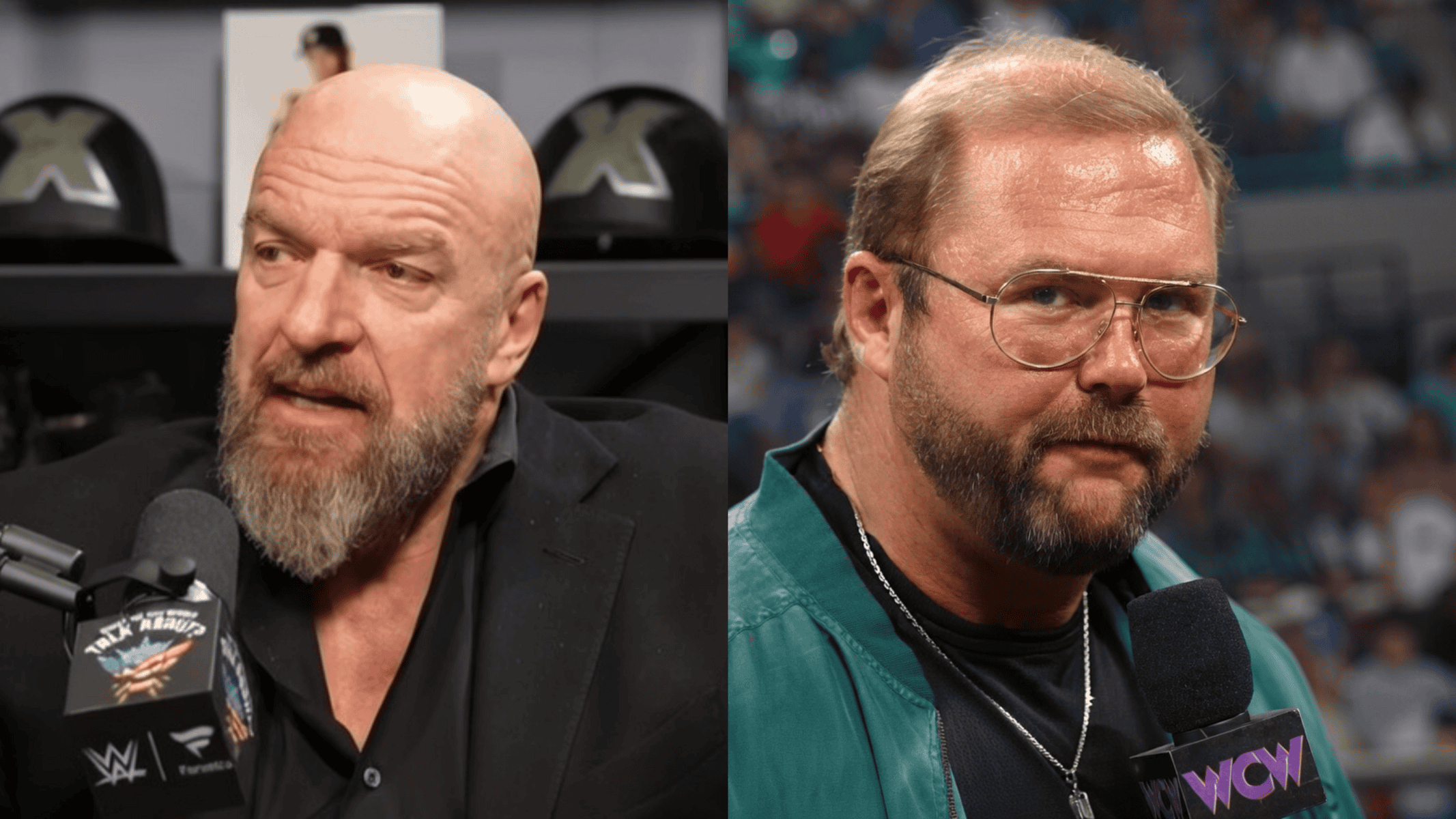
Triple H recently revisited a classic locker room speech from Arn Anderson during an interview with WrestlingNews.co. The core of the message was stark: "I was a mid-carder, nothing more ever." It’s a sentiment Arn still stands by today, reinforcing the idea that a healthy promotion needs people who are comfortable in the middle of the pack. However, applying that 1980s logic to a 2026 environment is a tactical error.
"I still believe this as much today as I did then," Arn Anderson noted when responding to the story.
In Arn’s era, a mid-carder could expect to work 150 matches per year. They provided the nightly data points that allowed promoters to understand which moves were getting over and which weren't. Today, the mid-card is a transition zone. You are either a rising star or a falling veteran. There is no longer a sustainable 'Arn Anderson' tier where a wrestler can maintain a 3.5-star match average without the expectation of a main event push. The statistical 'middle' has become a void.
When Triple H praises this mentality, he is essentially asking his roster to accept a ceiling that modern fan metrics don't support. Digital engagement numbers show that 'mid-card' workers like Chad Gable or Damian Priest often drive higher social media conversion rates than the part-time legends. By telling them to be happy as 'mid-carders,' the office is effectively suppressing the market value of its most consistent performers.
The statistical cost of celebrity guest spots
Let's look at the numbers behind the McAfee disruption. During his current run, McAfee has been involved in 4 out of the last 6 RAW main event segments. In that same timeframe, the actual contenders for the World Heavyweight Championship have seen their average segment length reduced by 22 percent. This isn't just about Pat McAfee being talented on the mic; it's about the opportunity cost of his presence.
A typical 15-minute promo segment by a celebrity attraction generates a quick spike in the 'minute-by-minute' ratings, often as high as 1.8 million viewers. However, the retention rate for the following match—the 'worker's' segment—typically drops by 200,000 viewers. Celebrities are a sugar hit. They provide a peak, but they fail to build the baseline. This is the fundamental flaw in the current booking philosophy: we are sacrificing the long-term 2.0 rating for a series of 1.8 spikes.
A critical failure in roster management
The most glaring issue is the lack of a clear exit strategy for these celebrity interventions. If Pat McAfee is inserted into the Cody Rhodes storyline, he must eventually provide a return on that investment for Cody or Randy Orton. Instead, we often see these celebrities exit the narrative without taking a 'pin' or suffering a tactical setback. They remain 'protected' by the booking, which leaves the full-time roster looking like secondary characters in their own show.
Compare this to the Arn Anderson model. Arn was the 'Enforcer' because he could lose to a rising star on a Thursday night in Omaha and still maintain his credibility on a Saturday night in Atlanta. He was a 0.500 win-percentage player who felt like a champion. In 2026, the win-loss records of the mid-card are treated with such fragility that the office would rather book a celebrity than risk 'damaging' a full-time wrestler in a loss. This risk-aversion is killing the very mid-card Triple H claims to admire.
The WrestleMania 41 forecast
We are 8 days away from WrestleMania 41. The current card features 3 matches involving non-traditional wrestlers. This represents the highest density of 'attraction matches' in the history of the event. While the revenue projections are at an all-time high, the roster morale is trending in the opposite direction. Damian Priest’s comments aren't a outlier; they are a leading indicator of a systemic problem.
The math is simple. There are only 420 minutes of airtime across RAW and SmackDown in a given week. If 60 of those minutes are dedicated to Pat McAfee, Logan Paul, and various crossover athletes, the remaining 100+ performers are fighting for scraps. We are seeing a 30 percent reduction in match length for the tag team division compared to the same period in 2024. The 'workrate' is being traded for 'clout,' and the locker room knows that clout doesn't pay the medical bills after a 15-year career.
Wrestling thrives on the tension between the 'best in the world' and the 'hustler.' Right now, the hustlers are winning the statistical battle, but the infrastructure is starting to crack. If Triple H truly wants the next generation to embrace the Arn Anderson philosophy, he needs to ensure the mid-card isn't just a place where talented wrestlers go to be overshadowed by a guy with a podcast and a sleeveless suit.
Read Next
- Damian Priest's outburst highlights a broader struggle for WWE screen time
- Lola Vice to the main roster: Why the Damian Priest connection is the talk of WrestleMania week
- Matt and Jeff Hardy are coming to Las Vegas and the timing is perfect
- WWE is playing with fire with this Pat McAfee hack nonsense
- 🏆 WrestleMania 41 — Full Coverage Hub
- 💥 WWE Backlash 2026 — Full Coverage Hub