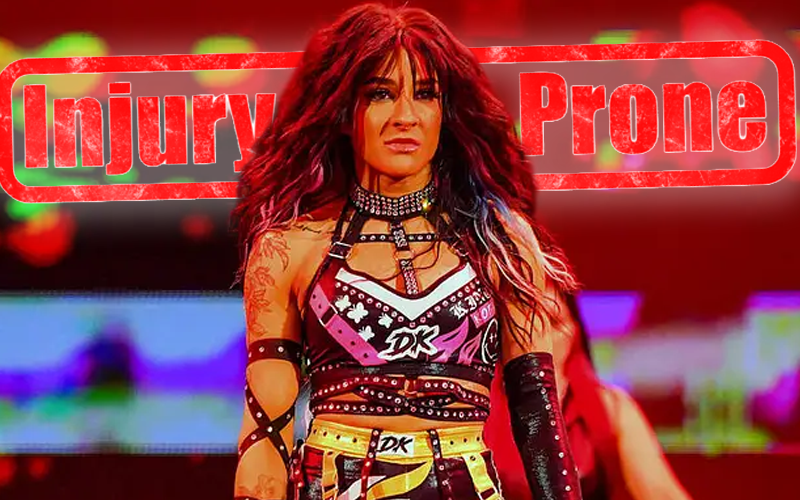
The recurring cost of an aggressive in-ring style
Dakota Kai recently addressed the perceptions surrounding her physical availability. For a performer known for high-velocity strikes and a frantic offensive pace, the narrative of being injury-prone arrived as a secondary consequence of her work rate. She acknowledges the fan sentiment, noting that the nature of professional wrestling renders total durability an statistical anomaly rather than an expectation.
The physical toll on the roster is a constant variable in booking. When a talent moves with the speed and kinetic energy required for the modern style, the risk of structural damage increases. This is not an indictment of safety, but a direct outcome of the physical demands placed on the body during live broadcasts. Wrestlers operating at this level are essentially engaging in high-impact collision work several times a week.
Analyzing the timeline of attrition
In the world of sports medicine, the conversation around performers like Kai is nuanced. Repeated recoveries from ligament or joint issues often leave micro-trauma behind even after the athlete is cleared for activity. History shows this pattern is common in the industry, where returning to 100% capacity is a difficult goal to hit, especially when the travel schedule rarely allows for full athletic periodization.
As Ringside News detailed, Kai has been candid about navigating the skepticism regarding her health. Fans expect reliability, but these performers exist in an environment where a single awkward landing or a miscalculated spot can reset a recovery timeline by months. It is an industry wide problem, yet it is often localized onto specific individuals based on their prior medical history.
Strategic implications for roster management
Management faces a dilemma when a performer hits a cycle of repeated setbacks. They have to weigh potential upside against the reality of missed television dates. While the talent maintains their desire to work, the front office must determine if the current style is sustainable over a multi-year run.
Competitors on the current roster are watching how this plays out. Many are opting to adjust their movesets to prolong careers, moving away from high-risk aerial maneuvers toward more grounded technical work. It is a necessary shift for anyone looking to avoid the trainer's room. For those who refuse to change, the 15-20% drop in consistent availability reflects the harsh mathematics of the ring.
The historical context of glass cannons
Industry history is littered with stars who played high-risk styles at the expense of their long-term health. We have seen names like Daniel Bryan and Edge spend significant time away, forcing the industry to adapt. The current era is more protective, yet the culture of working through pain remains deeply embedded. It creates a tension that is rarely resolved until an injury becomes impossible to ignore.
Most medical professionals within the industry suggest that the key isn't just rehabilitation, but a fundamental change in how a performer approaches their craft. When a wrestler becomes known as injury-prone, they are often placed in shorter, more protected segments. This strategy is meant to extend their career, yet it often limits the ceiling of their narrative momentum.
The industry needs to move past the blame game. Attributing injuries solely to a performer's constitution ignores the systemic reality of the schedule. If you look at the workload of a main-event level talent, the wonder is not that they get injured, but that they remain active for as long as they do. It is a grueling, unforgiving business that punishes even the smallest errors.
Looking ahead, the focus for talents like Kai will be on maximizing impact during their windows of health. The expectation of constant, weekly performances is rarely compatible with the reality of professional athletics. Eventually, the booking process must account for these gaps, or the quality of product will suffer as talent cycles through replacement-level alternatives.
Final Assessment
The perception of being injury-prone is often a result of bad luck compounded by a demanding, high-impact career path. Until the industry changes its frequency of events or intensity of bumps, this cycle will continue for many of the top stars on the current roster. Success in the modern era is defined as much by longevity as it is by performance quality.