Measuring the frequency of anti-doping scrutiny
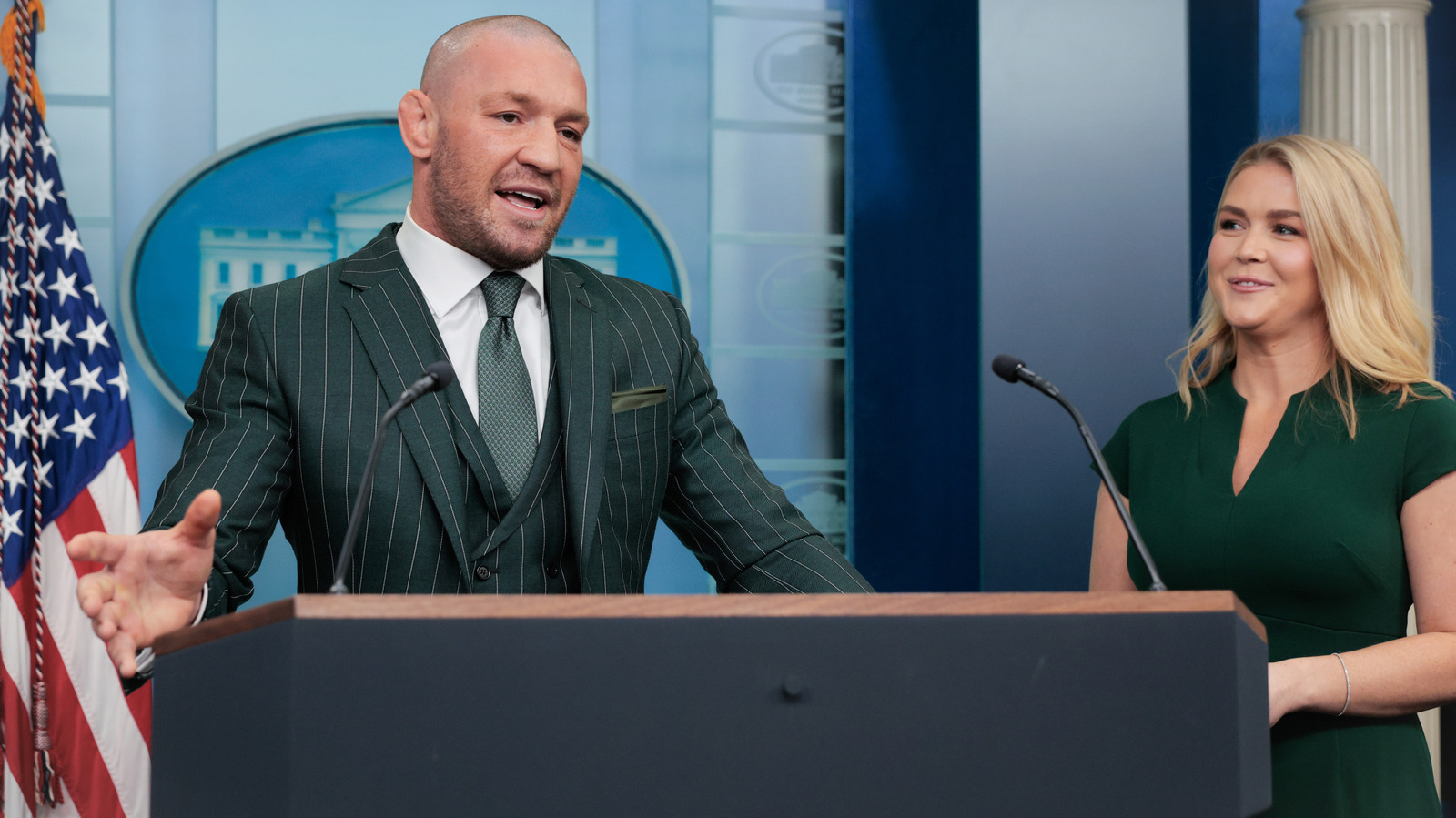
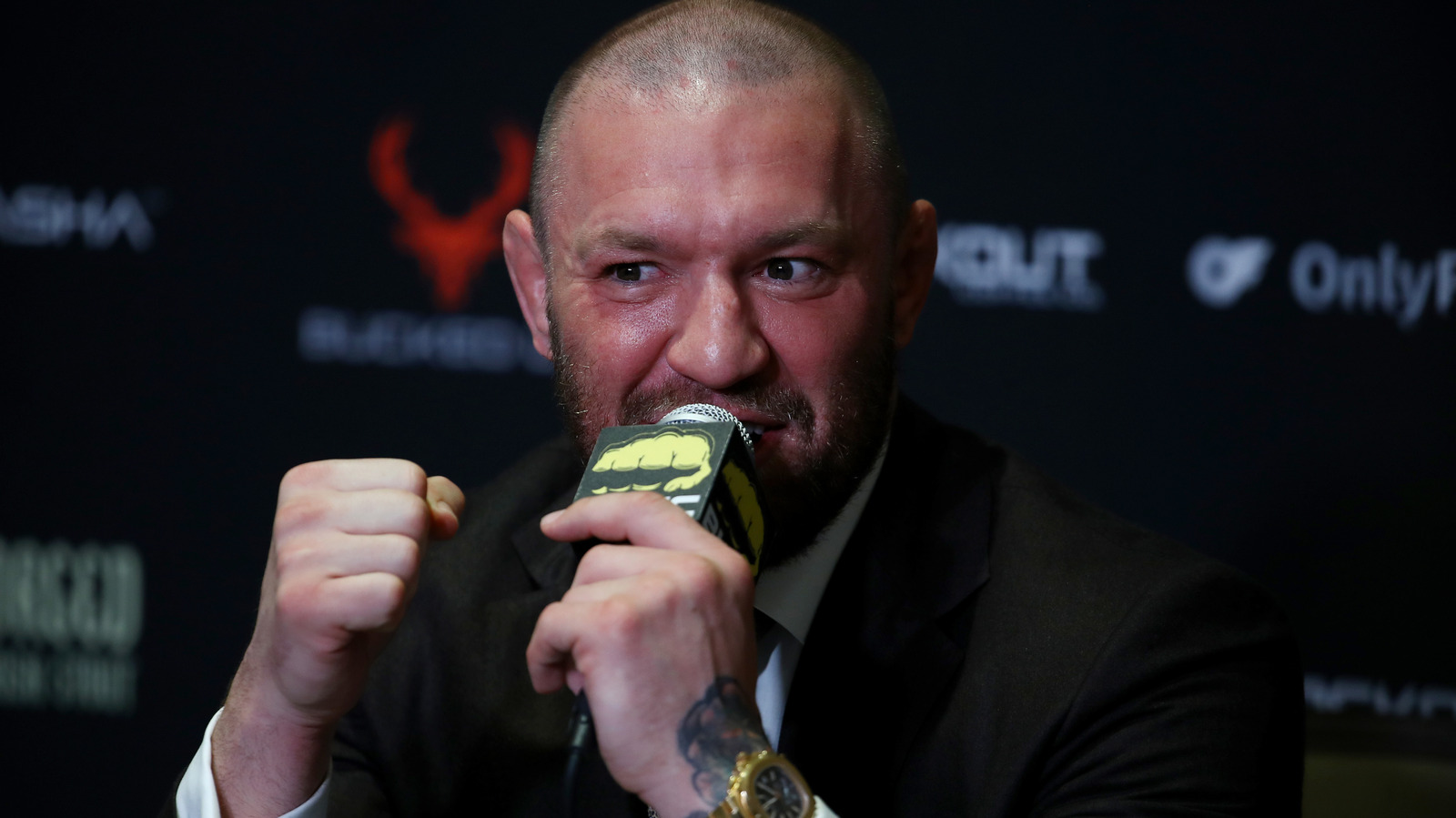
Conor McGregor currently sits at the top of the UFC anti-doping testing volume rankings for 2026. This data point offers a clear timeline regarding his return status and the administrative rigors required to compete again. While the UFC anti-doping program remains active, the high frequency of these tests implies a deliberate oversight strategy by the promotion.
Quantifying the institutional focus
The sheer number of tests administered to a single athlete stands out against the broader roster baseline. Monitoring and testing patterns fluctuate, but this volume sets an outlier trend for the first quarter of the year. It forces us to ask whether the testing burden is purely procedural or if it reflects an enhanced monitoring cycle intended to mitigate regulatory risks following his suspension.
The crossover between combat sports and state training
The promotion is also leveraging its brand presence outside the Octagon. Recent footage highlighted UFC fighters, specifically Justin Gaethje and Jorge Masvidal, instructing FBI agents at the Quantico academy. This event serves as a PR vector for the brand, distancing its image from the controversy of failed tests by aligning with federal law enforcement.
Understanding the optics of the Quantico event
By placing high-profile fighters in a tactical environment like the FBI Academy, the promotion achieves two goals. First, it reinforces the technical competency of its roster through the lens of state-sanctioned professionals. Second, the visual record of the event creates a narrative of discipline that counters the skepticism often surrounding the testing protocols previously noted in the reports on UFC training events.
Evaluating the regulatory tension
A data-driven view forces us to acknowledge a contradiction. The promotion focuses on the extreme testing frequency of its largest star, yet simultaneously promotes the combative expertise of its rank-and-file fighters in institutional settings. If we look at the 1st quarter of 2026 alone, the contrast between the intense scrutiny of McGregor and the public relations exercises at Quantico suggests a bifurcated strategy.
The effort to professionalize the public perception of the firm is evident. Still, the reality of the anti-doping program's requirements remains the most significant metric for the sport's health. Without a consistent, transparent testing output, the promotional gloss of training FBI agents carries far less weight than the actual test count tallied against the fighters.