The seed is planted
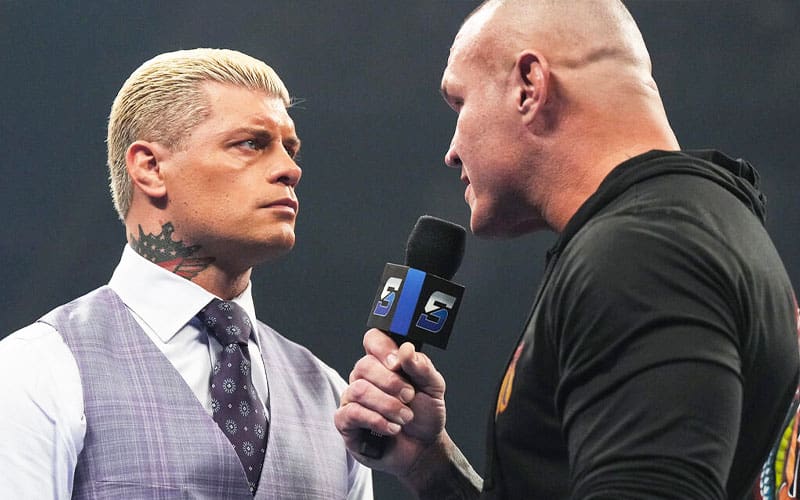
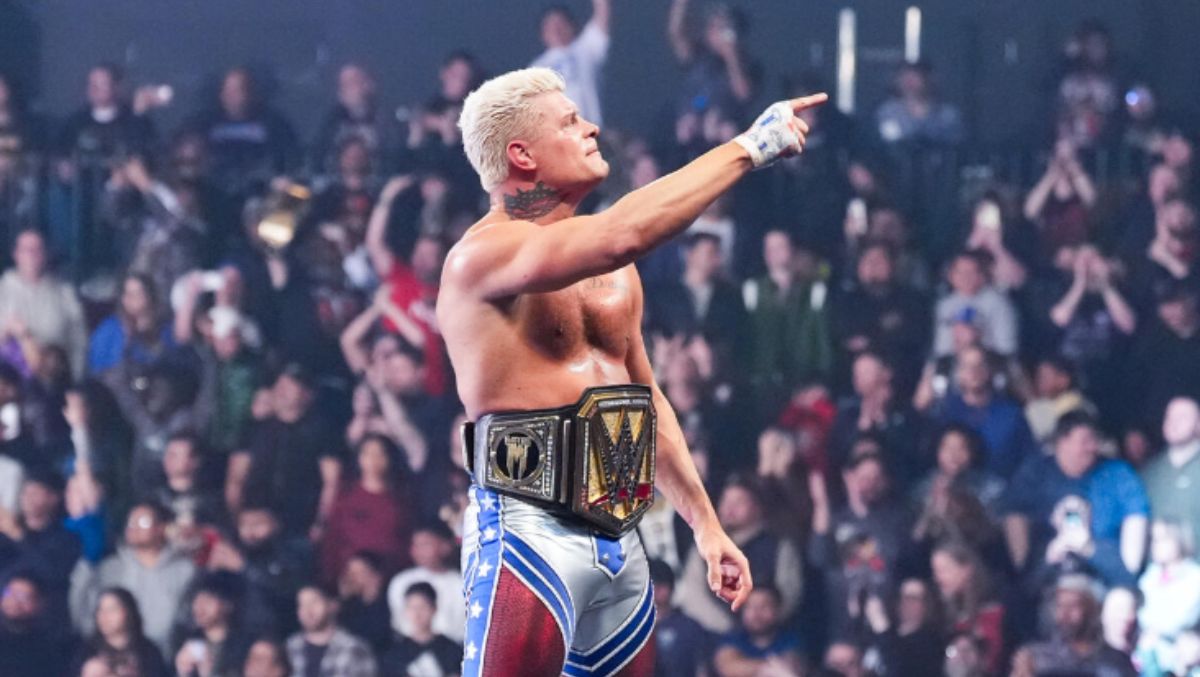
Cody Rhodes knows exactly what he is doing. When the Undisputed WWE Champion drops a name in an interview, it is never an accident. It is a trial balloon. A carefully calculated test of the atmosphere.
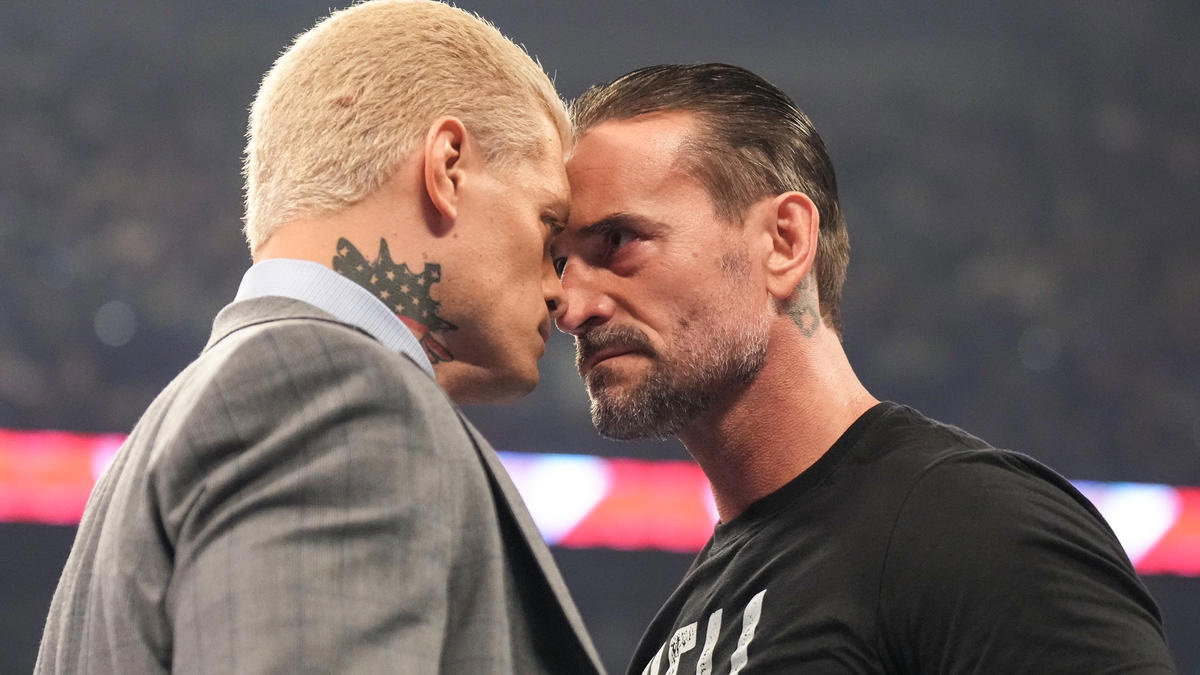
He understands the mechanics of modern wrestling promotion better than almost anyone else in the industry. Rhodes named CM Punk as his dream opponent during a recent interview. He couched it in the usual wrestler double-speak.
"I don't know if he'd want that, I don't even know if I'd want it."
It is the classic promotional hedge. You publicly deny the very thing you are actively trying to build.
With WrestleMania 41 now in the rearview mirror and WWE Backlash looming on May 9, the board is being reset. Rhodes successfully navigated the Bloodline gauntlet. He defended his title in Las Vegas. But the post-WrestleMania hangover is a very real phenomenon.
A champion needs a chaser. A hero needs a foil who can actually match him on the microphone. Punk is that foil.
Every great title reign is defined not by the champion, but by the challengers. Steve Austin had Mr. McMahon. John Cena had Edge. Rhodes has spent so much time battling the Anoa'i family tree that his character feels inextricably linked to them. Moving to Punk represents a hard pivot into completely different psychological territory.
The AEW ghosts in the WWE machine
You cannot discuss a Rhodes and Punk program without addressing the massive, undeniable elephant in the room. Their history is tied to the founding and fracturing of All Elite Wrestling.
It is the subtext that will inform every single promo they cut. Rhodes was the executive vice president who helped build the alternative. He took the gamble. He painted his own canvas.
Punk was the prodigal son who arrived later. He dominated the merchandise sales and eventually imploded the locker room. They never had a singles match in AEW. They barely even crossed paths on screen.
But the ideological clash was always there, simmering beneath the surface. Rhodes represents the polished, corporate ideal of a top star. He wears the bespoke suits. He kisses the babies. He does the early morning media hits with a practiced, politician's smile.
Punk is the gritty, anti-establishment grenade. Even when he is playing the babyface, there is an undercurrent of hostility. He is an agent of chaos who resents the very corporate machine he benefits from.
Putting them in the ring together in 2026 isn't just a wrestling match. It is a referendum on the last five years of the professional wrestling industry.
The tactical matchup: In-ring psychology
Let's look at how this actually plays out between the ropes. Rhodes has perfected a very specific main event style. It relies heavily on emotional selling, dramatic comebacks, and the Cross Rhodes as a sudden equalizer.
He is the master of the modern epic. He builds matches to a fever pitch with near-falls and dramatic pauses. Punk, meanwhile, has visibly slowed down.
His body has betrayed him multiple times since his return to the sport. He compensates for the loss of explosive speed with masterful pacing. He works a grounded, limb-targeting style.
He uses submissions to drain the clock and grind down the opponent. The fascinating clash here is pacing. Rhodes wants to run the ropes and hit suicide dives. Punk wants to grind him down into the mat.
For this match to work, Punk has to play the antagonist. He needs to ground the champion, mock the pageantry, and force Rhodes into a dirty, gritty fight.
I worry about the physical toll this match would take on Punk. Rhodes is a heavy bumper. He works at a high velocity. If Punk tries to match that pace, we risk another torn triceps or a blown knee.
They have to work a Memphis-style brawl, not a modern athletic sprint. WWE agents must restrict the high spots and focus entirely on the psychological warfare.
The promo battles we deserve
The physical match almost takes a back seat to what will happen on the microphone. This is where the money is. This is why you book the program.
Rhodes speaks in grand, sweeping declarations. He talks about his father, his legacy, and his duty to the fans. It is incredibly effective, but it can occasionally border on the melodramatic.
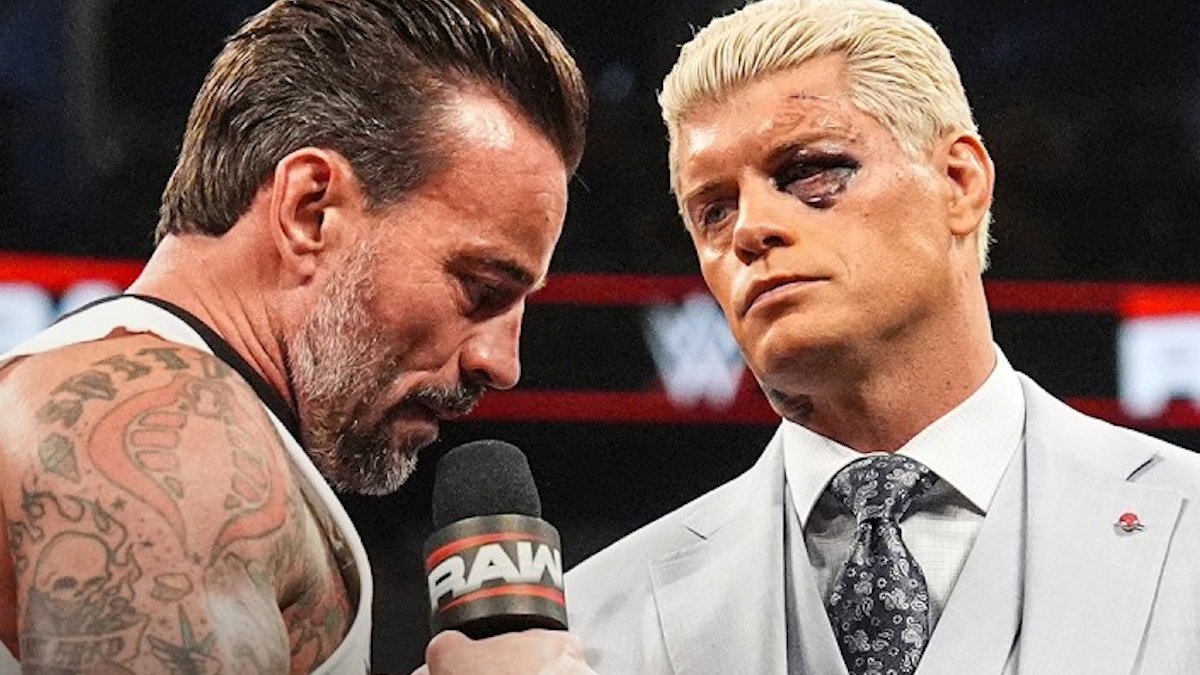
He needs someone to puncture that balloon. Punk is a sniper on the microphone. He does not yell. He speaks quietly, precisely, and twists the knife.
Imagine the segment on Monday Night Raw. Rhodes stands in the center of the ring, wearing a three-piece suit, talking about his responsibilities as the face of the company.
Punk interrupts. He doesn't sprint to the ring. He walks slowly, sits cross-legged on the stage, and proceeds to deconstruct every single thing Rhodes just said.
Punk will remind everyone that Rhodes left WWE because he couldn't get over as Stardust. He will point out that Rhodes had to build a rival company just to make WWE want him back.
And Rhodes will fire back that he actually finished the job, while Punk walked away when things got hard. The personal animosity is baked into the script.
The inevitable heel turn
Here is the flaw in the current alignment. They are both massive babyfaces. Babyface versus babyface matches usually suck.
The dynamic is inherently flawed. The crowd eventually picks a side, and the other guy looks like a fool. We saw it at WrestleMania VI with Hulk Hogan and The Ultimate Warrior.
We saw it with The Rock and Steve Austin. Somebody has to be the bad guy. Somebody has to control the pace and generate the heat.
Rhodes will not turn. He is too valuable as the smiling face of the company. The merchandise numbers are too high. The Make-A-Wish appearances are too frequent.
He is locked into this role until the wheels fall off. That leaves Punk. And turning Punk heel is the easiest booking decision in the world.
You just let him be his natural self. You let the simmering resentment bubble to the surface. You let him point out that he is the real draw, that Rhodes is just a corporate creation.
Punk excels when he is paranoid and aggrieved. Give him a live microphone and let him tear down the American Nightmare mythos. The promos will be legendary.
A major misstep waiting to happen
We have to acknowledge WWE's tendency to bungle these massive programs. There is a very real danger here.
WWE has a bad habit of rushing these dream matches or, conversely, dragging them out until the heat is gone. The Bloodline saga went on about a year too long.
The danger here is overexposure. If they start trading wins on television, the magic is instantly gone. Furthermore, the creative team often insists on scripting every word.
If they try to hand Punk and Rhodes a bullet-point script written by a former soap opera writer, it will bomb. These two need completely unscripted freedom. If WWE management tries to micro-manage this, it will fall flat.
They need the freedom to cross the line. There is also the very real possibility that the match simply doesn't deliver.
If they try to force a 45-minute epic, it will expose Punk's current physical limitations. They need to keep it under 20 minutes. Keep it violent. Keep it focused.
Booking the build to SummerSlam
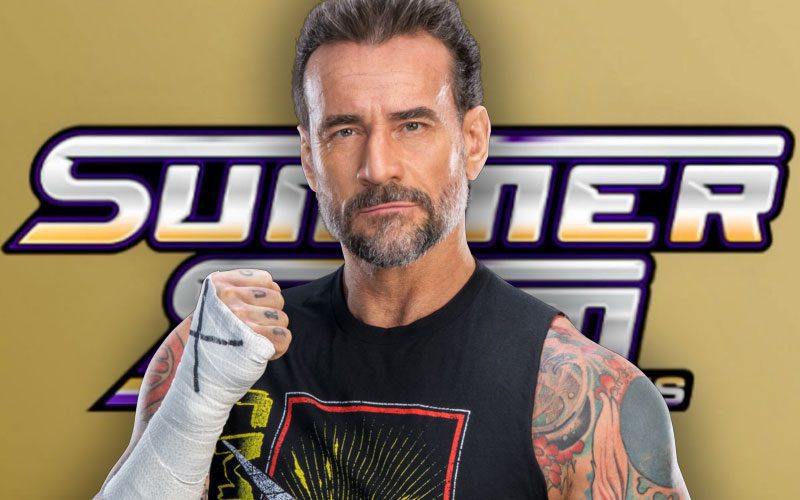
We are sitting here in early May. Backlash is just days away. The summer stretches out before us. This is not a match you waste on a minor premium live event.
You build this for SummerSlam. You start the interactions now. Subtle background glances. Passive-aggressive comments in backstage segments. You let the tension build naturally over the course of three months.
Let Rhodes defend his title against mid-tier challengers. Let Punk rack up some impressive submission victories. Keep them separated.
Do not have them wrestle on television. Keep the physical contact to an absolute minimum.
When they finally touch, it needs to mean something. The first time Punk hits the Go To Sleep on Rhodes, the arena should shake. It needs to feel like a monumental event.
The ripple effect on the roster
We cannot view this potential feud in a vacuum. A program of this magnitude between Rhodes and Punk creates a massive ripple effect across the entire WWE roster.
When the two biggest stars in the company are locked in a blood feud, it eats up television time. It demands main event placement.
This inevitably pushes everyone else down the card. Guys like Seth Rollins, Drew McIntyre, and Gunther will find themselves fighting for scraps in the upper mid-card.
This is the harsh reality of the wrestling business. There is only one top spot. McIntyre has already voiced his frustrations about his positioning.
A prolonged Rhodes-Punk program will only exacerbate those tensions. We could see real-life frustration bleed into the product.
However, it also creates an opportunity. With the main event scene locked down, it forces the creative team to focus on building meaningful non-title feuds.
The prediction
So, where does this leave us? Rhodes has thrown the bait into the water. Punk is too smart, and too competitive, not to take a bite.
I am calling it now. After Rhodes clears his obligatory post-WrestleMania challengers, the pivot will happen. Punk will turn on him.
It will be violent, it will be unprovoked, and it will set the stage for the biggest match of the summer.
They will main event SummerSlam 2026. The build will be electric. The promos will blur the lines of reality. But despite the incredible build, I do not see WWE taking the belt off Rhodes. Not yet.
Rhodes is the franchise. Punk will push him to the absolute limit, drag him through a psychological nightmare, and expose every flaw in his character.
But Rhodes will survive. He will hit three consecutive Cross Rhodes to retain.
It will be messy. It might even be a little sloppy in the ring. But it will be the most captivating professional wrestling program of the year. The countdown has officially started.
Read Next
- Top 10: The Biggest Wrestling Moments of April 2026
- WrestleMania 41 Fallout: The 10 Most Defining Moments from Las Vegas
- Top 10: WWE Power Rankings After the WrestleMania 41 Fallout
- WWE is hunting for the next Gunther in London this week
- 🏆 WrestleMania 41 — Full Coverage Hub
- 💥 WWE Backlash 2026 — Full Coverage Hub
- 💊 CM Punk WWE 2026 — Best in the World