The Ghost in the Main Event
We are exactly 26 days away from WrestleMania 41 in Vegas, and the discourse around Cody Rhodes is getting exhausting.
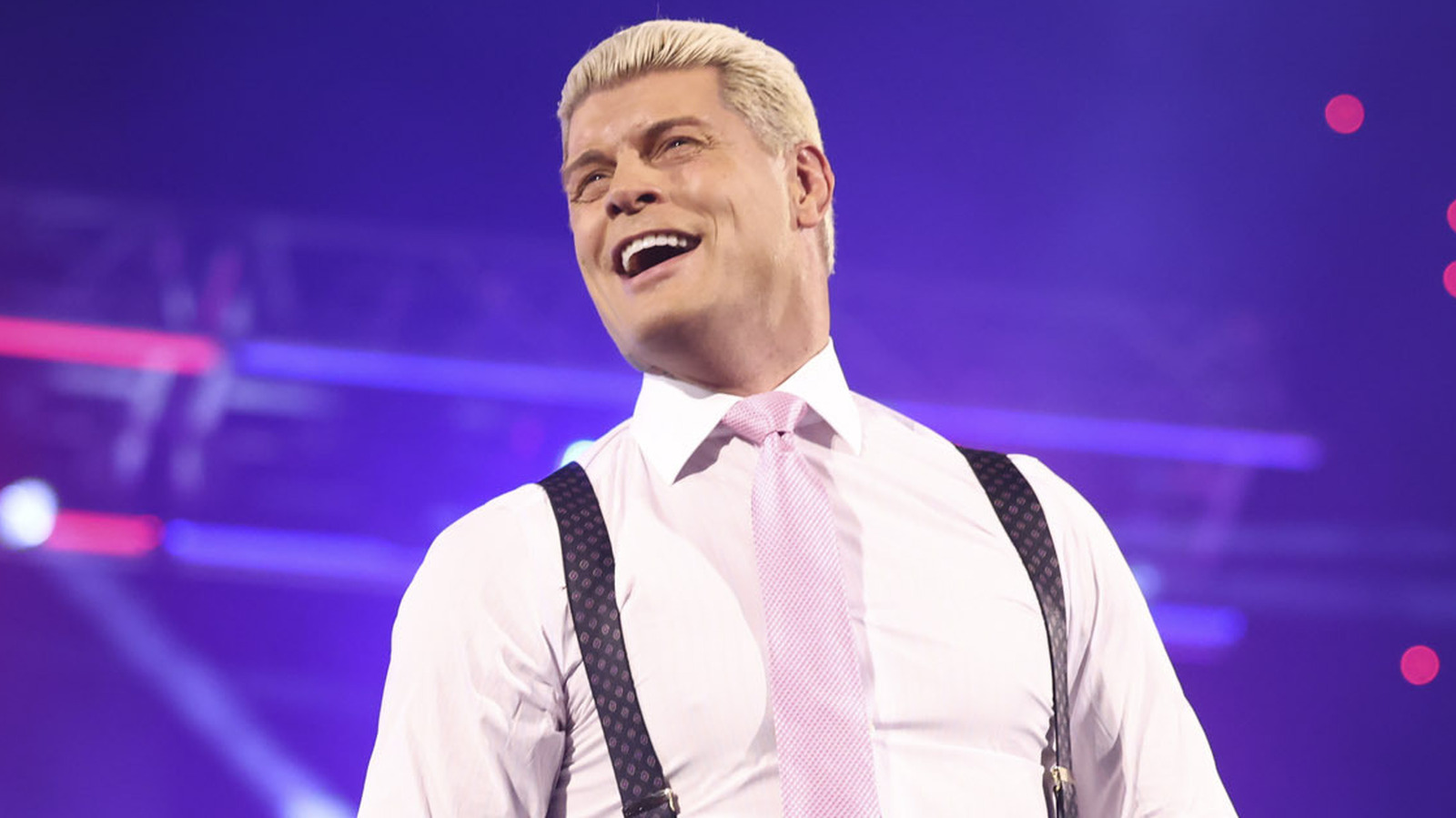
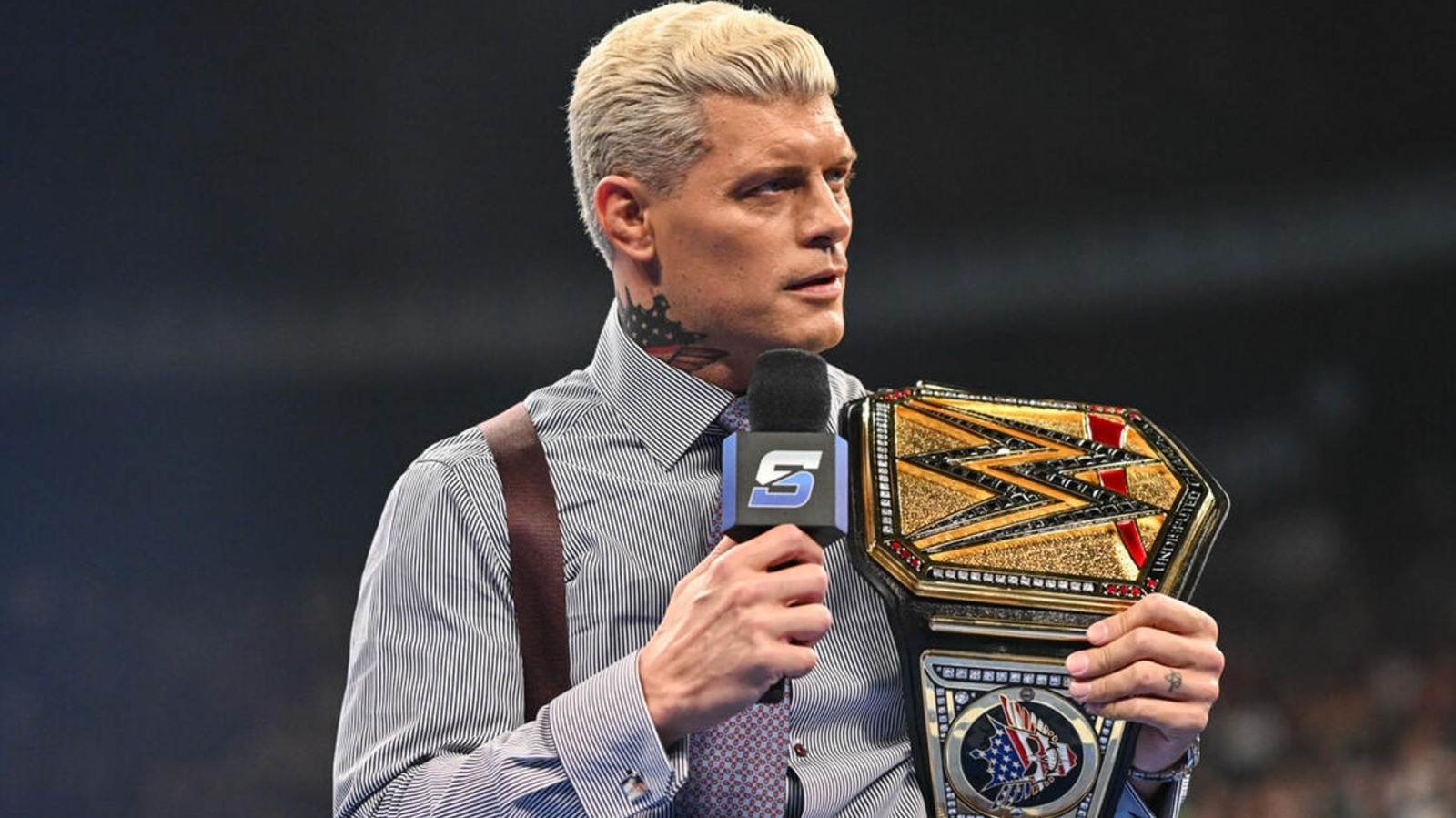
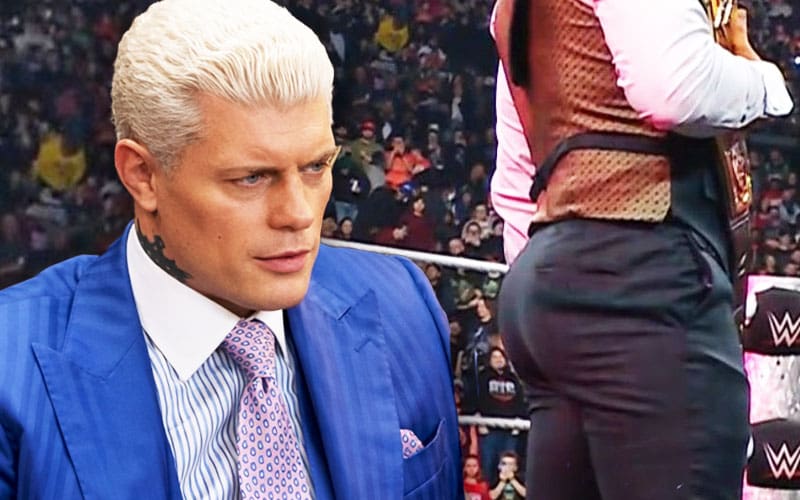
If you check any social media feed right now, you will see a million threads dissecting whether his championship reign has lost its edge. People complain about the tailored suits. They complain about the constant crying. They definitely still complain about that awful neck tattoo.
But the moment his music hits and 80,000 people scream out the lyrics to his entrance theme, all that cynical internet fan energy evaporates. Why? Because Cody Rhodes isn't just cosplaying as a top guy.
He has fundamentally rewired his in-ring psychology to become the modern reincarnation of his father, the American Dream Dusty Rhodes. And he is doing it right in front of our faces every single time he steps through the ropes.
More Than Just a Bionic Elbow
Let's strip away the expensive pyrotechnics and the Homelander gear for a second. Watch a Cody Rhodes main event from the bell ring.
You are not watching a modern hybrid athlete stringing together high spots for a Meltzer rating. You are watching a 1986 Jim Crockett Promotions main event wearing a modern coat of paint.
It starts with the pacing. Modern main events usually open with a frantic exchange to pop the crowd. Cody starts with a classic collar-and-elbow tie-up. He gets pushed to the corner. He breaks clean, backs up, and looks out at the cheap seats.
That is pure Dusty. It is the art of milking the absolute maximum reaction out of the absolute minimum physical exertion.
Then there is the offense. The jab, jab, bionic elbow sequence is the most obvious homage, but the tribute goes much deeper than cheap nostalgia.
Look at how Cody throws a punch. In an era where everyone is throwing forearm shivers that look like they belong on a New Japan undercard, Cody throws a looping, theatrical, closed-fist right hand. It is a working punch. It looks great from the upper deck of a stadium.
Watch his footwork when he gets cut off by a heel. He doesn't just lay there waiting for the next spot. He scrambles. He kicks out from the bottom, throwing wild punches from his knees.
It is messy. It looks like a real fight between two guys trying to survive. That gritty realism is exactly what made Dusty a god in Florida Championship Wrestling. Dusty never did anything cleanly if he could do it dirty, and Cody has learned that exact same lesson.
Finding the Character Outside the Bubble
To really understand how Cody perfected this, you have to look back at his time away from WWE. When he left the company, he didn't just go wrestle matches. He went on a frantic quest to find his identity.
He won the NWA World Heavyweight Championship at All In back in 2018. That match against Nick Aldis was the turning point. It was pure, unfiltered southern rasslin'.
Cody realized he didn't need to run from the ghost of Dusty Rhodes. He needed to weaponize it. He started bleeding in big matches.
He started cutting promos with that slight, rhythmic cadence his dad used to draw money in Florida. He brought back the Figure Four leglock. Dusty used it to torture heels across the southern territories. Cody uses it exactly the same way, complete with taking too much time to set it up.
He always milks the crowd reaction before dropping the elbow on the knee, which inevitably allows the heel to rake his eyes and take control. It is a classic, predictable spot, and the crowd eats it up every single time.
By the time he returned to WWE, the transformation was complete. He wasn't Stardust anymore. He wasn't even the kid with the protective face mask. He was a fully realized main event attraction.
The Art of Bleeding and Begging
Let's talk about pain. Dusty Rhodes was famous for two things in the ring: talking people into the building, and bleeding buckets once they got there.
The Rhodes family forehead is basically a roadmap of wrestling history, filled with scar tissue and bad memories. Cody has internalized this completely. When the match calls for it, he is more than willing to wear a crimson mask.
Think back to the 2022 Hell in a Cell match against Seth Rollins. The torn pectoral muscle. That visual is going to be replayed in video packages until the sun burns out.
But the reason it worked wasn't just the gruesome nature of the purple bruise. It was the way Cody sold the injury. He didn't just grimace. He dragged his arm around like a dead piece of meat.
He let the crowd sit in the uncomfortable reality of his pain. That is old-school babyface fire. His selling is a masterclass in vulnerability.
He has mastered the famous Dusty stumble. When Cody takes a heavy shot, he doesn't just bump flat on his back. He staggers. His knees buckle. He falls into the ropes and looks out at the crowd with glassy eyes.
It forces the audience to physically pull him back into the fight with their noise. He relies on pure emotional connection over athletic dominance.
The Melodrama Problem
But here is where we need to be ruthlessly honest. It is not all flawless execution. In fact, the desperate need to channel the American Dream is often Cody's biggest weakness.
Sometimes, the melodrama is absolutely suffocating. We get it. Your dad was a legend. But does every single title defense need to turn into a Greek tragedy about family legacy?
WWE creative has a terrible habit of using Dusty's ghost as a crutch whenever they run out of actual booking ideas for Cody. Instead of letting Cody be a pissed-off champion who just wants to break an opponent's jaw, they script him to cry in the middle of the ring.
He constantly gives teary-eyed monologues about holding the belt his father never won. It is emotionally manipulative. Worse, it makes him look incredibly soft against killers like Gunther or Drew McIntyre.
You saw it during the build to his feuds last year. The promos became repetitive. The constant voice cracks. The kissing of the ring canvas. The forced pauses looking up at the rafters.
Sometimes, a wrestling match just needs to be two guys who hate each other. It does not need to be a therapy session for a son trying to impress a father who passed away a decade ago. The constant legacy talk gets really old, really fast.
And let's not forget his actual ring IQ sometimes mirrors the worst parts of 1980s babyface booking. Cody routinely walks into obvious traps.
If you are going to channel Dusty's street smarts, don't walk into a 4-on-1 Bloodline beatdown without bringing a steel chair or some backup. It makes our top champion look like an idiot.
The Road to Vegas
Despite the irritating melodrama, Cody almost always manages to save it when the referee calls for the bell. He transitions from the crying guy in the suit to the fiery babyface taking a severe beating.
He is currently gearing up to defend the WWE Championship at Allegiant Stadium. April 20 is looming fast. The Bloodline drama is still swirling around him, pulling focus from the actual title reign.
We have seen the constant interference, the menacing stares, and the shadow of Roman Reigns hovering over the entire main event scene. The pressure heading into WrestleMania 41 Night 2 is astronomical.
But if you watch closely on that Sunday night, you will see the mechanics of the Dream at work. You will see the snap powerslam. You will see the delayed vertical suplex.
You will see the sheer desperation in the kickouts. Cody doesn't kick out sharply like a guy trying to preserve his energy for the next sequence. He kicks out violently.
He throws his entire body off the mat like a guy who is drowning and finally broke the surface for air. That is the kind of detail you cannot teach in a performance center.
He is carrying the weight of a legacy that defined a massive era of wrestling. Dusty was the working man's champion. He was famously out of shape, he had a lisp, and he looked like a plumber.
Cody looks like a GQ model and flies on a private jet. They could not be more different on paper. Yet, the emotional connection to the paying audience is identical.
Dusty made people believe because he bled with them. Cody makes people believe because he bleeds for them.
Look at the merchandise tables. Look at the kids wearing the weight belts. Look at the sheer volume of the reaction when he hits the Crossroads. The execution might be modern, but the heartbeat of the act is ripped straight from the Omni in Atlanta.
As we march toward Vegas, the critics will keep talking. They will complain about his promo style. They will say he plays politics backstage. They will point out his flaws and laugh at his emotional crutches.
But they will also pay for the premium live event. They will sit in front of their televisions for a 40-minute main event. And they will completely lose their minds when he hits that bionic elbow.
That is the true legacy of the American Dream. It doesn't matter if the hardcore fans think it is cheesy. It works. It puts butts in seats.
And as long as Cody Rhodes keeps fighting from underneath like a wounded animal, the spirit of Dusty Rhodes is going to keep main eventing WrestleMania.
Read Next
- Why Seth Rollins has the most manipulative entrance in wrestling
- Why Seth Rollins vs CM Punk is the only WrestleMania 41 match that matters
- Seth Rollins must reclaim the World Heavyweight Title in 2026
- WrestleMania 41 is going to buckle under too many title matches
- 🏆 WrestleMania 41 — Full Coverage Hub
- 💥 WWE Backlash 2026 — Full Coverage Hub