The transition from the squared circle to the silver screen
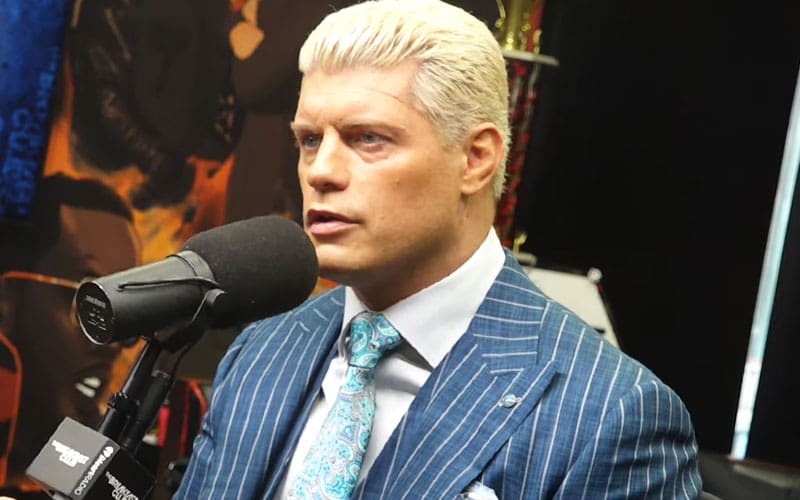
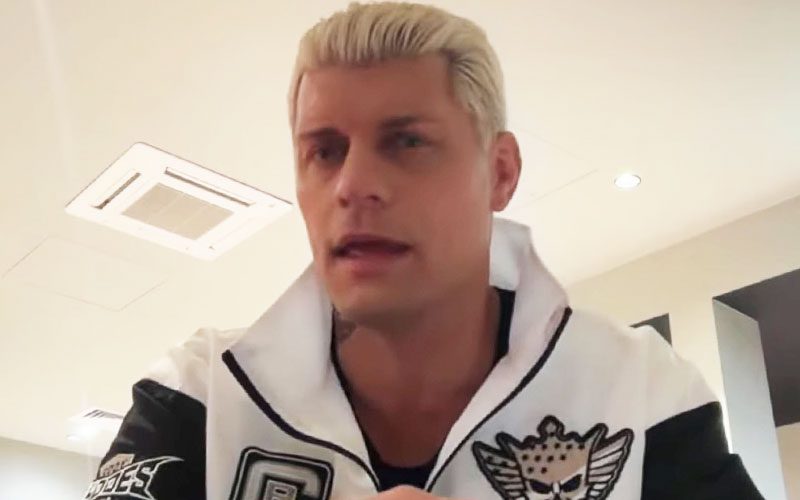
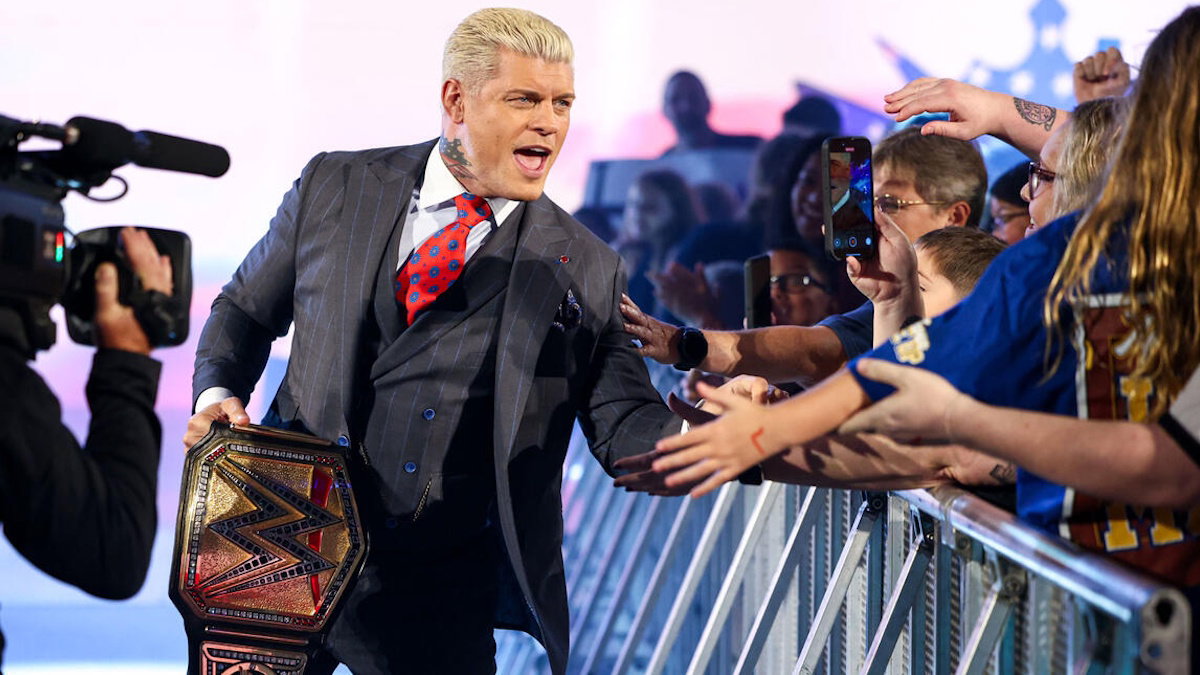
Cody Rhodes sits at the top of the wrestling pyramid. His performance at the top of the card has sustained recent industry viewership spikes, yet the long-term future is beginning to materialize. Rhodes has confirmed his interest in pursuing a secondary career in Hollywood upon his eventual in-ring retirement.
The announcement provides a clear window into how the current top draw views the longevity of his current run. Rather than moving toward coaching or front-office work, Rhodes points to acting as the natural evolution of professional wrestling. Given that he is already on the call sheet for a feature film releasing this October, the groundwork is already laid.
Creative direction and current trajectory
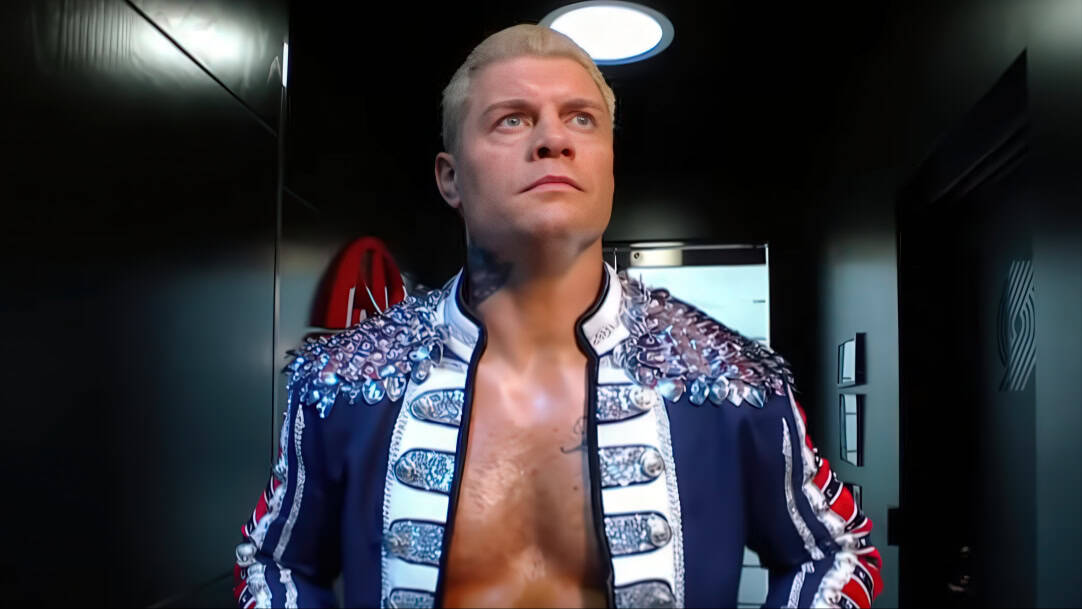
Rhodes remains the primary engine for the current product. His character work relies on high-stakes, big-match scenarios, often culminating in signature spots like the Crossroads or the Bionic Elbow. However, balancing a film career with a full-time schedule remains a notorious challenge for wrestlers.
We have seen the pattern before. The grind of the road, combined with the physical toll of 200+ matches a year, makes long-term sustainability difficult. If Rhodes begins prioritizing film sets over the weekly television cycle, the creative team will have to pivot quickly to fill the void at the top of the card.
The risk here is burnout or, more likely, a diluted impact. Wrestling audiences are sensitive to stars who lose their edge for the sake of Hollywood exposure. If the work inside the ring suffers, the crowd will turn, regardless of how many movies he lands.
The probability and timeline assessment
This is not a transfer in the traditional sense, but a shift in employment focus. The probability of Rhodes moving into full-time entertainment work is high once his prime run concludes. Wrestling has provided a springboard for many, but few bridge that gap with as much foresight as Rhodes.
We can expect a transition phase to begin within the next two to three years. He has already begun the process of integrating external media projects into his schedule. The October project, 'Street', serves as the pilot for this trajectory.
The timeline does not imply an immediate exit. Rhodes has too much equity built in the current promotional structure to walk away while the business remains hot. He will likely adopt a part-time schedule similar to other industry veterans, focusing on marquee PLE events rather than the grueling weekly tape schedule.
Expected impact on the industry
The movement of the current face of the company toward mainstream entertainment signals a change in the industry's talent model. As veterans look outside the ring for career longevity, promotions will need to rely on the next tier of talent to carry the daily workload. This creates a vacuum in the main event scene.
If Rhodes transitions successfully, he adds credibility to the industry as a legitimate pipeline for mainstream actors. However, it also suggests that the current era of 'every week' legends is cooling off. Expect to see booking patterns shift toward younger, hungrier performers as Rhodes shifts his focus toward the next red carpet.
Ultimately, WWE can survive without him in the ring, but his departure changes the optics of the entire roster. The challenge is ensuring his exit—whenever it occurs—does not leave a void that the current mid-card talent is unprepared to inhabit.
Read Next
- The Hart family biopic is a trap for the WWE studio model
- Cody Rhodes battles through lingering effects of WrestleMania title defense
- Eric Bischoff is wrong about turning Cody Rhodes heel
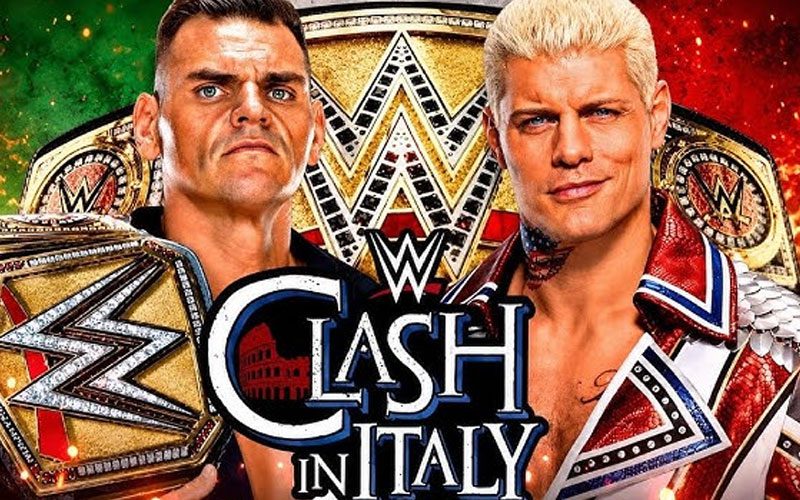
- Gunther is the analytical nightmare Cody Rhodes isn't prepared for
- 🏆 WrestleMania 41 — Full Coverage Hub
- 💥 WWE Backlash 2026 — Full Coverage Hub