The backstage heat finally cools off
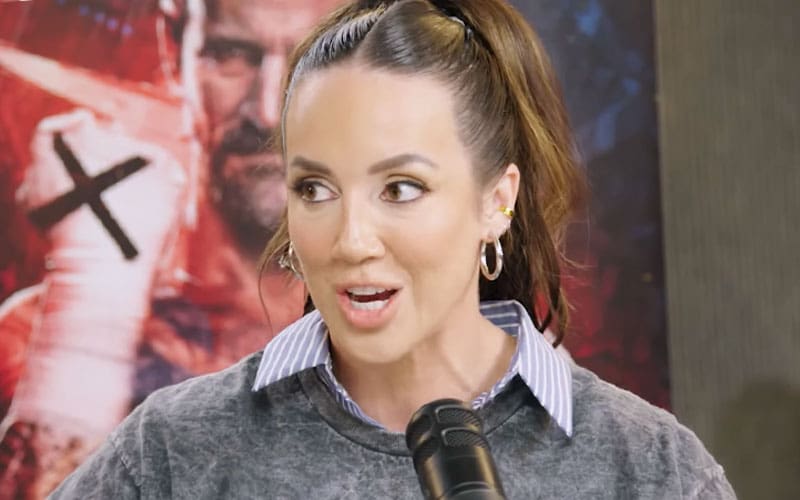
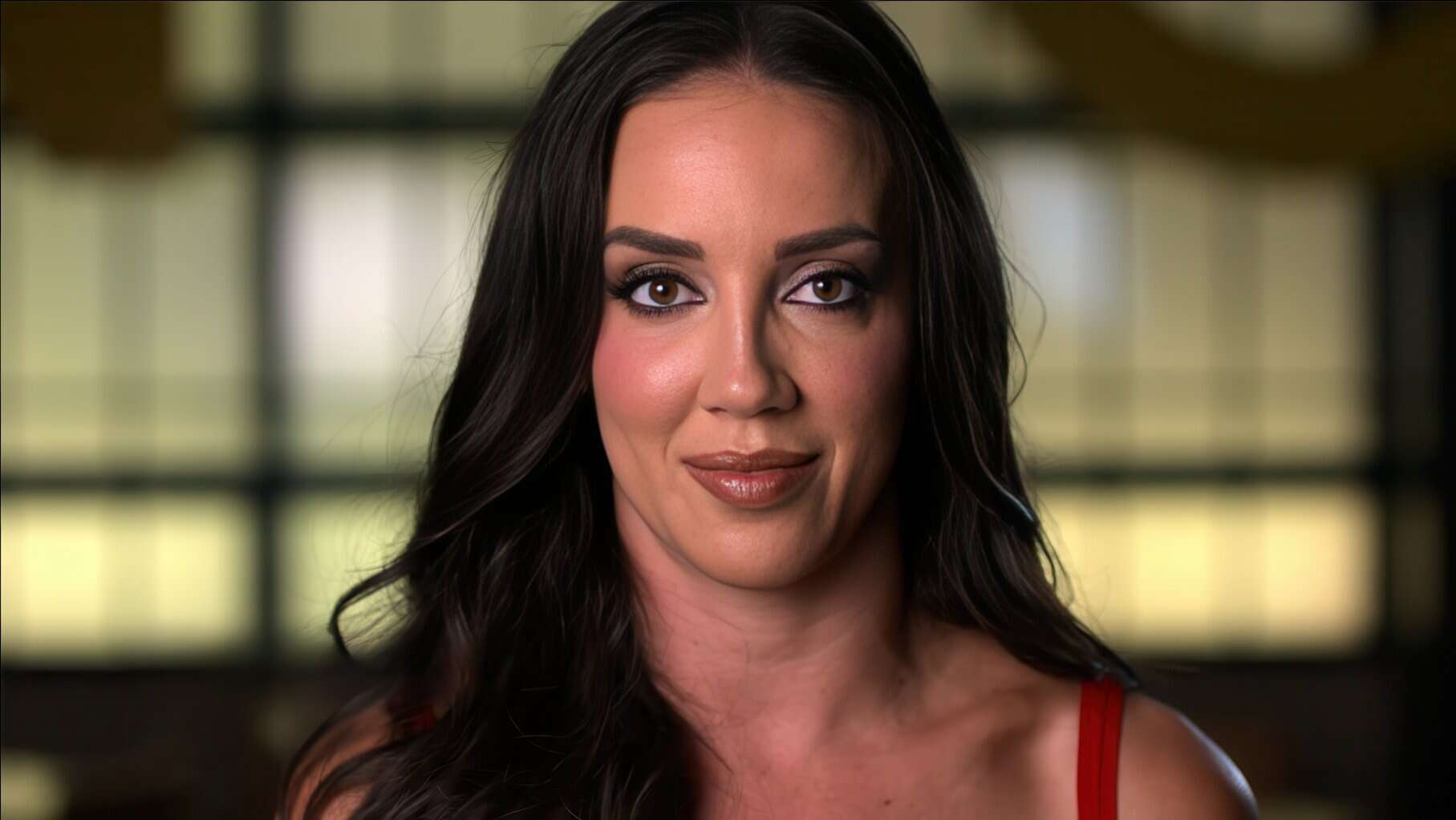
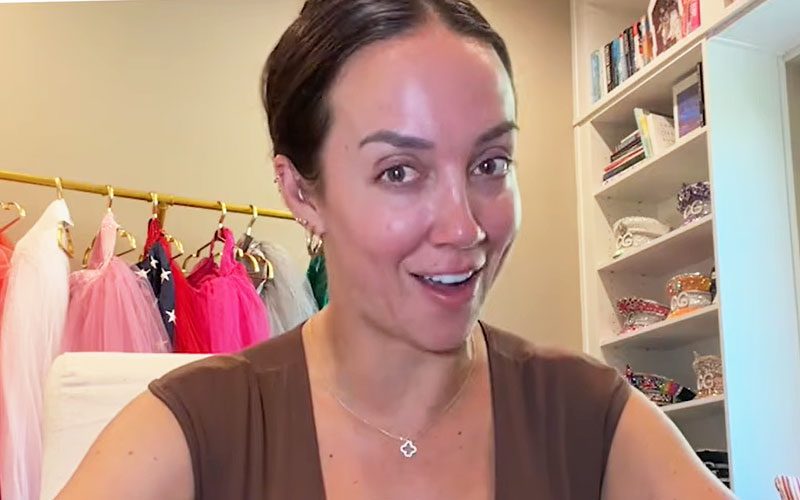
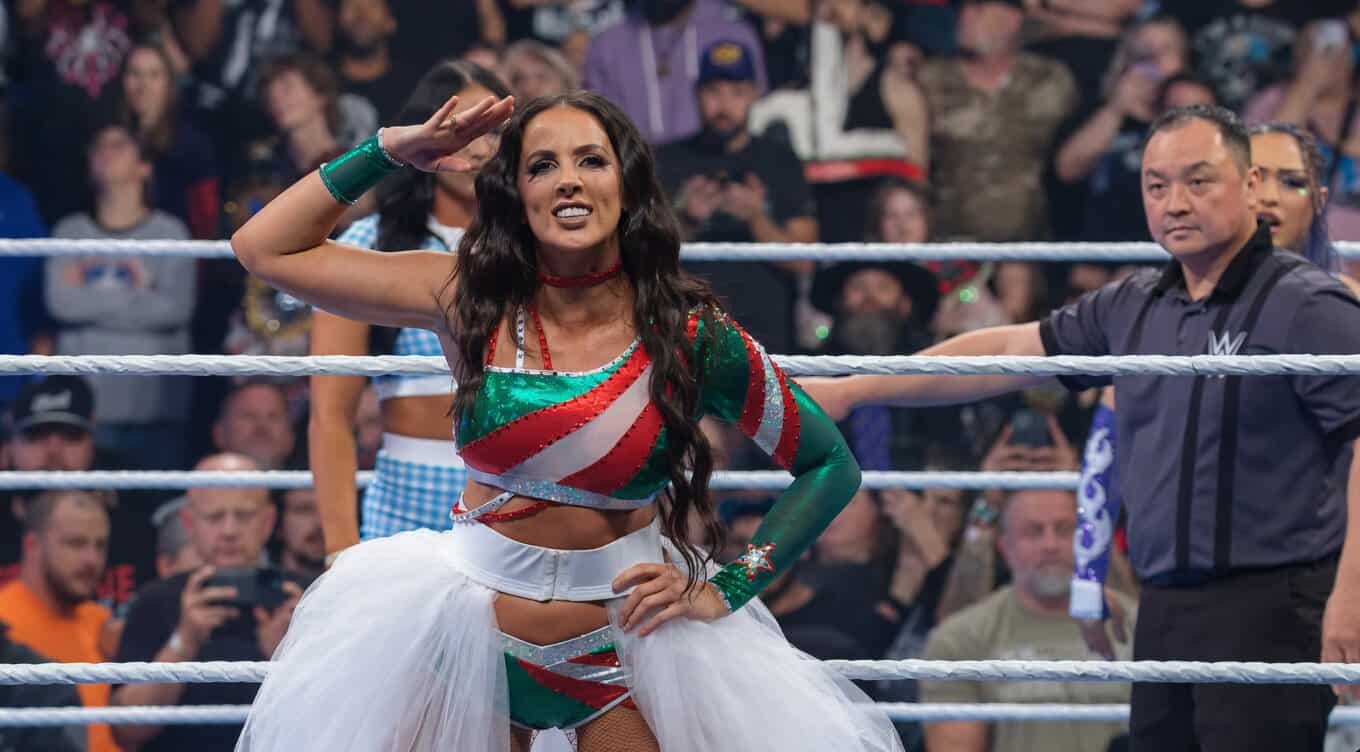
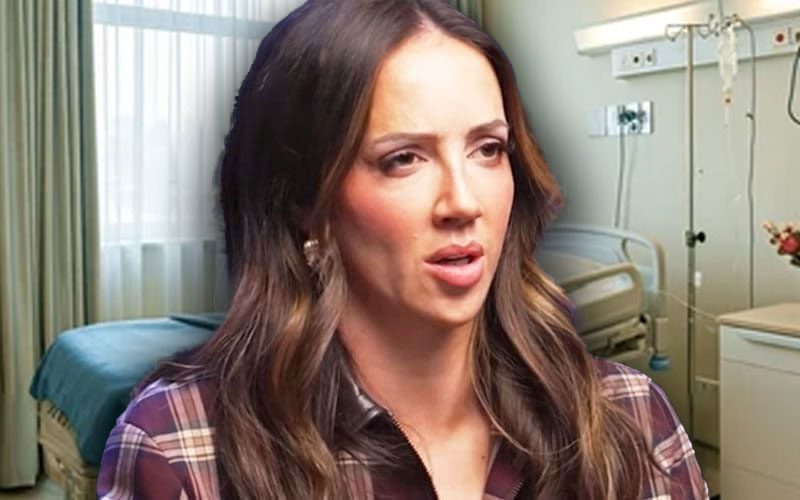
Chelsea Green has spent her current WWE run reinventing the idea of a character-first performer. Whether she is throwing a tantrum at ringside or getting slammed through a table, she keeps the eyeballs glued to the screen. Recently, the internal optics regarding her relationship with Michael Hayes took center stage, fueling rumors of genuine locker room friction.
For those living under a rock, the chatter started after high-profile creative disagreements reached a point where fans started speculating about her long-term stability on the roster. It is the classic wrestling headache: when a producer with the influence of Hayes crosses paths with a talent who refuses to play the quiet worker, sparks usually fly. The rumors hit a fever pitch during the post-show fallout of recent premium live events.
Moving past the internal tension
Green recently cleared the air regarding her standing with Hayes, indicating that the professional friction has been smoothed over. It helps when you have the crowd consistently eating out of the palm of your hand, which provides a nice buffer zone against standard producer pushback. In this business, if the segments draw numbers, the office tends to forgive a lot of attitude.
You can see the difference in her recent booking choices. There is less of the erratic, off-the-cuff behavior that dominated her earlier segments, opting instead for a more methodical approach to her heel persona. It seems like the communication breakdown has been replaced by a more functional working relationship, which is the only way to survive the grind of a road schedule 52 weeks a year.
The reality of creative control
Let’s be real for a second: the power dynamic in WWE is rarely mutual. Producers like Hayes carry a weight that talent, even top-tier ones, rarely possess. When a wrestler gets heat, it is usually because they are treated as an interchangeable unit rather than an actual contributor. As Ringside News reported, the situation has moved into a more stable category.
This is not to say that creative harmony reigns supreme. The booking still feels disjointed at times, and there are segments where Green looks like she is working against the script rather than with it. If they miss the mark on a specific spot or the timing of a finish suffers, the blame game happens instantly. Hayes is known for being a stickler for tradition, while performers like Green want to lean into modern, chaotic engagement tools.
Why this matters for the mid-card
The mid-card is currently a graveyard of wasted potential, but Green has somehow managed to stay relevant. It is a credit to her ability to pivot when the scripts turn into absolute trash. If she can keep the Hayes drama at bay, she has a shot at sustained relevance heading into the summer months.
However, the danger remains that she becomes a punchline rather than a featured star. If the creative team stops taking her segments seriously, the momentum disappears at the 15-minute mark of a cold opening. Maintaining the balance between a character that is easy to hate and a worker that is easy to trust is the tightrope walk that defines a career.
For now, the heat has left the room. They are talking, the segments are hitting, and the machine continues to turn. Whether this lasts until late 2026 remains the real test of this alliance.