The cost of the chair shot
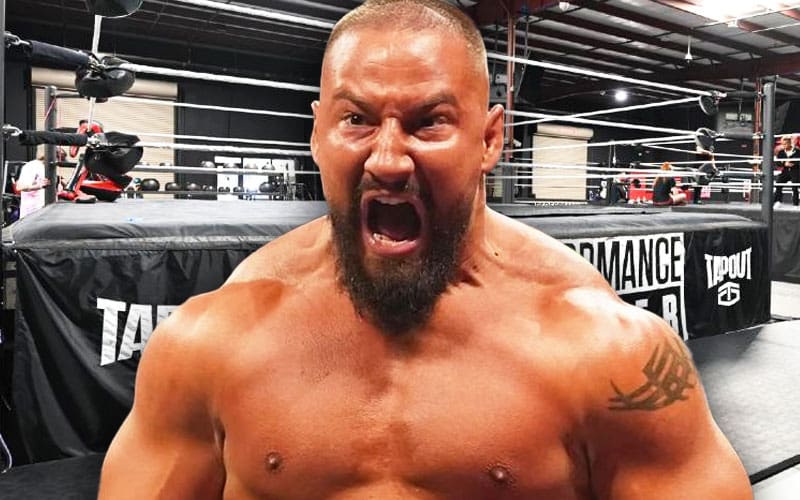
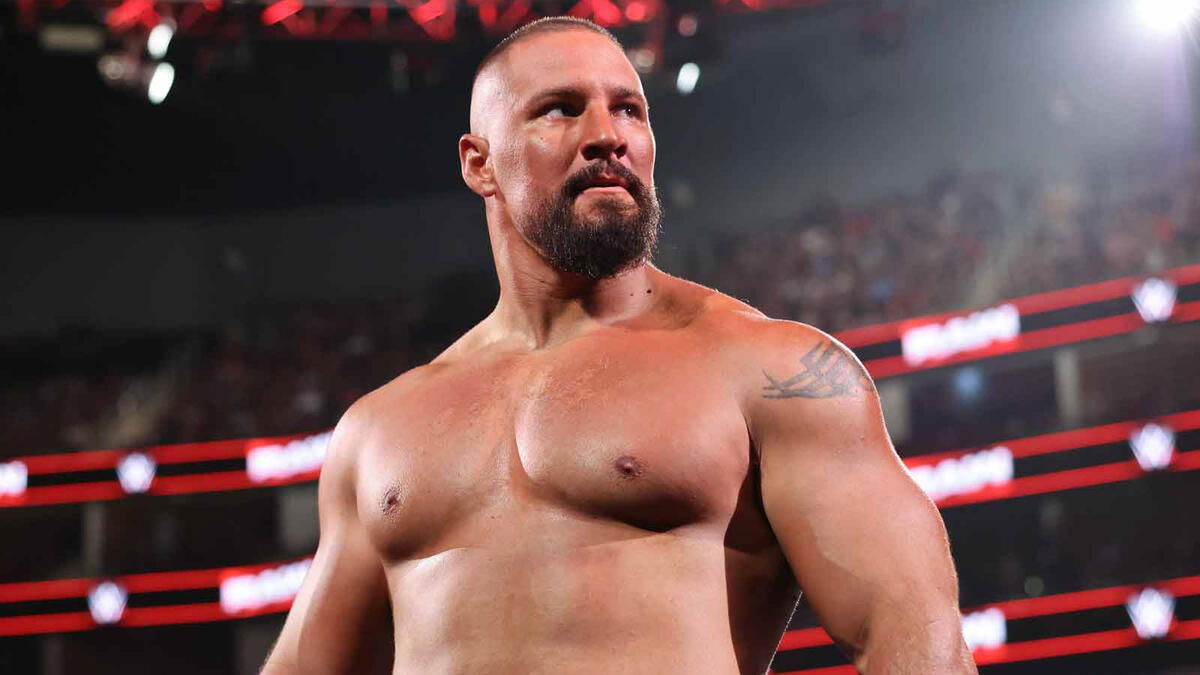
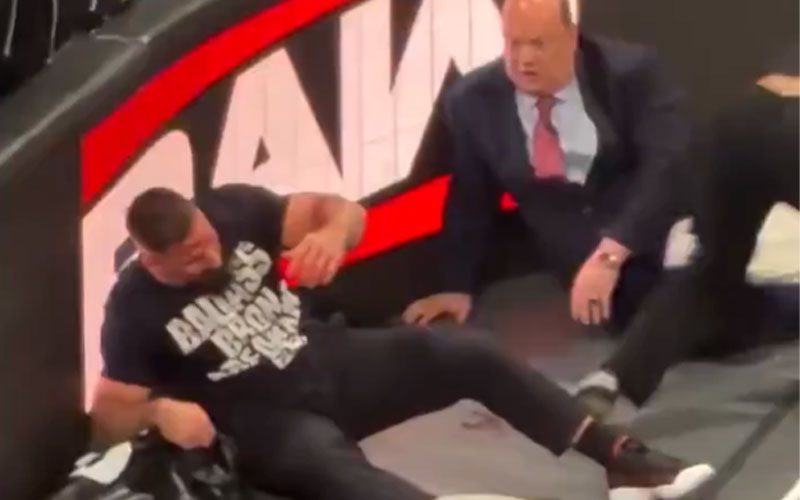
Bron Breakker sustained a genuine head injury during last night's episode of Monday Night RAW. The injury occurred during a high-stakes sequence involving a steel chair that did not go as planned. Production staff pulled the match shortly after the impact. Breakker was visibly disoriented before being helped to the back by medical personnel.
Official confirmation of the specific trauma remains thin, but early reports indicate a concussion protocol is now in effect. WWE has maintained a standard policy for head-related injuries since 2022. This involves immediate removal from active storylines and a mandatory rest period. Breakker is not expected to appear on television for the immediate future.
The timeline for recovery
Returning from a concussion in professional wrestling is rarely a linear process. Based on previous industry standard recoveries for performers like Drew McIntyre or Kevin Owens, Breakker will likely spend at least three weeks on the shelf. This puts his participation at WWE Backlash 2026 on May 9 in serious jeopardy.
If the medical clearance process requires longer neurological testing, the company might be forced to pivot his current program entirely. WWE management prefers not to rush head trauma cases due to the ongoing scrutiny regarding long-term brain health in the industry. Forcing a performer back too early creates a PR liability that the front office is clearly moving to avoid.
Strategic damage and creative fallout
Breakker represents a core pillar of the current mid-card and upper-mid-card transition. His absence forces a major reshuffling for the May 9 premium live event. Creative teams are already burning the midnight oil to fill the gaps in the bracket. This is a direct consequence of relying on hard-way spots that carry inherent, unnecessary risk in the current media climate.
Criticism of the spot itself is already circulating among talent. Chair shots to the head are widely considered non-functional in modern booking. Using unprotected metal to simulate impact is a dated mechanic that often falls short of its visual goal while exponentially increasing real-world danger. This incident serves as a brutal reminder that, regardless of the athletic prowess on display, an error of an inch can sideline a top-tier asset for weeks.
Historically, this mirrors the 2023 incident involving Ricochet, where an unplanned landing off a ladder forced a multi-week hiatus. The similarity lies in the lack of transition space for the performer to protect their own skull. Both incidents stemmed from high-momentum moves where the margin for error was non-existent. The medical staff at RAW acted with appropriate speed, but the booking decision to include the specific chair spot will invite questions regarding safety protocols during rehearsal.
WWE's reliance on high-impact weapon spots remains a bottleneck for injury prevention. While the audience demands intensity, the risk-to-reward ratio for chair shots remains firmly in the negative column. If upcoming programming involves similarly high-risk maneuvers, we will likely see talent pushing back behind the curtain. The internal pressure to deliver spectacle is colliding with the physical reality of the performers who have to absorb the impact. Moving forward, the production team must find ways to generate crowd heat that do not involve head trauma, or risk losing their biggest potential stars to preventable clinical incidents.