The Speed and Mass Problem
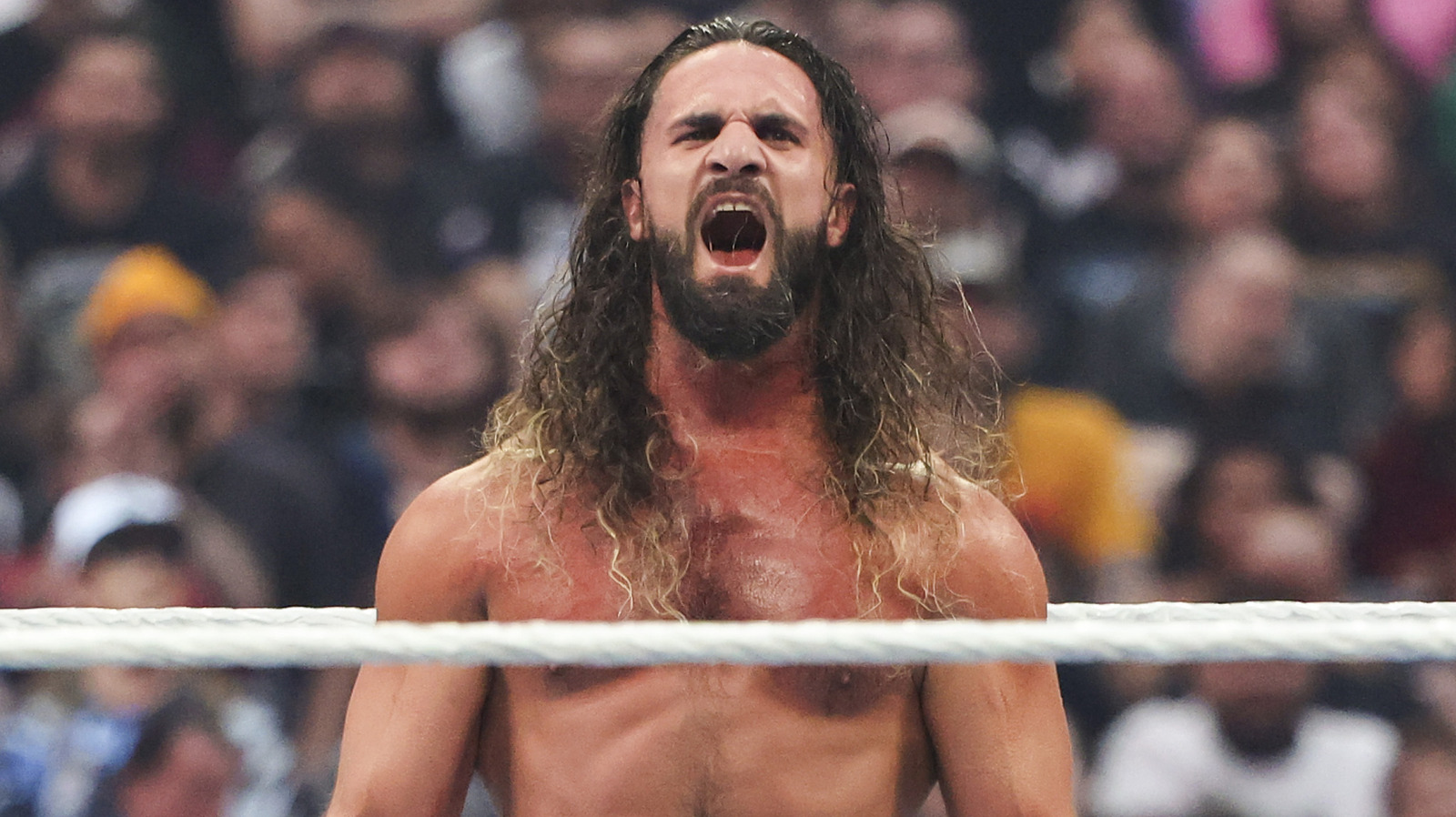
Seth Rollins made a major statement on Monday night in Laredo. He called out Bron Breakker live on Netflix, setting the stage for what looks to be a massive physical collision. But from a medical and biomechanical perspective, Rollins is walking right into a buzzsaw. Breakker is not just a standard heavyweight opponent. He is a freakish combination of velocity and mass that tests the structural integrity of everyone he faces.
When Breakker hits the ropes, he generates force that few people on the WWE roster can match. Professional wrestling is a worked sport, but the impact of a 240-pound man moving at top speed is very real. The human body is only designed to absorb so much kinetic energy before tissue begins to fail. By demanding this match, Rollins is volunteering to be a crash test dummy.
Breakker tore through the developmental ranks before arriving on Monday nights. His offensive style relies on sudden, explosive movements rather than prolonged submission holds. The spear, his primary weapon, targets the midsection but causes violent whiplash and secondary impact with the mat. For a performer with a pristine medical record, taking that move is tough. For someone with Rollins' extensive surgical chart, it is a massive, calculated risk.
A Documented History of Joint Trauma
You simply cannot talk about Seth Rollins without talking about his knees. The medical history is heavily documented and frequently discussed. In late 2015, he suffered a catastrophic knee injury during a live event in Dublin. He tore his anterior cruciate ligament, his medial collateral ligament, and his medial meniscus. He required complex reconstructive surgery to rebuild the joint.
More recently, in early 2024, Rollins suffered a grade two tear of his MCL and a partially torn meniscus during a title defense. Surgeons can repair torn ligaments and trim away damaged cartilage, but they cannot give you a brand-new joint. Every surgery leaves behind permanent scar tissue. Every premature return to the ring degrades the remaining cartilage.
At 39 years old, Rollins is operating on borrowed time when it comes to his lower body mechanics. His knees do not have the shock absorption they did a decade ago. This is where the matchup with Breakker becomes highly problematic. Rollins relies on agility, sudden stops, and vertical leaps to generate his offense. The Stomp requires him to launch himself vertically and land cleanly on both feet.
Every time Rollins plants his foot to change direction, severe rotational force is applied to those surgically repaired ligaments. Against a slower, methodical opponent, Rollins can control the pace and limit those sudden changes in direction. Against Breakker, he will be forced to react at high speed constantly. That rapid deceleration is exactly what causes ligament tears.
The Approaching Collision Course
If this match happens at WWE Backlash on May 9th, Rollins has less than two weeks to prepare his body. You do not just show up and wrestle a guy like Breakker on normal rest. You have to train your body to absorb blunt force trauma. You have to increase your neck strength to prevent whiplash from the high-impact collisions. You have to condition your legs to endure the constant, grinding pressure of evasive maneuvering.
The problem is that over-training can be just as dangerous as under-training. If Rollins pushes too hard in the gym trying to build mass to counter Breakker, he risks inflaming his joints before the bell even rings. It is a delicate balancing act. He needs to be at peak physical condition, but he also needs to protect his vulnerable areas from unnecessary wear and tear.
Strategic Flaws in the Call-Out
This is where the decision-making process gets highly questionable. Why call out Breakker right now? The Raw roster is incredibly deep. Rollins could have picked a fight with someone whose style is far less destructive. Look at the women's division right now. Bayley and Lyra Valkyria are currently locked in a tactical battle with Roxanne Perez and Raquel Rodriguez. That is a feud built on strategy and pacing.
Rollins versus Breakker is going to be a high-speed car crash. This feels entirely like an ego play. Rollins wants to prove he can still run with the youngest, fastest guys in the locker room. But pride is a terrible reason to risk your long-term physical health. If Breakker catches him cleanly with a spear, we could easily be looking at another six to nine months of grueling rehab.
The WWE medical staff is likely holding their breath every time these two share a ring. The margin for error is razor thin. If Rollins lands awkwardly while trying to avoid a tackle, his knee could simply buckle under his own weight.
The Broader Industry Impact
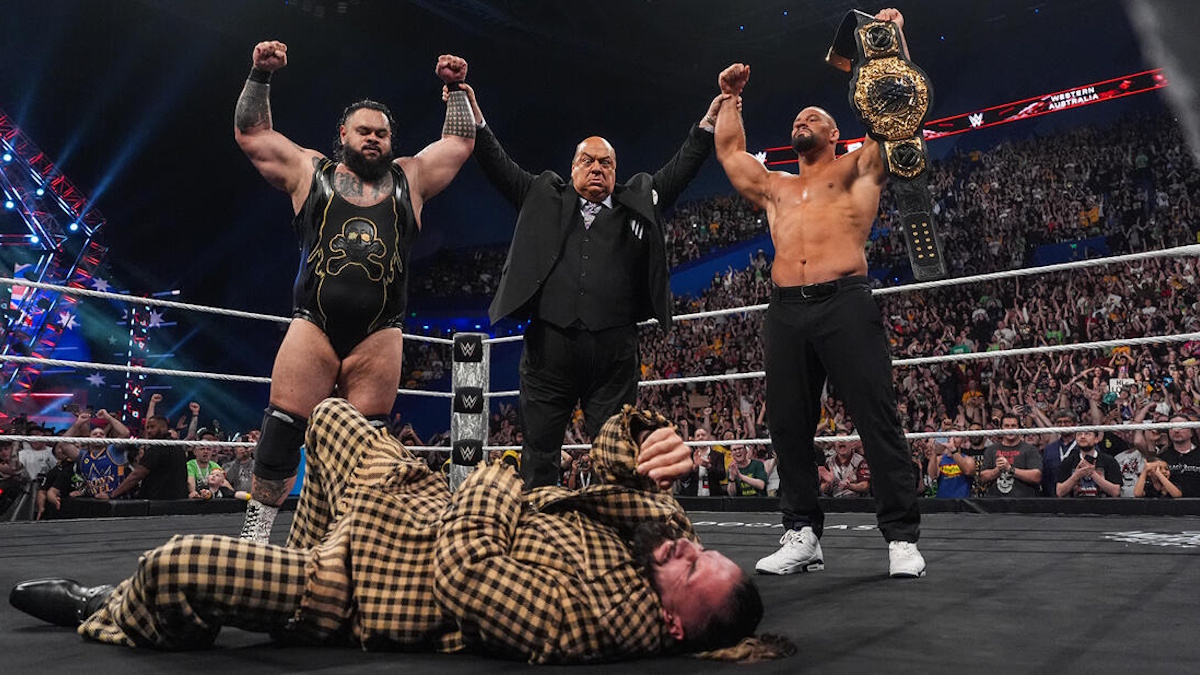
If Rollins goes down again, the ripple effects will be felt across the entire company. SmackDown is currently consumed by the Bloodline civil war. Roman Reigns is busy addressing the Usos and Jacob Fatu. That storyline dominates the Friday night programming. Raw desperately needs a stable, reliable top star to anchor the Monday night show.
If Rollins is forced onto the injured list, that creates a massive vacuum at the top of the card. The undercard is moving, but they are not ready to main event. Joe Hendry just made his Raw debut with a live concert. The crowd loves him, but he cannot carry the brand physically. NXT call-ups like Josh Briggs and Laredo Kid are working Main Event tapings to get reps. The roster is full of potential, but short on proven main-event anchors.
Bron Breakker is a rising star, but he needs established veterans to work with to legitimize his run. If he injures Rollins, Breakker loses his best available dance partner. He would be left without a top-tier opponent to elevate his status. It is a lose-lose situation for the long-term booking of the show if this match results in legitimate medical trauma.
What to Watch For at Backlash
As we get closer to the May 9th event, fans should pay close attention to how Rollins moves in the ring. Watch how he climbs the turnbuckles during his entrance. Watch how he plants his feet when throwing his signature strikes. If he favors one leg, or if he hesitates before jumping, that is a clear clinical sign that the knees are bothering him.
Breakker will undoubtedly notice any weakness too. He is not the type of wrestler to take it easy on a wounded opponent. His entire gimmick is built on ruthlessness and capitalizing on mistakes. The medical staff will clear performers to compete, but they cannot protect them once the bell rings. Rollins has made his choice and called out the monster.
Ultimately, this match will come down to survival and ring positioning. Rollins has to avoid the big, high-velocity collision at all costs. If he can drag Breakker into deep water and force him to wrestle a slower, technical match, he has a fighting chance. But if Breakker dictates the pace, and the match devolves into a pure sprint, Rollins' knees might not hold up. The physical reality is undeniable, and Rollins is pushing his body right to the absolute edge.
Read Next
- The fans are hijacking the Backlash build and Triple H is feeling the heat
- Stephanie Vaquer out indefinitely following Judgment Day attack on Raw
- Seth Rollins and Bron Breakker: A clash of generations and efficiency rates
- Why Charlie is right to keep WWE waiting before Backlash
- 💥 WWE Backlash 2026 — Full Coverage Hub