The championship logistics of a forced pivot
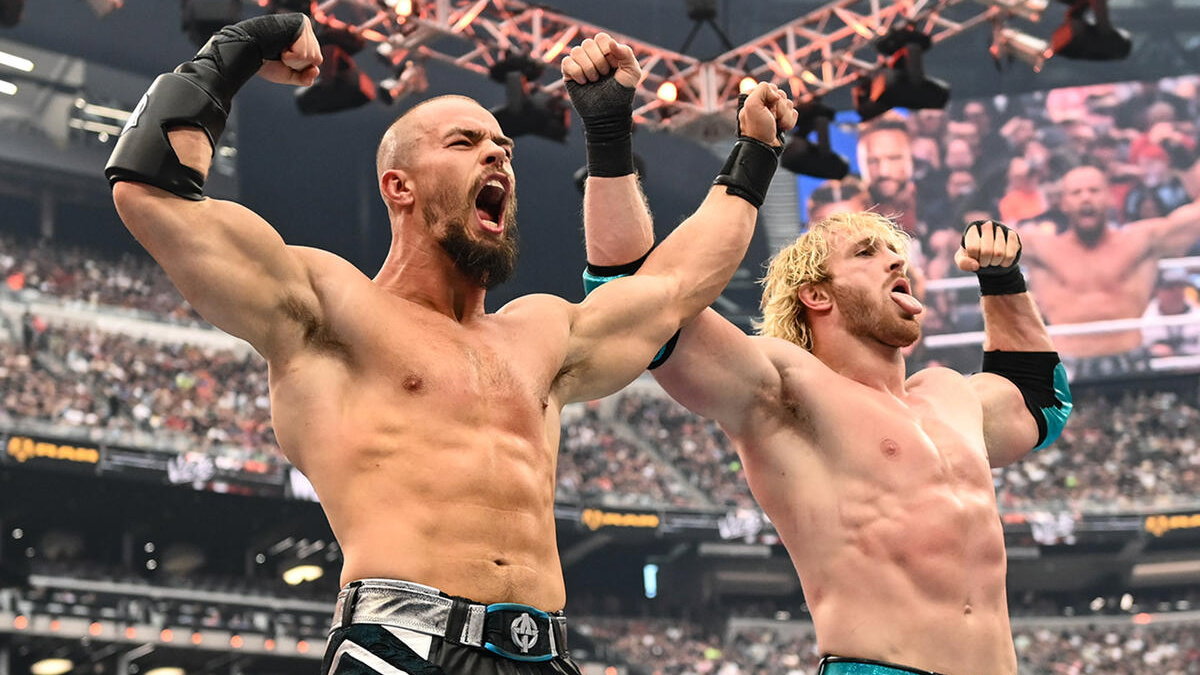
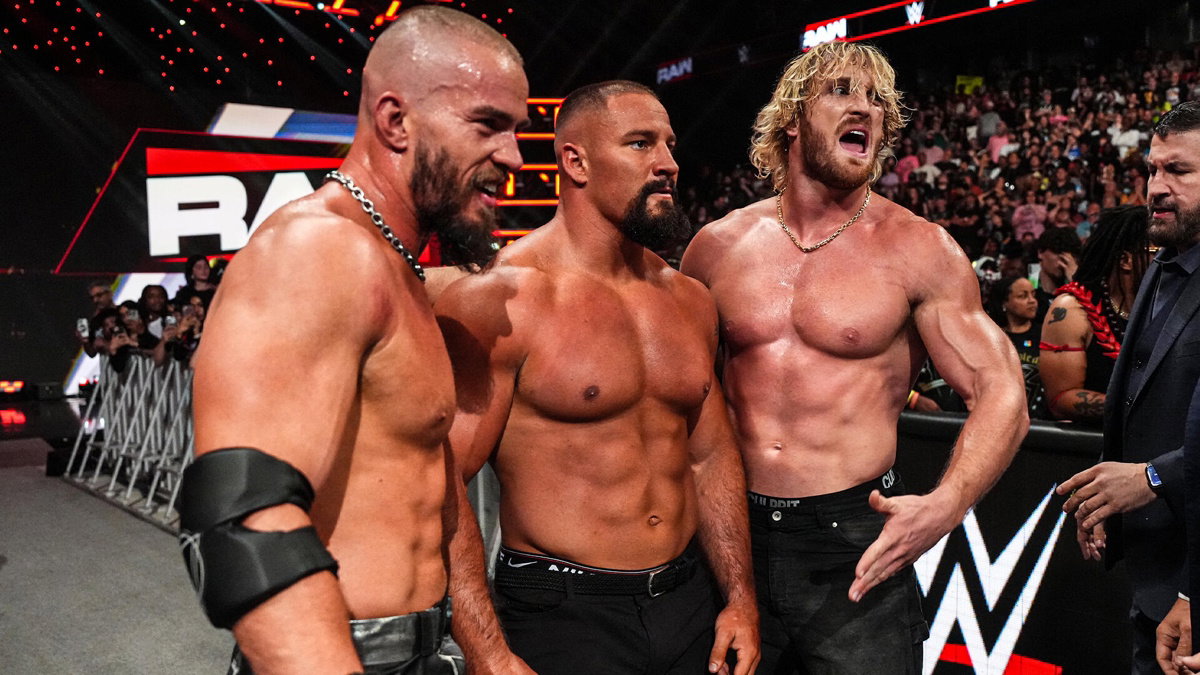
The WWE tag team division rarely offers a clean hand-off. When an injury dictates the script, booking teams often scramble to maintain momentum, but the decision to slot Bron Breakker alongside Austin Theory is a curious deviation from established character arcs. With Logan Paul sidelined for several months due to a torn triceps, the championship gold has been treated as a fluid asset rather than a hard-earned prestige item.
This transition feels less like a natural progression and more like a reactive patch job. Breakker brings a high-octane, power-based style that thrives in 6-minute sprint matches, whereas Theory favors a more measured, technical approach that slows the pace. Blending these two distinct styles mid-reign risks losing the cohesion required for tag team legitimacy.
Tactical friction and divisional consequences
Breakker’s explosive offense—particularly his spear and standing powerslam—often clears the deck in singles competition. In a tag environment, he faces the challenge of managing space with a partner whose timing was calibrated to harmonize with Paul’s unique, highlight-reel-focused movement. This pairing looks like a collision of styles, not a synergy, and the lack of time to build chemistry on house show loops will be evident in their opening sequences.
As F4WOnline confirmed, the recovery timeline for a triceps tear is significant. This injury forces the championship into a holding pattern where the focus shifts from the narrative behind the belts to the mechanics of the title retention. It is a cynical reality of the business: titles are sometimes prioritized over logical storytelling when a brand’s flagship stars are unavailable.
The defensive reality of tag team booking
Criticism is warranted here: the sudden nature of this substitution undermines the specific tag team discipline. Tag wrestling relies on cutting the ring in half and dictating tempo, elements that require long-term synchronization. Watching two singles specialists—one a perpetual project, the other a powerhouse on a rocket ship—attempt to navigate title defenses without any established history is a major risk for the quality of the product.
The internal metrics for a successful tag team usually reveal themselves by the 5-minute mark of a bout. If Breakker and Theory cannot establish a rhythm before the first commercial break, they will likely resort to high-impact spots rather than structural tag team tactics. It is a strategy that works for individual spectacle but often leaves the division feeling hollow.
The verdict for the upcoming defense
I anticipate this team will lean heavily on raw aggression rather than tandem maneuvers. If the opponents challenge their spacing early, we could see a disjointed affair. Given the pressure to maintain the championship’s presence under the WWE banner, expect a win, but do not look for a display of technical tag craft. They have the pedigree to dominate, but they lack the cohesion to be remembered, likely finishing with a one-pinfall margin victory that sets up a inevitable, messy dissolution of the alliance. This is a stop-gap measure designed to bridge the gap until the main event scene recalibrates, and the audience will be able to smell the improvisation from the front row.