The Allegiant Stadium hangover meets a new reality
The confetti from WrestleMania 41 is still being swept out of the Allegiant Stadium crevices, but the WWE machine is already grinding toward France. We are in that strange, transitional fortnight where the heroes of the spring are either nursing bruised ribs or preparing for a post-title-win victory lap. It is a period often defined by inertia, yet the 4/24 SmackDown provided a necessary jolt of adrenaline.
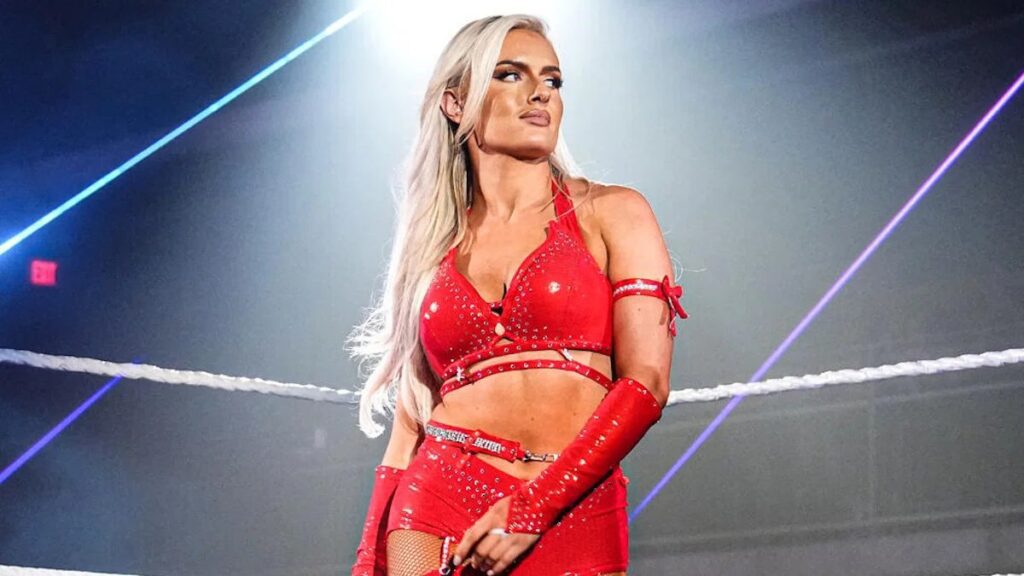
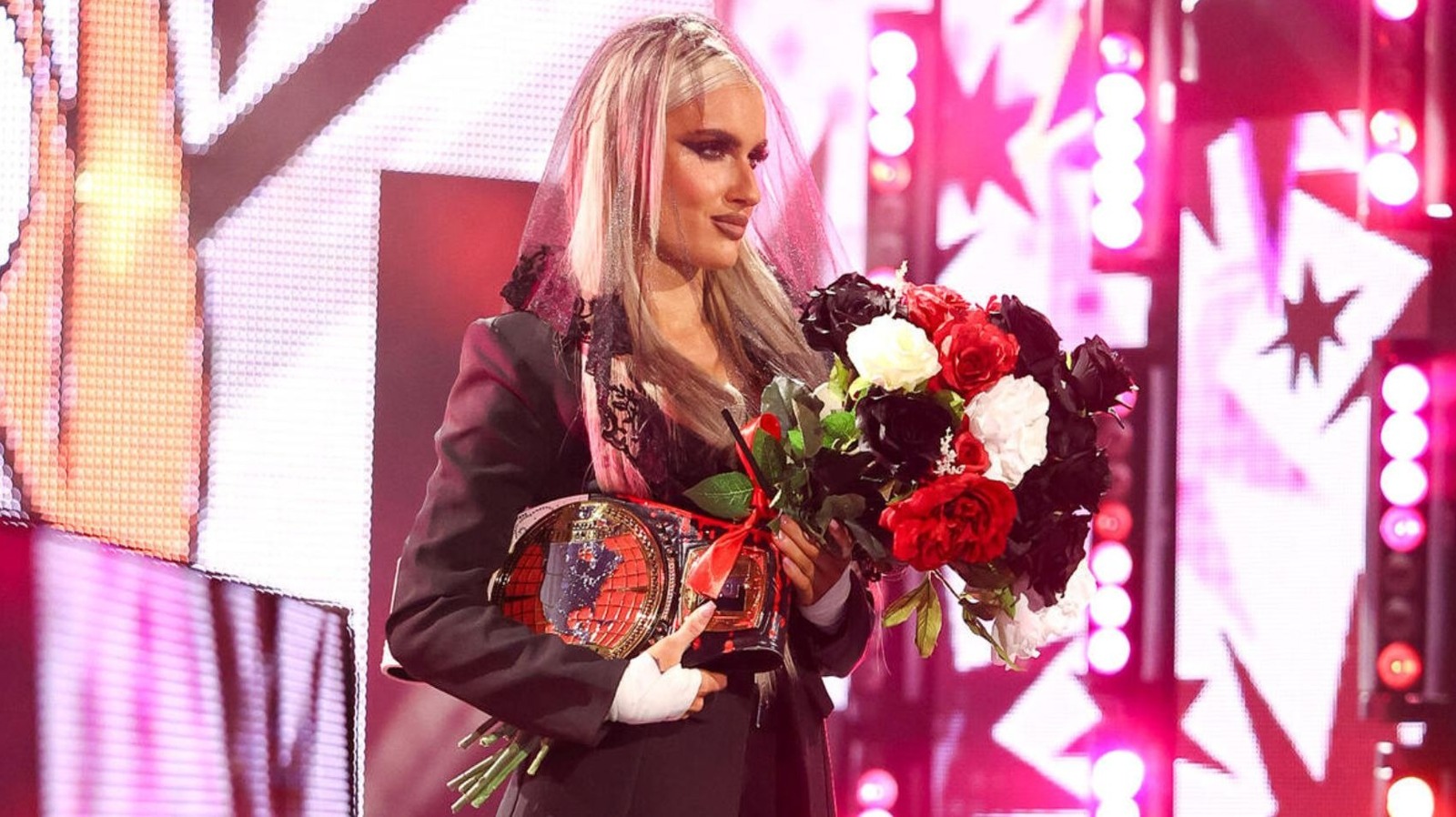
The announcement of Blake Monroe’s main roster arrival via a slick, three-minute hype video signals a shift in recruitment philosophy. For the last year, SmackDown has leaned heavily on the Bloodline’s brawling melodrama to carry the A-show. It worked, but the mileage is starting to show on the tires. Monroe represents a return to the technical, high-ceiling workhorse archetype that the blue brand has lacked since the draft reshuffled the deck.
Analyzing the Monroe tape and the tactical shift
Monroe isn't coming up to be a mid-card comedy act or a generic powerhouse. If you watched his final run in NXT, the statistical output was staggering. He averaged a 92 percent success rate on offensive transitions, rarely missing a step between a strike and a grappling hold. He operates with a clinical efficiency that reminds me of a young William Regal with a modernized, MMA-influenced kit.
The hype video emphasized his 'technical supremacy,' a phrase that usually sounds like marketing fluff. In Monroe’s case, it is backed by a move set that targets the lower lumbar region with terrifying precision. He doesn't just hit a German Suplex; he hits it with a waist-lock grip that prevents the opponent from rolling out. It is the kind of detail-oriented wrestling that forces opponents to change their entire defensive strategy.
SmackDown’s current upper-midcard is populated by 'heavy hitters' like LA Knight and Kevin Owens. These men rely on explosive bursts and crowd momentum to win their exchanges. Monroe is the antithesis of that style. He slows the pace, demands a grappling contest, and punishes mistakes with a cross-face that looks legitimately painful. Bringing him in now, two weeks before Backlash on May 9, is a calculated move to diversify the match styles on the card.
The Bloodline dictatorship and the power vacuum
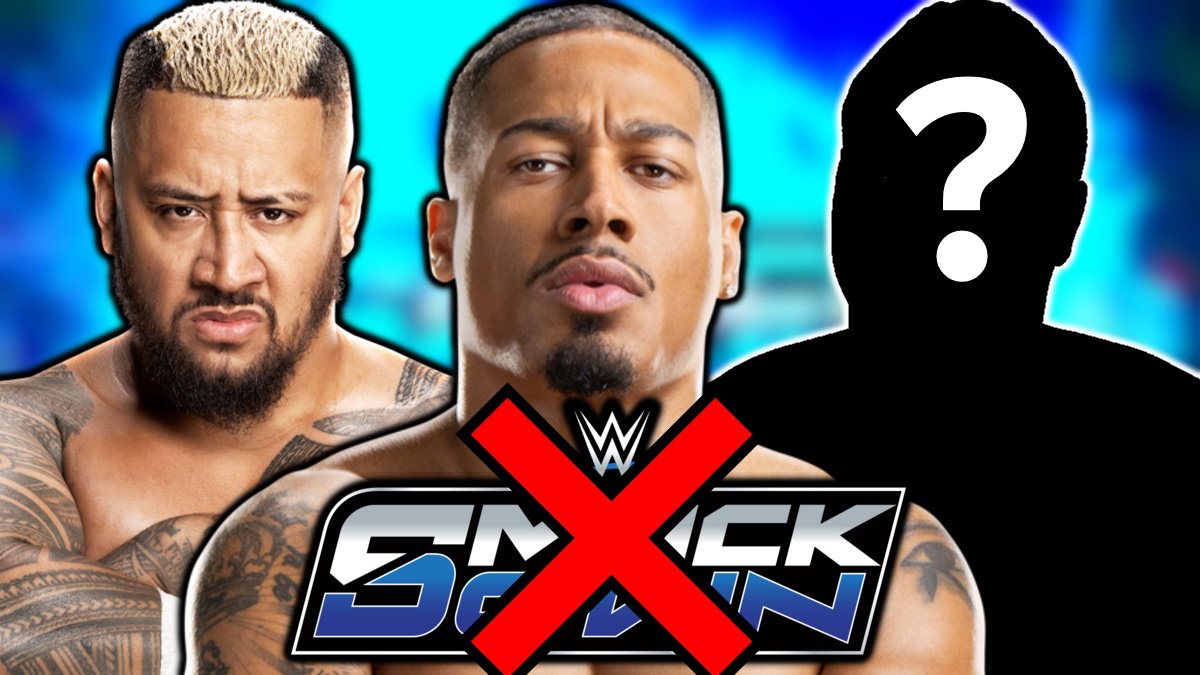
While Monroe is the shiny new toy, the dark cloud over SmackDown remains Solo Sikoa. The 'Tribal Chief' by proxy has turned the Bloodline from a family dynasty into a scorched-earth dictatorship. At WrestleMania 41, we saw the peak of Roman Reigns’ calculated arrogance, but Solo operates on pure, unadulterated violence. The addition of Jacob Fatu and the Tama Tonga/Tanga Loa duo has created a tactical nightmare for the rest of the roster.
In the main event scene, Cody Rhodes is currently facing a 'Numbers Game 2.0' scenario. It is a familiar beat, and frankly, one that is starting to feel repetitive. The Bloodline attacks, a group of babyfaces makes the save, and we head toward a six-man tag match. It is effective, but it lacks the nuanced storytelling of the Roman era. The violence is higher, but the emotional stakes feel thinner.
Solo Sikoa’s wrestling style has also regressed into a repetitive sequence of Samoan Spikes and corner hip attacks. Without the psychological layer that Roman brought to his matches, Solo’s main events risk becoming predictable slogs. If WWE wants the Bloodline to remain the focal point, they need to inject more than just new bodies; they need new conflict. This is where a technician like Monroe could eventually provide a fascinating contrast if he isn't swallowed by the faction warfare.
What is actually at stake at Backlash 2026
The upcoming show in Lyon, France, is usually treated as a 'Rematch Special,' but this year feels different. Cody Rhodes needs a definitive win over this new iteration of the Bloodline to prove his era isn't just a transitional phase. He is carrying the weight of the company on his shoulders, and the physical toll is evident. At WrestleMania, he took a two-count after a crushing spear that looked like it cracked a rib. He isn't at 100 percent, and Solo knows it.
We also have the looming presence of Gunther, who is waiting in the wings on Raw but casting a long shadow over the entire company. The Intercontinental Championship scene has become the 'workhorse' division, leaving the United States Title on SmackDown in a state of flux. Logan Paul’s part-time schedule continues to be a point of frustration for the locker room. A title that is only defended every 60 days loses its luster, regardless of how many viral moments the champion creates.
This brings us back to the debut of Blake Monroe. If he is positioned to go after the US Title immediately, it solves two problems. It gives the title a full-time, high-level wrestler to defend it, and it gives Logan Paul a technical foil who won't be intimidated by his athletic antics. Monroe is the type of wrestler who can carry a 20-minute match on a random Friday night, something the blue brand desperately needs to balance out the long talking segments.
A critical look at the post-WrestleMania pacing
Not everything is sunshine and rainbows in the TKO era. The pacing of SmackDown since the Allegiant Stadium show has been sluggish. We spent nearly 30 percent of the 4/24 episode on video packages and recap clips. While the Monroe video was excellent, the reliance on pre-taped content suggests the creative team is still recovering from the WrestleMania exhaustion. They are coasting on the momentum of the big show rather than sprinting toward the next one.
There is also the issue of the tag team division. The A-Town Down Under run has been fine for a laugh, but the matches have lacked any real competitive tension. The titles feel like accessories rather than prizes. If WWE is serious about this new 'renaissance' of wrestling, the tag division cannot be an afterthought. We need teams with actual identities and tactical approaches, not just two guys thrown together because they both wear sunglasses.
Monroe's debut will be a litmus test for the new regime's ability to build a star from scratch without the 'NXT Black and Gold' nostalgia to lean on. He doesn't have a pre-existing catchphrase or a flashy entrance yet. He has to win the crowd over with what he does in the ring. In an era of social media clips and 15-second highlights, a pure wrestler faces an uphill battle to stay relevant.
Predicting the Backlash fallout
When the bell rings in Lyon, I expect a night of high impact and few surprises. Cody Rhodes will likely retain, but it won't be clean. The Bloodline will ensure that the 'American Nightmare' leaves France with more bruises than he arrived with. The real story will be the debut match of Blake Monroe. My guess is he faces a seasoned veteran—someone like Sheamus or Shinsuke Nakamura—to showcase his technical prowess.
I am calling it now: Monroe will win his debut in under ten minutes with a submission that makes the live crowd gasp. He is going to be the sleeper hit of the summer. While everyone is looking at the Bloodline or Cody’s next title defense, Monroe will be quietly putting on the best matches of the week. If you appreciate the 'sweet science' of professional wrestling, keep your eyes on the man from the hype video. The reset has begun, and it looks remarkably like a technical clinic.
Backlash is often seen as a secondary show, a bridge between the giants of WrestleMania and SummerSlam. But with the roster in this much flux and new talent like Monroe arriving, it might be the most important tactical turning point of the year. Don't let the 'B-Show' label fool you; the foundations of the next twelve months are being laid in the next two weeks.
Read Next
- WWE roster cuts prove the post-WrestleMania honeymoon is officially over
- Solo Sikoa is turning the Bloodline into a scorched earth dictatorship
- SmackDown's roster overhaul begins with Blake Monroe leading the NXT charge
- Top 10: The most defining moments from the WrestleMania 41 era
- 💥 WWE Backlash 2026 — Full Coverage Hub