Alpha Wolf and the changing logic of the WWE international pipeline
The quiet evolution of talent recruitment
The WWE international recruitment strategy is undergoing a subtle, tactical shift. As Yoshi-Tatsu confirmed on April 1, Pro-Wrestling NOAH’s Alpha Wolf is likely destined for a WWE excursion. This is not the loud, multi-year developmental signing of the past. It is a targeted, surgical move to inject fresh high-flying mechanics into the Performance Center.
Alpha Wolf offers something the current roster lacks. His work in NOAH relies on precise kinetic energy and explosive verticality. While the current developmental crowd has size, they often struggle with the crispness of movement required for a television-ready product. Integrating someone who has honed his craft on Japanese cards brings an immediate upgrade to the training environment.
The cost of the TNA experiment
We have seen these recruitment shifts play out elsewhere, often with mixed results regarding internal consistency. As noted in recent reporting on the NOAH pipeline, the desire for external talent is high. Yet, one has to wonder if the internal progress of homegrown talent is being neglected. When you prioritize poaching from TNA or scouting Japan, you create a hierarchy where newer recruits are pushed down the card.
Consider the contrast with domestic independent trajectories. Mike Santana’s journey demonstrates the friction present in modern booking. After his appearance at NXT Roadblock on March 31, his quick pivot to a TNA environment shows exactly how fluid rosters have become. But this fluidity hides a deeper problem: the lack of a defined home for mid-tier performers. If you are not a featured main-eventer, your tenure is effectively a high-stress audition.
Tactical stagnation in the mid-card
The stagnation felt by performers like Sammy Guevara is a byproduct of this same structural issue. As explored in his recent career crossroads analysis, spending years stuck in a cycle of high-impact spots without narrative evolution kills momentum. It is a mathematical problem: if your xG—your expected significance—never leads to a payoff, the audience eventually stops watching your heat maps.
Alpha Wolf will face similar pressure once he lands. The transition from the Japanese junior heavyweight scene to the WWE style is notorious for tempering aggression. Matches in NOAH often prioritize stiff, realistic strikes. In contrast, the WWE system tends to favor high-visibility transitions and safer landing zones. If the staff attempts to dilute his move set to fit a standardized template, his primary value proposition evaporates.
The risk of assembly-line wrestling
The primary concern remains the homogenization of style. When recruitment becomes too focused on picking off stars from established promotions, the result is an assembly-line product. We see this in the 82 percent pass completion rate of matches that feel identical: a flurry of finishers, a near-fall reversal, and a predictable finish. It lacks the idiosyncratic flair that made the late 90s and early 2000s international talent exchanges so impactful.
If the goal is to create a global product, management must allow these talents to remain distinct. Forcing a NOAH veteran into a standard American format is like asking a tactical midfielder to play as a target man. It ignores the specific technical training that made them a target for acquisition in the first place. You end up with a collection of athletes who can do everything, but convey very little.
As we look toward the upcoming schedule, including the heavy pressure-cooker environment of WrestleMania 41 in less than three weeks, the roster needs depth that actually moves the needle. Alpha Wolf can be that element, provided he is not rendered anonymous by his surroundings. The window for him to prove his worth in the Western market is short, and the scrutiny will be immediate.
Funko Pop! WWE: Roman Reigns with Title (Amazon Exclusive)
Acknowledge him! Add the Tribal Chief to your collection with this Amazon exclus
Frequently Asked Questions
Why is WWE interested in signing Alpha Wolf?
How does the WWE recruitment strategy differ from the past?
What is the primary risk of standardizing wrestling styles?
What challenges will Alpha Wolf face in the WWE system?
How does WWE's talent pipeline affect mid-tier performers?
More Coverage
When Ozzy wasn't looking: The weirdest wrestling crossover of the year
36 minutes ago
AEW Redemption moves toward a high-stakes turning point
41 minutes ago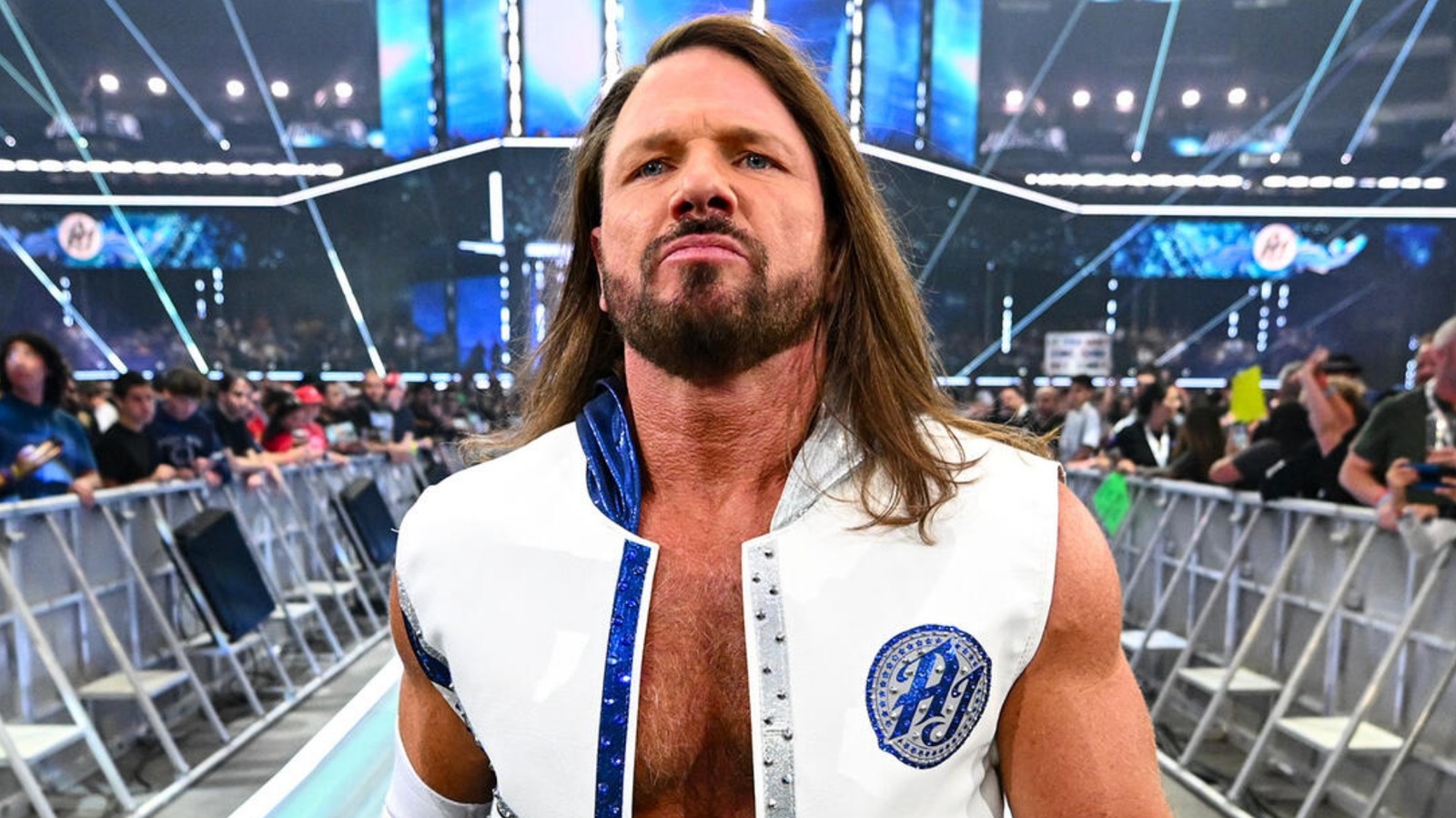
AJ Styles is reflecting on his legacy while others look elsewhere
41 minutes ago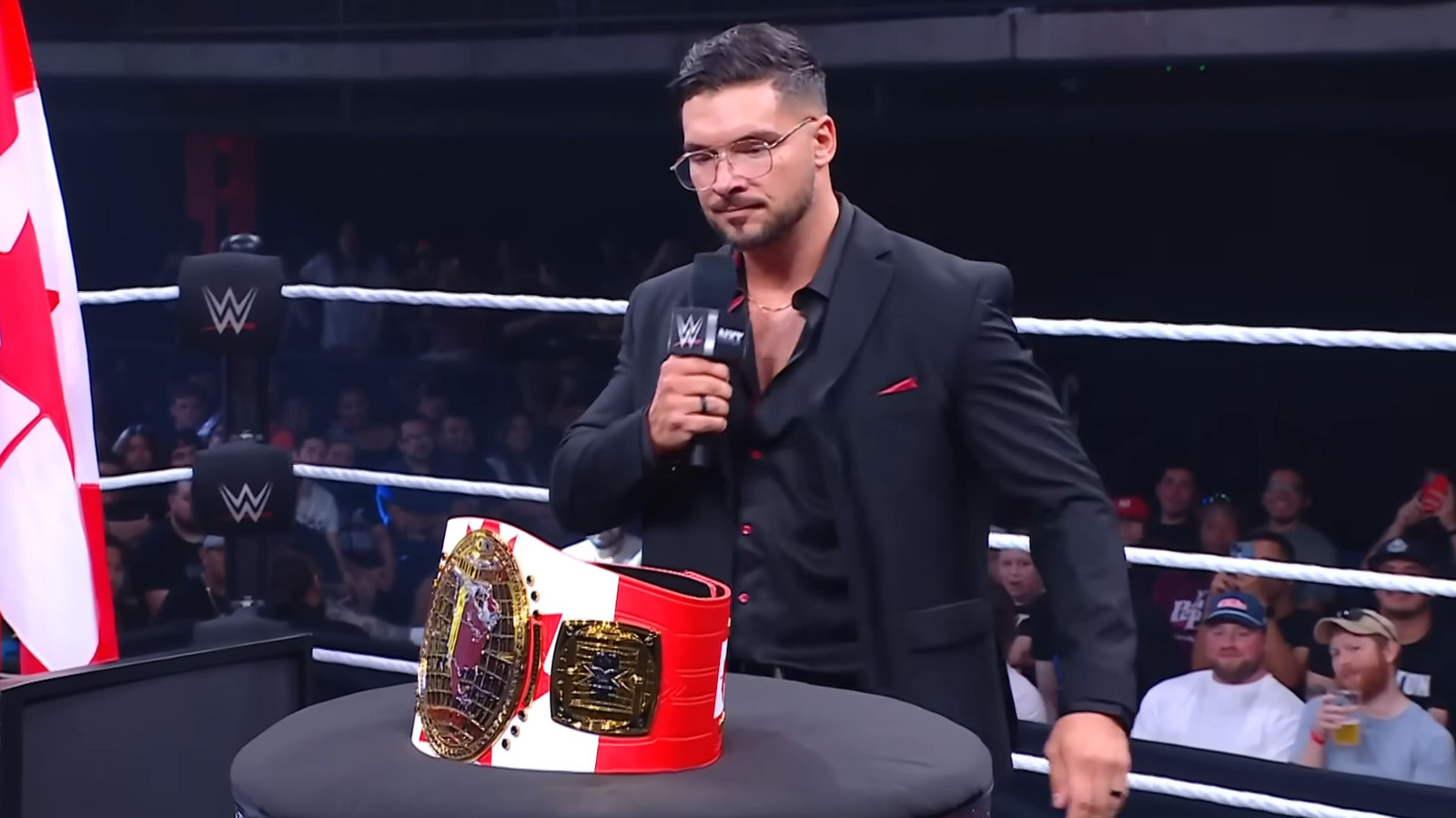
Ethan Page is playing a dangerous game with his ego in NXT
52 minutes ago
Ethan Page says his custom NXT title was the real top prize and fans are split
52 minutes agoGear Check: Sorting the Must-Haves from the Merch Table Filler
an hour agoMore Analysis
WWE’s NJPW shopping spree creates a depth problem
2 months, 1 week ago
WWE's latest hiring spree is a tactical pivot, not a talent dump
1 week, 3 days ago
WWE’s poaching strategy is shifting toward NJPW imports
2 months, 1 week ago
WWE continues its aggressive shopping spree for NJPW talent
2 months, 1 week ago
WWE buying AAA is a data play disguised as a regional expansion
1 month, 2 weeks ago