The shadow behind the curtain
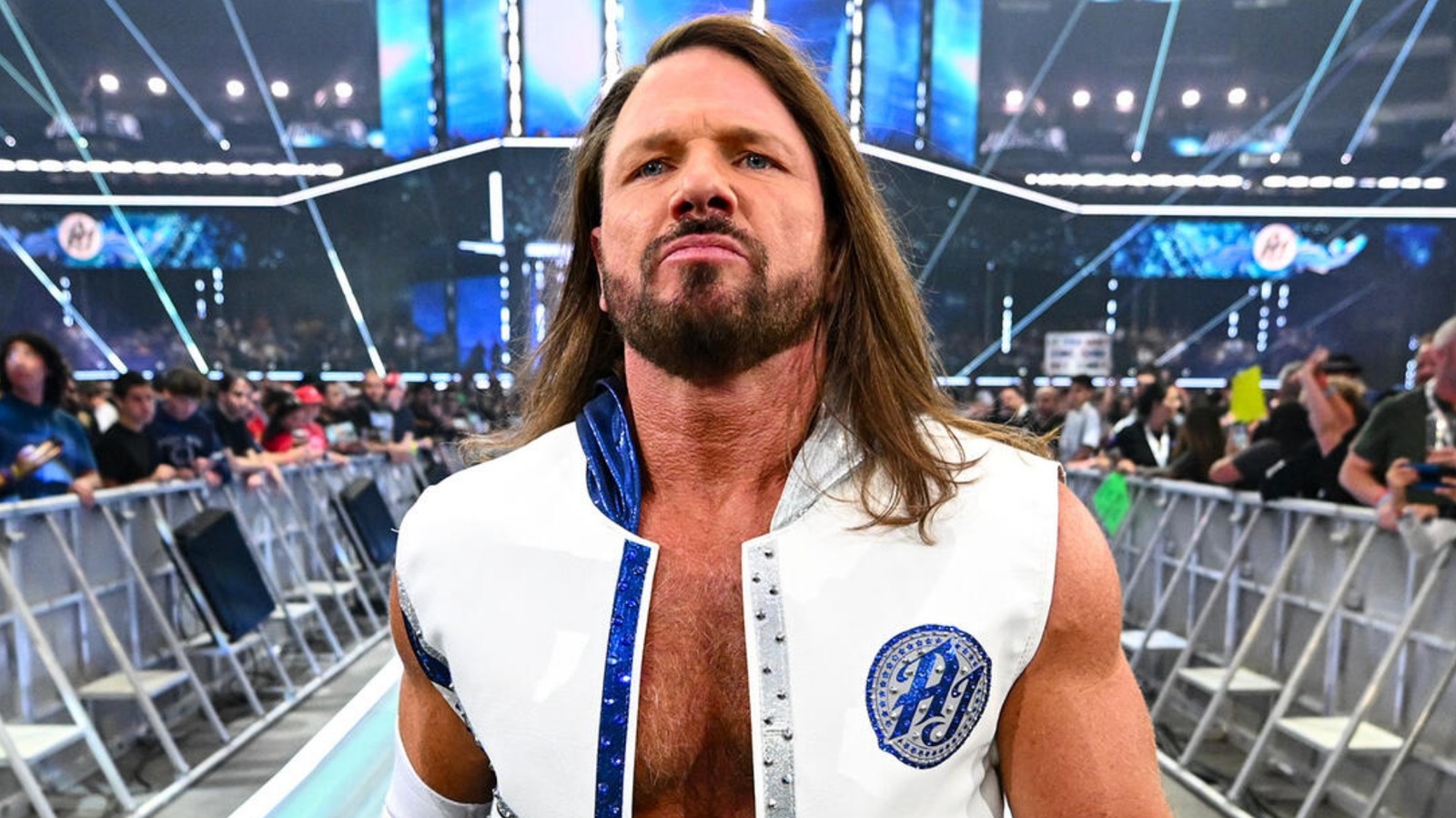
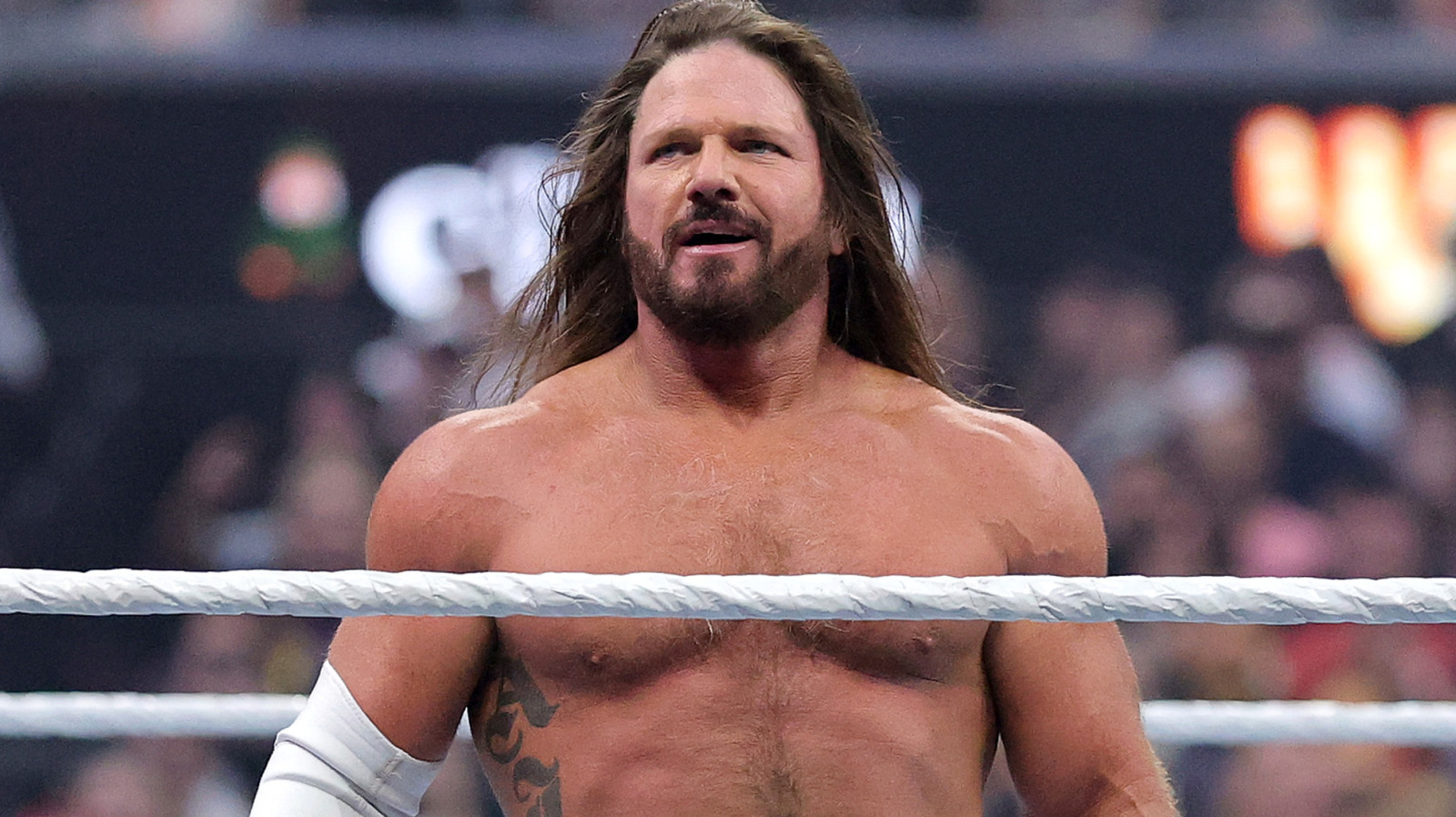
AJ Styles has spent years as a pillar for WWE, but he recently pulled back the veil on a long-standing vulnerability. In a candid conversation triggered by the trending news about Sheamus potentially exiting the company, Styles admitted to a professional insecurity that defined his frame of mind. The Phenomenal One has always been viewed as a standard-setter for in-ring quality, but his own internal clock told a different story. He lived with the recurring fear that his window of physical relevance was constantly closing.
This anxiety is common among veterans, but Styles explicitly linked his mindset to the rapid turnover within the roster. He acknowledged that watching peers like Sheamus prepare for life outside the promotion acts as a mirror for his own career mortality. The industry grind rarely allows for sentimentality, and Styles noted that the constant pressure to deliver high-octane matches takes a heavy toll.
The weight of the schedule
Styles has maintained a blistering pace since his 2016 debut, evolving from a standalone spectacle to a reliable utility player for the brand. However, the physical cost of his signature style—specifically his aerial arsenal and frequent reliance on the Phenomenal Forearm—has invited criticism regarding his long-term durability. His admission suggests that he was performing under the impression that each contract could potentially be his final one.
The current climate involving talent departures has clearly rattled the veteran core of the locker room. As recent reports suggest, the uncertainty surrounding long-term roster stability is no longer just a rumor. For someone of Styles' stature, the fear wasn't about missing a paycheck; it was about losing the ability to keep pace with an increasingly younger and faster generation of talent.
I lived in fear that the call would come and my body just wouldn't be able to keep up with the demands anymore.
The sentiment is telling. It highlights a disconnect between the polished product seen on television and the reality faced by talent in their late 40s. Styles' reliance on technical precision was meant to mitigate this fear, but the psychological stress remained a constant factor throughout his tenure.
Critical assessment of the veteran outlook
While Styles remains a top-tier performer, this admission illuminates a systemic issue within the company's booking strategy. There is a glaring lack of a proper runway for legacy stars to transition into non-wrestling roles without feeling disposable. By forcing performers to constantly justify their roster spot through grueling physical outputs, management creates a climate where veterans essentially look for the exit door before their utility actually expires.
It is a mistake to view every veteran exit as a natural conclusion. The industry often treats these wrestlers as short-term assets rather than long-term fixtures, leading to the exact brand of insecurity Styles described. If his fear was indeed that his body would fail him, it raises real questions about the current standards of talent care. The focus on high-impact television spots at the expense of longevity is a model that is starting to show significant cracks.
Looking ahead, Styles’ perspective serves as a warning for how the company handles its aging stars. If a performer as decorated and respected as Styles spent his career looking over his shoulder for a replacement, it confirms that the culture of the promotion remains hyper-focused on the next big cycle rather than the current one. This creates a volatile environment where the fear of obsolescence often leads to unnecessary over-exertion in the ring.
The discourse on this subject follows a high-profile sequence of roster changes that have made talent contracts a hot topic of conversation. The fear AJ Styles describes is not unique to him; it is a shared reality by many in the locker room. His vulnerability in this interview suggests that the professional wrestling industry is undergoing a shift where talent is finally starting to vocalize the pressure of the 365-day a year grind. Styles has been safe thus far, but the concern persists.
We have to look at the numbers and the output. Styles has kept a pace that would break most athletes half his age, but he paid for it with this mental exhaustion. Whether he chooses to lean into a lighter schedule or eventually transition to a different side of the business, it is clear that he is no longer willing to hide that he has been running on fumes. He has earned the right to step back, but the company's reliance on him makes such a transition seem unlikely in the 2026 calendar year. The clock is finally catching up.