The politics behind the push
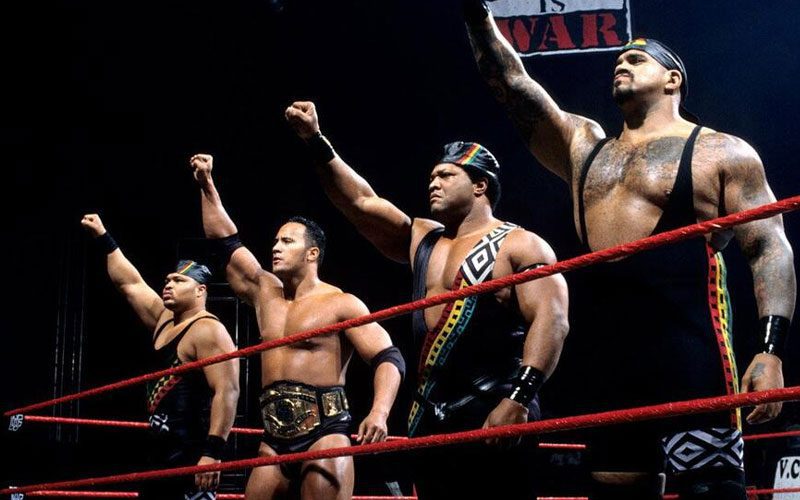
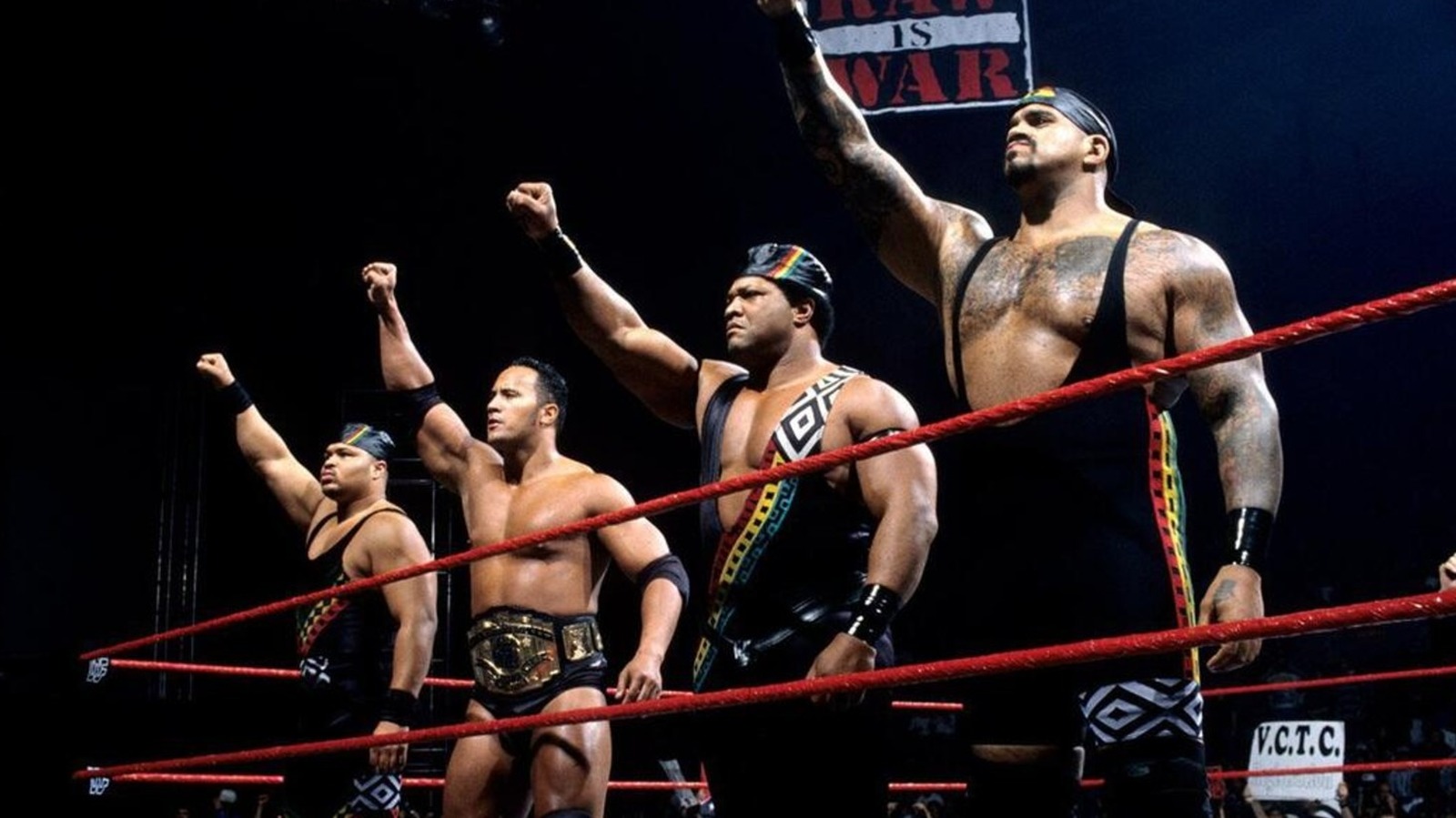
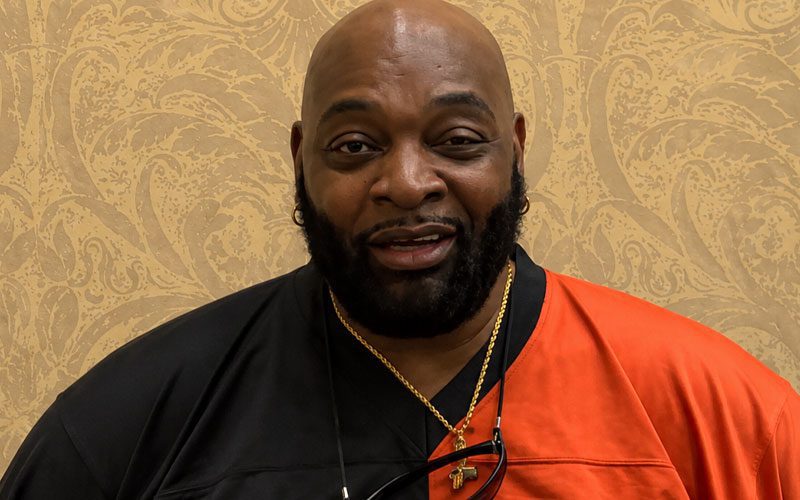
Ahmed Johnson remains a polarizing figure in professional wrestling. His recent comments regarding rampant locker room jealousy during his main event run in the mid-90s force us to reconsider how we view historical card placement. During his time with the Nation of Domination and his subsequent solo push, Johnson was a physical anomaly. He possessed legitimate size that made his transition from football to the ring appear seamless.
Yet, the retrospective claim that his peers were sabotaging his success because of his rapid elevation is difficult to parse. In an era famously defined by shifting alliances and rigid hierarchies, Johnson was hitting his stride precisely when the industry began its transition toward more complex character work. If his colleagues were indeed resentful, it speaks to a fundamental insecurity prevalent in the locker room at that time.
Evaluating the physical credentials
Let's look at the actual in-ring output. Johnson was not a technician, but he provided a high-impact style that contrasted with the more deliberate pace of his contemporaries. His Pearl River Plunge was technically impressive, yet the frequency of injuries he sustained during that period suggests his body could not fully sustain the impact of his own explosive offense.
This is where the criticism of his career arc holds weight. A wrestler who frequently finds themselves sidelined by trauma often loses the momentum required to maintain a main event spot. Blaming peer jealousy for a stalled push ignores the locker room environment that prioritized durability above all else. When you are the one taking the most bumps, you do not just need to be over with the fans—you need to be reliable for the company.
The cost of being the outlier
The core issue here is the discrepancy between athletic potential and political capital. Johnson was marketed as the next big thing, but his history indicates an inability to navigate the backroom politics that dictate who stays on the poster. Being a standout athlete is insufficient if you lack the alliances needed to secure your spot when the bookers change their minds.
His career is a cautionary tale of individual talent clashing with corporate constraints. He was pushed hard in a market that demanded iron-clad consistency. The jealousy he cites might have been real, but it remains a secondary factor compared to his repeated absences. We see this dynamic play out again and again whenever a new talent receives a major boost without the necessary time logged in the trenches.
The bottom line
My prediction for the legacy of this era? Ahmed Johnson will be remembered as a physical specimen whose career was bookended by missed opportunities rather than just backstage bitterness. His run was hampered by an accumulation of injuries that effectively ended his chances before they peaked. If you look at the 1996 King of the Ring tournament results, you see a period where he was clearly being positioned for greatness, yet he lacked the support structure to capitalize on it. I suspect the jealousy was real, but it was merely a symptom of a crumbling locker room, not the cause of his downfall.