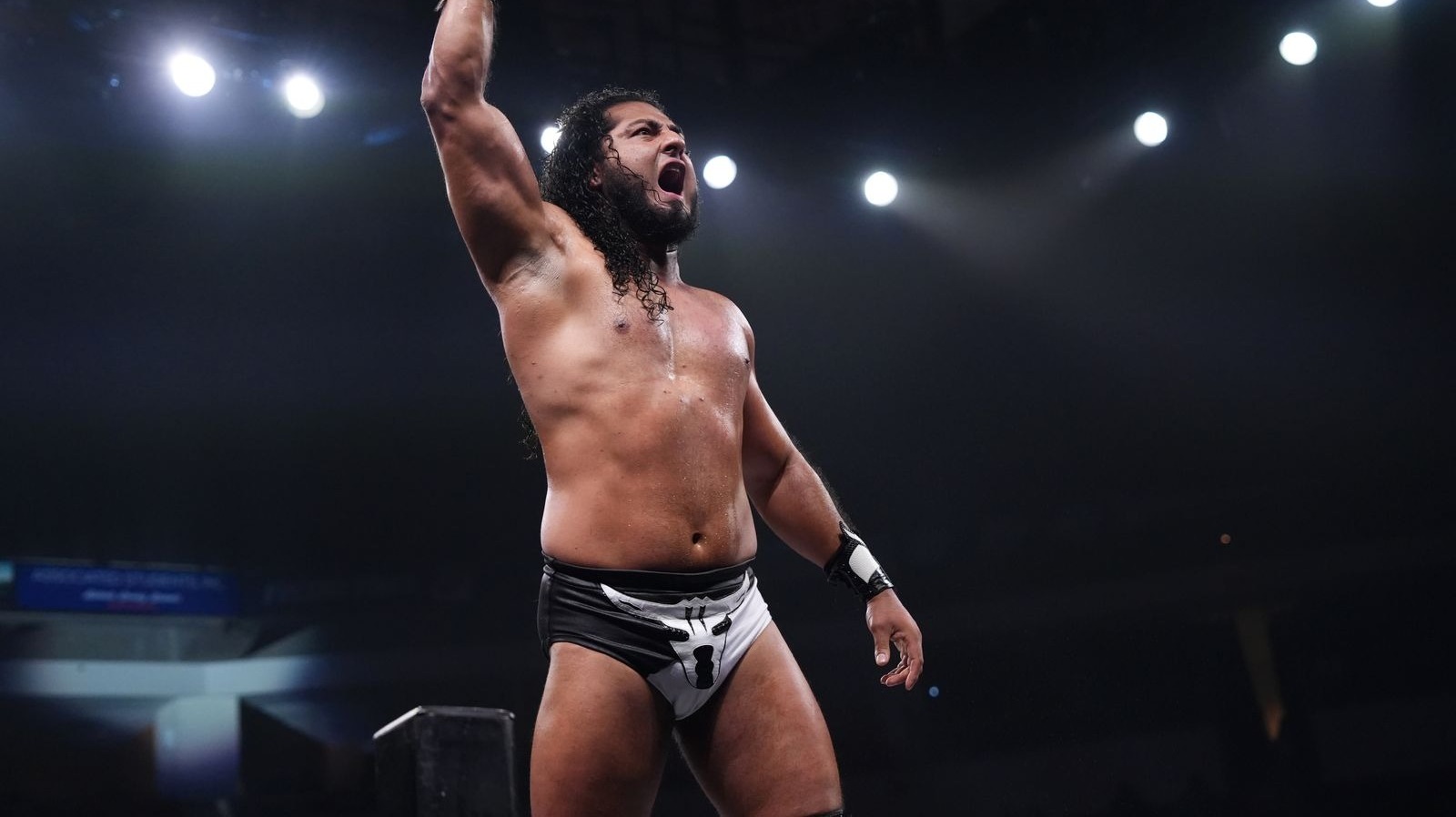
The stakes for the Redemption cycle
AEW is positioning Redemption as a pivotal reset. Tickets for the pay-per-view went on sale today, and the internal strategy appears rooted in high-stakes individual matchups rather than tag-team chaos. The current direction suggests a pivot toward punishing, singular conflicts designed to test technical fundamentals.
The move to prioritize individual profiles reflects a defensive posture. By isolating top-tier talent in spotlight bouts, the company is attempting to stabilize the card’s narrative flow. It is a necessary shift following a period where multiperson matches often diluted the impact of primary storylines.
MJF and Rush represent a clash of philosophy
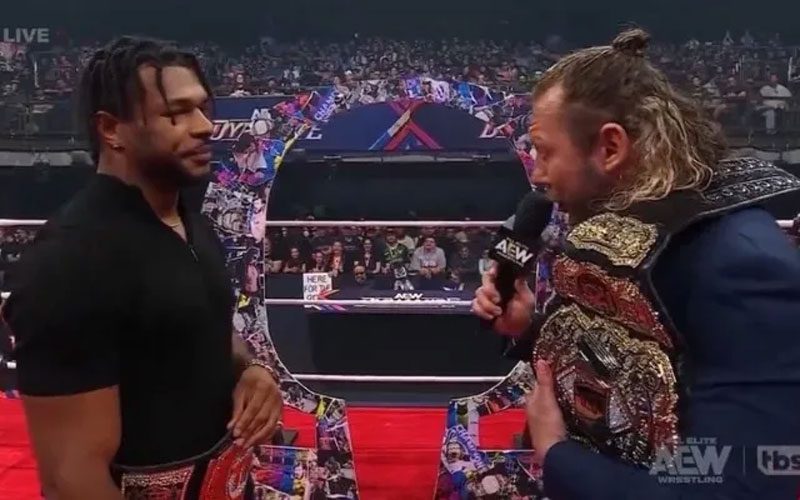
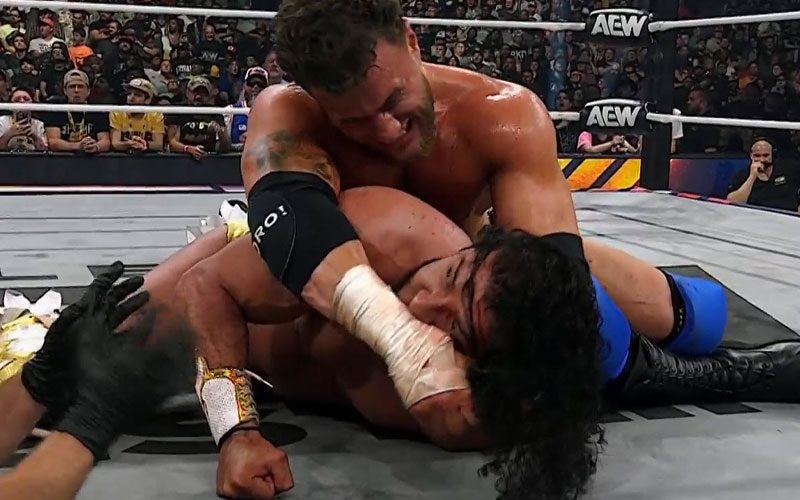
This week, the promotion centers its television broadcast around the intersection of two distinct in-ring styles. MJF against Rush serves as a diagnostic for the current roster’s efficiency. On one side, MJF utilizes calculated psychological heat and opportunistic positioning; on the other, Rush relies on a frantic, high-contact pace that forces his opponent to react rather than initiate.
Watching the proceedings on Dynamite, the metric for success will be the transition from technical sequences to high-impact transitions. Rush has historically struggled with pacing when forced to slow down, often rushing his own setups. If MJF keeps the contest within a 12-minute window, he maintains control of the narrative. If the match extends beyond that, the risk of technical regression increases.
The booking flaw
One glaring concern persists regarding this build. Relying on marquee singles matches to draw interest is a classic tactic, yet it masks a lack of secondary story development. We have seen these talent profiles collide before without tangible progression in the rankings or long-standing rivalries. Booking a high-intensity bout on free television is exciting for the short term, but it frequently cannibalizes the potential for future PPV stakes.
There is also the physical toll to consider. Rush thrives on strikes that lean toward stiff, and MJF is coming off a schedule that has left him selling minor mobility issues. If the medical reports from earlier this spring hold true regarding his hip, we should watch for a lack of verticality in his offensive output. He will likely rely on a tight waist-lock game and elevated ring awareness to avoid taking unnecessary bumps.
Strategic expectations
Expect a condensed, high-leverage opening sequence. I predict a methodical first half, followed by an aggressive push toward a count-out or interference-heavy finish. The booking staff isn't going to have MJF lose clean to Rush unless they intend to run this back as a main event at Redemption. The most probable outcome is a non-definitive ending that keeps the crowd invested while preserving the status of both participants.
My prediction for the Dynamite encounter: a 20-minute drag that ends in a schmoz. It keeps the tension high without pinning either talent to a permanent loss. It is the safe, tactical move that prioritizes the bottom line over a definitive resolution.
Read Next
- Mick Foley’s AEW debut signals a shift in creative expectations
- AEW turns to a Ring of Honor gimmick to save the TBS title picture
- The IWC is absolutely losing its mind over the latest title landscape
- Konosuke Takeshita is the most dangerous worker in AEW right now
- ⚡ AEW Dynasty 2026 — Full Coverage Hub