The Redemption card looks like a booking masterclass
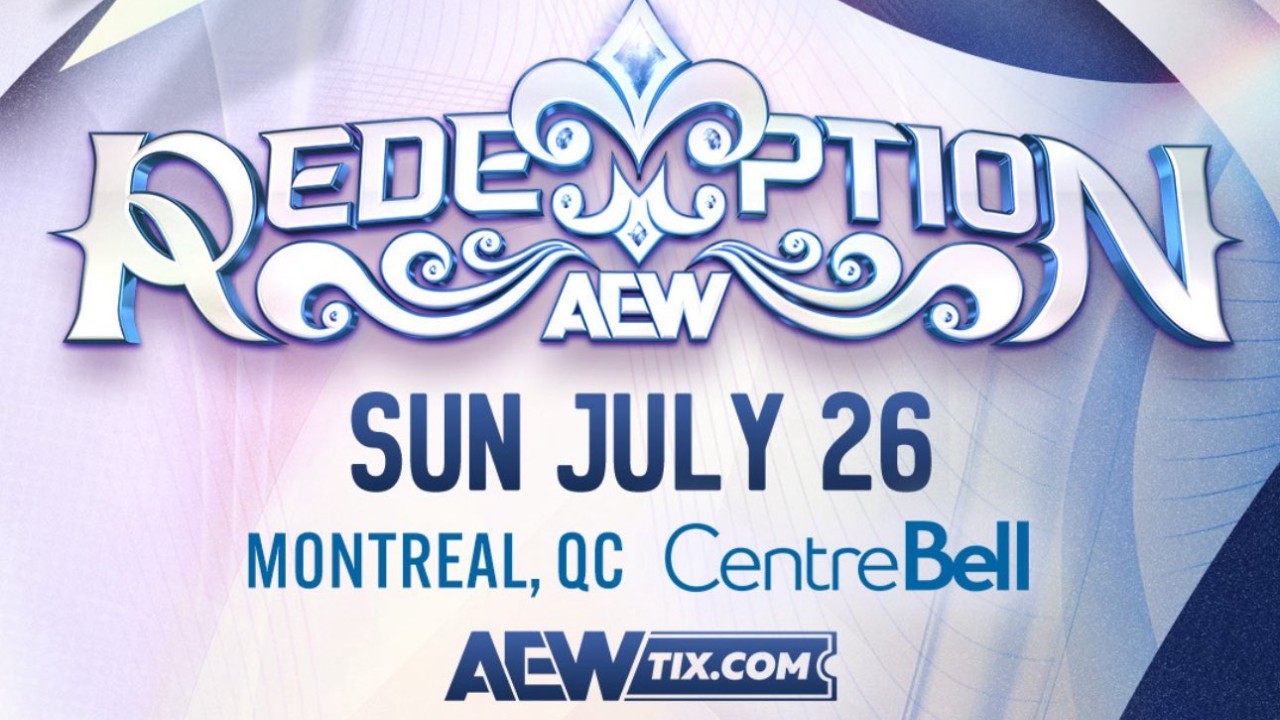
AEW Redemption is shaping up to be the most technically coherent show Tony Khan has put together in 18 months. By stripping away extraneous segments, the card focuses on high-stakes singles matches with actual narrative tension. The reported lineup, as noted by PWInsider, indicates a pivot toward work-rate heavy main events rather than the chaotic multi-man clutter that defined last year's quarterly specials.
The shift is visible in the pacing of the announced bouts. We are seeing a move away from the spot-heavy approach that plagued recent PPVs, focusing instead on limb work and heat-seeking psychology. This development feels like a reaction to the mid-2025 slump where crowd engagement dipped during the second hour of shows. Khan seems tired of the criticisms that his shows lack a coherent middle act.
Predicting the main event outcome
I am locking in a victory for the contender in the primary championship match. The current booking trajectory relies on a babyface chase that has been handled with surprising patience. If you look at their last three televised encounters, the champion has kept the title by relying on run-ins and cheap finishes. That sequence creates an expectation for a clean payoff.
My call is a decisive finish in the 22-minute mark. Expect the champion to attempt a pin with feet on the ropes, only to have the official catch the infraction. This setup allows for a finish that protects the loser's standing while providing the challenger with a clean win. The booking signals that management wants a fresh direction for the title picture ahead of the fall tour.
The hidden flaw in the plan
Despite the improved card structure, there is a glaring hole in the undercard depth. The mid-card titles are being treated as props for upcoming tournament qualifiers rather than legitimate targets for the talent on the roster. It dilutes the stakes when a title contender spends two weeks qualifying for a shot they have already technically earned through a rankings system.
Ignoring the win-loss record as a booking tool was a mistake early on, and it continues to haunt the periphery of these shows. If a wrestler is 14-2 on the year, they should not be wrestling a cold opener in a 5-minute squash match. It’s a waste of roster equity. If they want to sustain this momentum, they need to align the weekly storytelling with the math behind the rankings.
Ultimately, this show will be remembered for the main event and likely very little else. The wrestling quality will be high, but the lack of secondary stories that actually matter is an anchor around their neck. I expect a strong rating for the buy-rate, but the long-term retention depends on whether they commit to the new faces being elevated in the main event slots. They are heading in the right direction, but the booking team remains remarkably inconsistent with their mid-card projects.