The inevitable lure of the free agent market
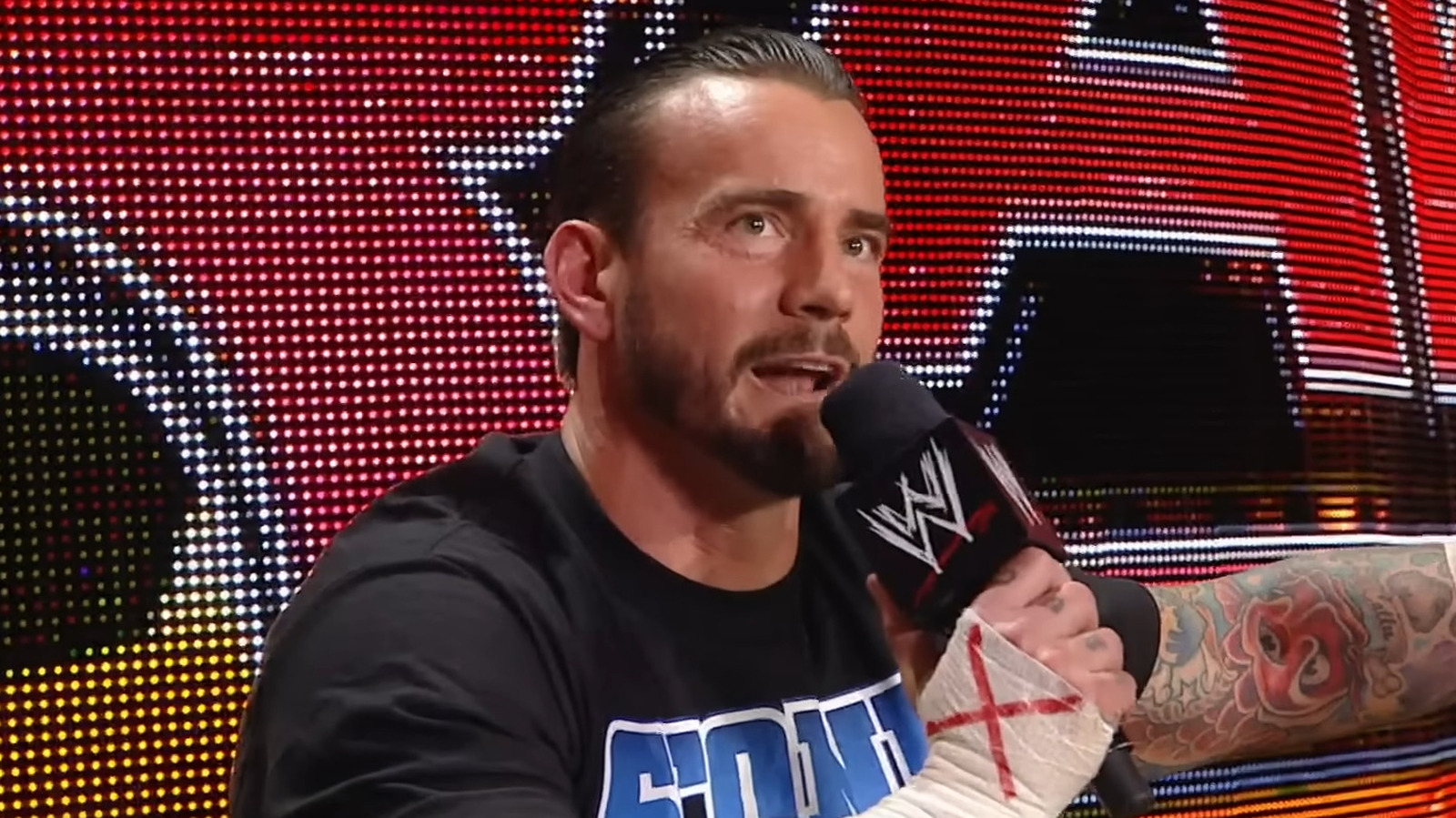
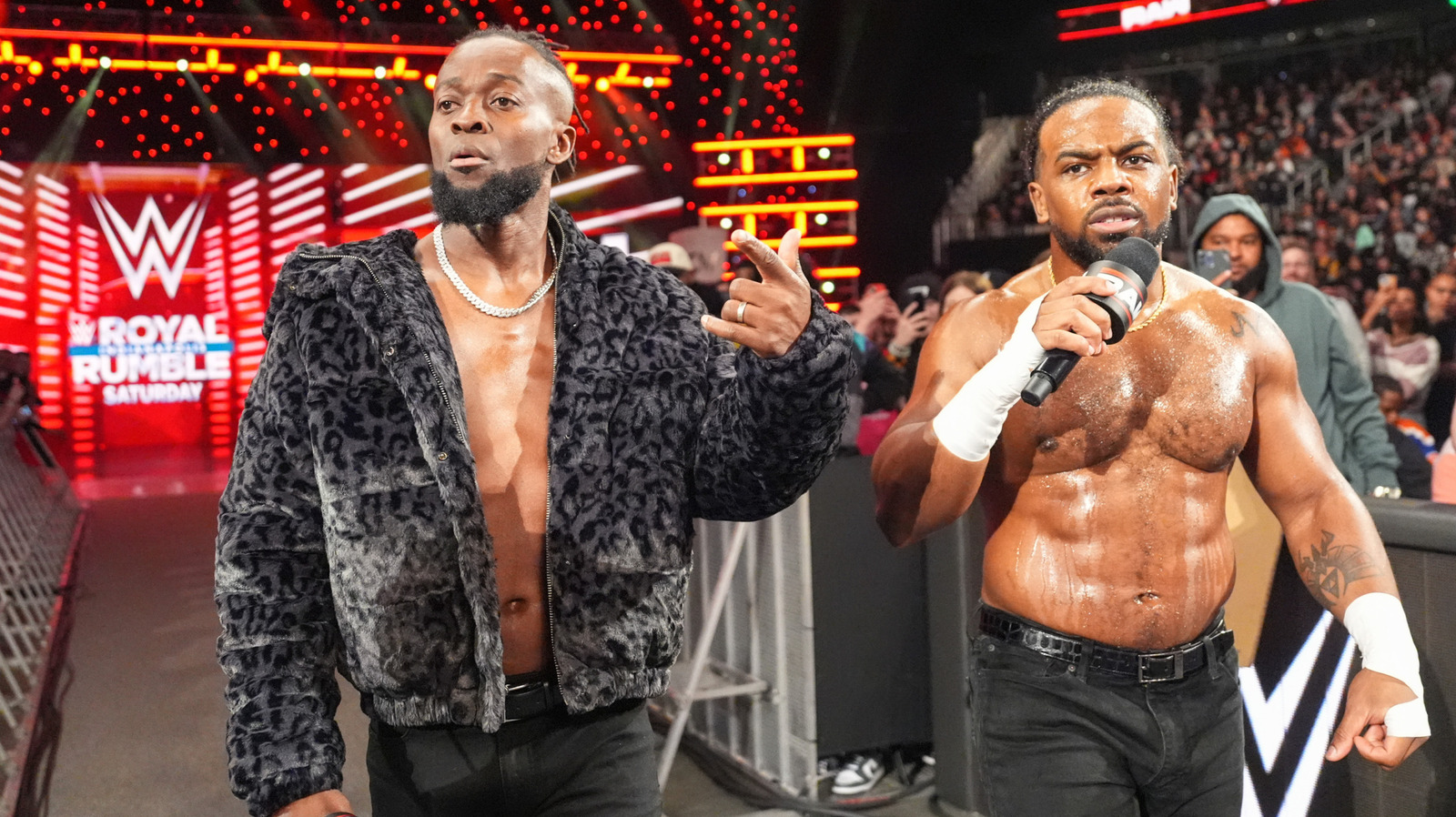
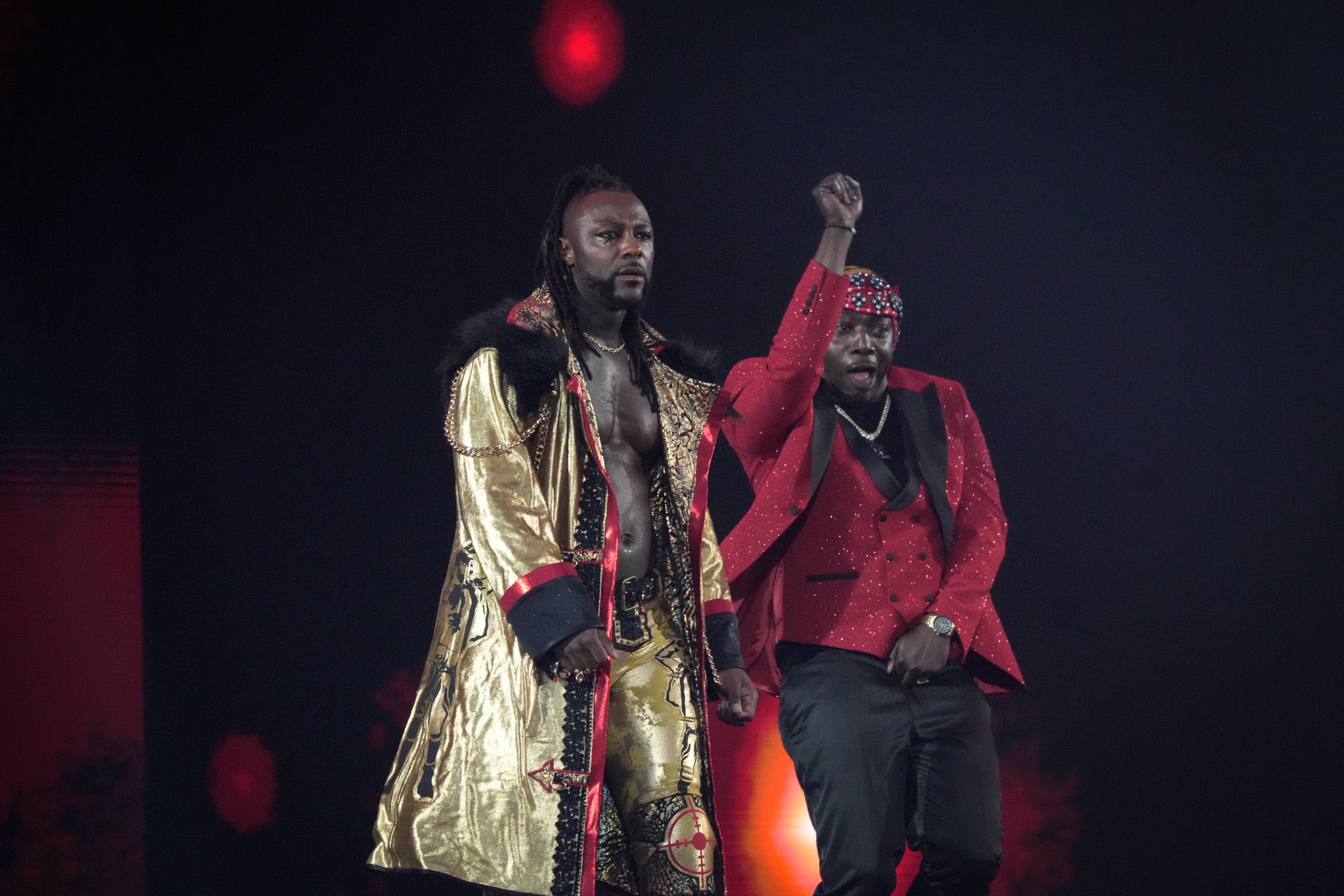
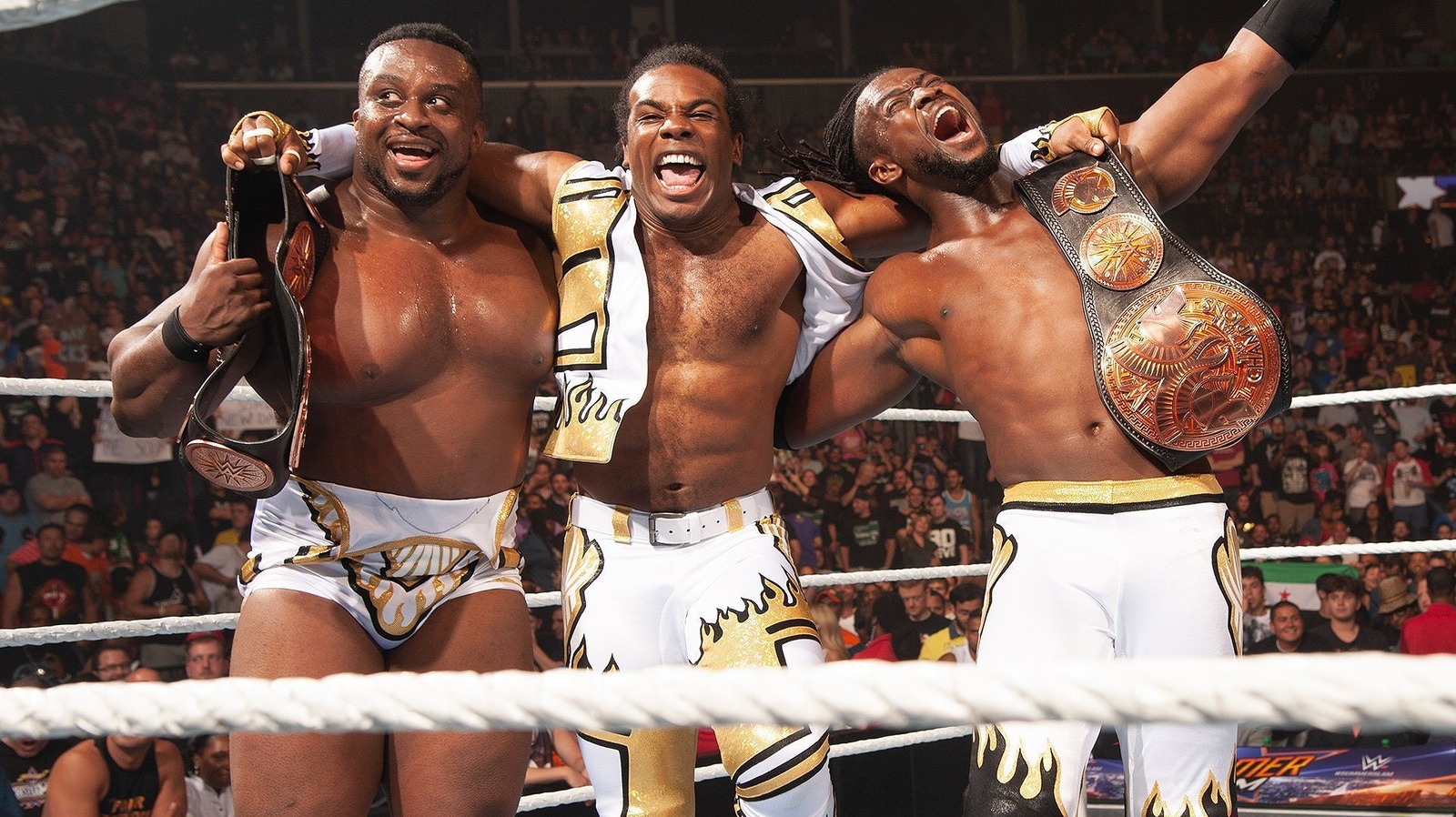
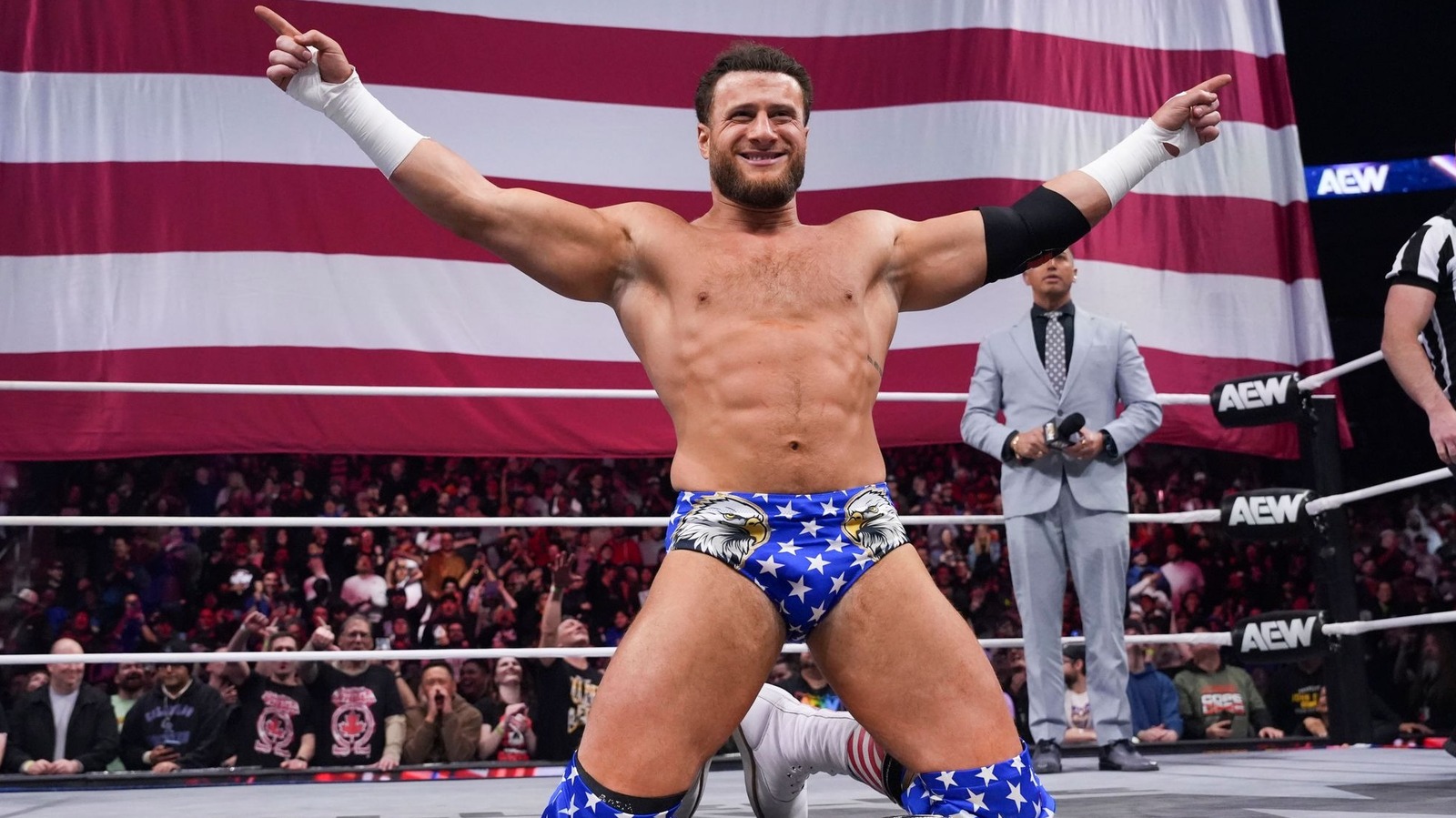
The recent departures of Kofi Kingston and Xavier Woods from WWE have sent the rumor mill into overdrive. Predictably, MJF has publicly weighed in on the prospect of seeing the duo in All Elite Wrestling, labeling them as incredible additions. He isn't wrong about their technical proficiency or their established chemistry, but the focus on signing external talent feels like a distraction from deeper organizational issues.
We are currently operating at a moment where AEW is navigating the WBD acquisition by Paramount. While MJF remains outwardly confident that the promotion will land on its feet regardless of corporate shifts, the administrative uncertainty should command more urgency than fantasy booking a reunion of The New Day under a different banner.
The cost of chasing headlines
As Tyler Breeze recently noted regarding Xavier Woods, the former WWE star is currently just chilling following his exit. It is a reasonable stance for someone who has spent years on the road, yet AEW fans are already clamoring for a high-profile debut. The obsession with headline-grabbing signings has become a crutch for a mid-card that lacks consistent narrative direction.
There is a recurring pattern here: identifying talented individuals who have hit a ceiling or faced pay cuts in their previous environment and imagining they will solve fundamental pacing problems. However, the roster is already bloated. Bringing in more veterans without a clear strategy for utilization will only exacerbate the booking logjam that has plagued the product throughout May.
Tactical reality versus public bravado
Look at the math. AEW has a deep rotation, often rotating talent in and out without sufficient angle progression. If Kingston and Woods arrive, who gets pushed to the back of the line? We saw these same booking patterns during the public discourse regarding pay cuts, and relying on former WWE champions to spike ratings is a short-term hedge against a structural deficit.
The criticism regarding their recent output is fair: the confirmed departures suggest a shift in how legacy talent is valued, but it also reflects a lack of long-term vision within their previous home. Replacing one system's castoffs with another's does not constitute a creative evolution. It is simply shifting the pieces on a board where the game is already stalled.
My prediction for the coming months is clear. The front office will eventually secure at least one of these high-profile free agents to generate a short-term pop, but it will fail to address the lack of distinct character work currently hindering the undercard. They need to stop looking at who else is available and start focusing on the talent currently failing to connect with the audience on a weekly basis. Chasing legacy names is a distraction that the company can no longer afford while the broadcast rights are in flux.