The locker room stands united
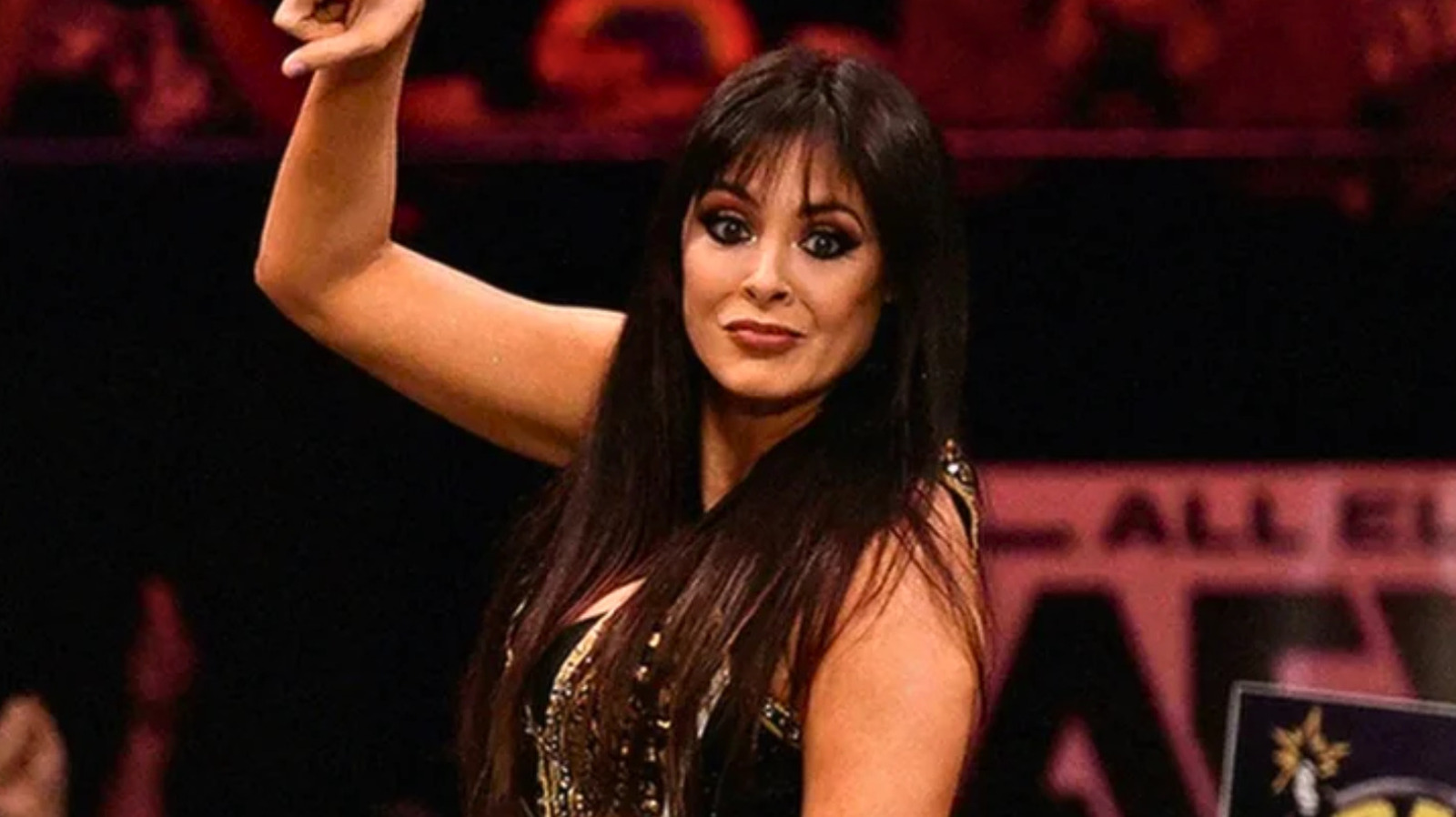
Professional wrestling is usually a meat grinder of kayfabe beefs, bad booking decisions, and Twitter wars that make high school drama look like a MENSA meeting. But every once in a while, the reality of life hits the industry like an unprotected chair shot to the skull. When Rebel announced her terminal ALS diagnosis last month, the usual tribalism that plagues the internet vanished for a fleeting moment.
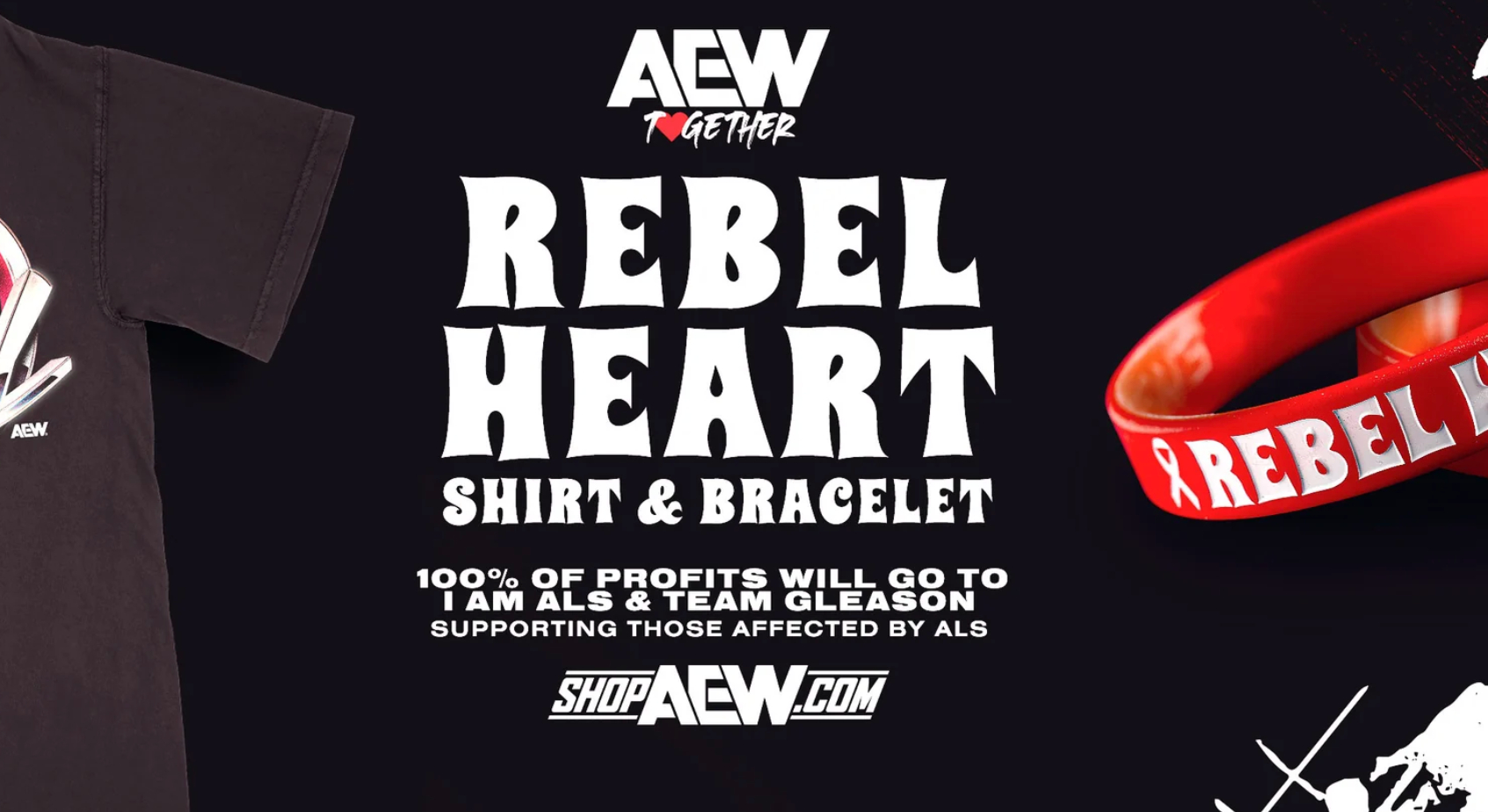
AEW is now turning that outpour of concern into something tangible by launching charity merchandise to benefit ALS research. It is a standard move for a major promotion, but in this case, it feels less like a corporate tax write-off and more like a genuine nod to someone who has been a fixture behind the scenes and in front of the camera.
The wrestling hive mind reacts
If you head over to the usual digital watering holes, you see a mix of raw emotion and the inevitable, weirdly clinical debates. You’ve got the enthusiasts who are already buying up the shirts, treating the purchase as a badge of honor to show they support the human beings behind the characters. Then you have the skeptics, who look at any company-branded charity effort with the side-eye of a poker player looking for a tell.
Some vocal fans on the subreddits are questioning why the promotion took a full month to mobilize a merchandise line, arguing that the PR machine should have been running on day one. These contrarians usually frame the delay as a symptom of a bloated organization, claiming that in a sport defined by speed and impact, the response time here was glacially slow. It is the classic “too little, too late” argument that pops up whenever a corporation tries to handle a medical crisis.
On the flip side, the defenders of the move argue that logistics for charity partnerships—especially with medical nonprofits—are a bureaucratic nightmare that doesn't just happen overnight. They point out that ensuring the money actually reaches the right organizations requires vetting that would make a compliance officer sweat. The consensus among the level-headed crowd is simple: who cares about the shipping time if the funds are going to a worthy cause?
My take on the optics
Listen, I’ve seen this industry handle tragedy with all the grace of a dumpster fire, so seeing AEW step up doesn't make me want to host a parade. But it is the right move, full stop. The real argument here isn't about the merch designs or which organizations they picked, but whether the fans actually show up with their wallets open. Slacktivism is the plague of our time, and if this merch sits in the store, the effort is for nothing.
As reported by Wrestling Inc, the initiative is backing two separate ALS organizations, which is a smart play to avoid putting all their eggs in one basket. However, let’s look at the actual engagement stats. We are talking about a community that will spend $80 on a pay-per-view without blinking. If this movement doesn't clear a significant donation threshold, it’s a failure of the fanbase, not just the marketing department.
Booking mistakes happen. Silly storylines happen. We can argue until we are blue in the face about who should be pushed or who has the best technical work rate in the ring, but this isn't that. This is the reality of a terminal prognosis in an industry that usually treats bodies as disposable output. Criticizing the speed of the rollout is valid, but ignoring the intent is just bad form. If you want to see how these things go when they are mishandled, just watch any of the disastrous PR pivots from the past decade of sports entertainment.
Why the skepticism persists
The skepticism comes from a place of burnout. We have spent years watching companies trot out "charity of the month" campaigns that feel hollow, designed only to distract from the latest scandal or tanking ratings. When you condition a fanbase to believe that everything is a work, sincerity is a hard sell.
Yet, Rebel’s situation cuts through the noise because it isn't an angle. It isn't a setup for a return to the ring or a plot device to gain heat for a heel. It is just life, and that is terrifyingly rare in a world built on scripted narratives. If AEW can keep the focus on the research and away from the corporate Twitter graphics, they might actually redeem themselves for some of the sillier things they’ve done lately.
For now, watch the social media metrics. If the community actually puts the money where their mouths are, we might see the start of a trend where these companies actually use their reach for something beyond just selling T-shirts with logos on them. If not, then we are just back to the status quo of arguing about three-counts while the world outside keeps turning.