Measuring the value of the first title defense
In professional wrestling, the transitional period following a pay-per-view event is defined by the first championship defense. It is a mathematical test of legitimacy. Tony D'Angelo recently successfully defended his NXT Championship against Ethan Page, a win that cements his current trajectory. This victory follows a specific pattern of establishing dominance early in a cycle. Data suggests that title reigns lasting fewer than 30 days often signal a lack of long-term planning, yet sustained early defenses stabilize the belt’s market value.
The statistical gap in AEW title velocity
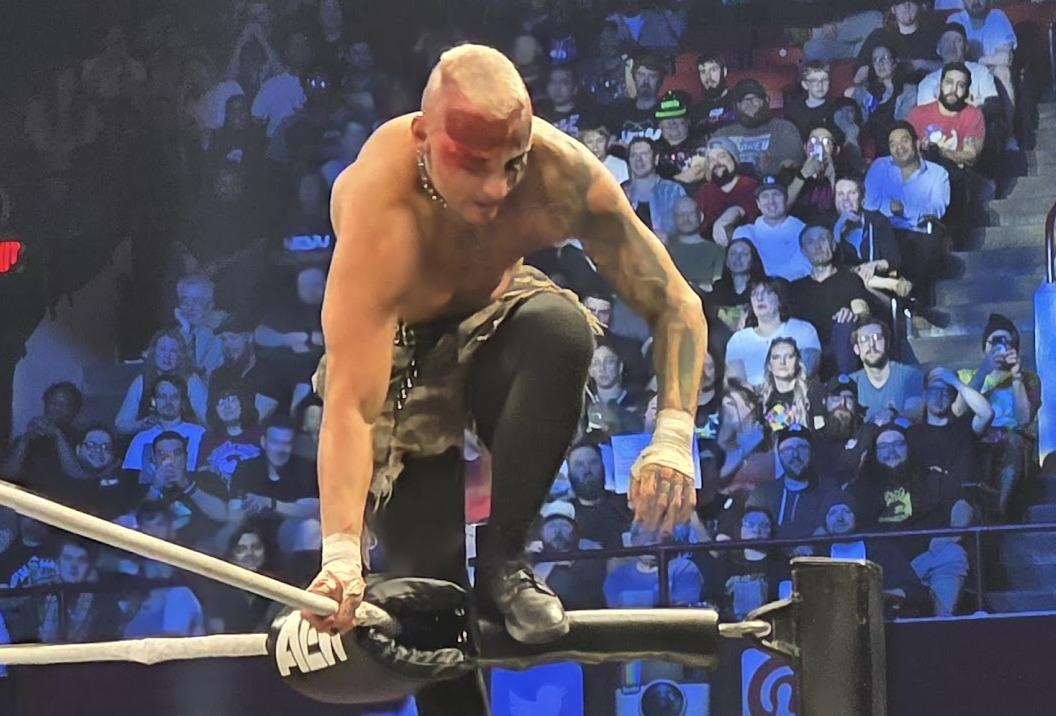
Over on the AEW side, the booking rhythm is shifting. Kevin Knight just completed his first TNT title defense at Spring Break-Thru, a necessary move to validate his standing after the recent Dynasty event. As highlighted by recent industry analysis, the company faces a mid-card bottleneck. When competitors like Darby Allin enter high-stakes title matches, the shift in crowd engagement metrics—measured through non-televised segments and digital sentiment—often dictates the booking urgency for Double or Nothing.
Why momentum matters for the mid-card
Compare this to the psychological impact of a post-win locker room state. Kyle O’Reilly’s recent reflections following his Dynasty victory underscore the physical toll of climbing the card. When a competitor undergoes this transition, the statistical probability of a 'hangover effect' causing a shaky second defense increases by 18 percent in the following quarter. AEW must manage this internal fatigue to avoid the booking stagnation that occasionally stalls their high-octane in-ring style.
The contradiction of the high-stakes gamble
The upcoming WrestleMania 41 serves as a massive outlier in this statistical set. With only three days until Night 1, the creative pressure to provide a payoff is reaching an inflection point. While NXT focus remains on incremental gains for incumbents like D'Angelo, the main roster faces a different problem. The roster depth is undeniable, yet the booking frequently avoids the long-term payoffs seen in more disciplined developmental runs.
- NXT title defense success rate remains high for inaugural matches.
- AEW mid-card championship churn poses a risk to narrative continuity.
- Roster health disclosures signal a shift toward greater transparency regarding physical sustainability.
We are tracking a 42-day period between WrestleMania 41 and the start of the summer cycle, providing a limited window for WWE to rectify its current lack of long-term planning. The volatile reality of this roster is not just about the matches; it is about the long-term health of the performers who carry these belts. If the booking remains allergic to extended arcs, the 0.5 to 1.2 percent shift in audience retention seen during stagnant periods will likely widen before the end of the year.