The stagnant reality of the AEW main event picture
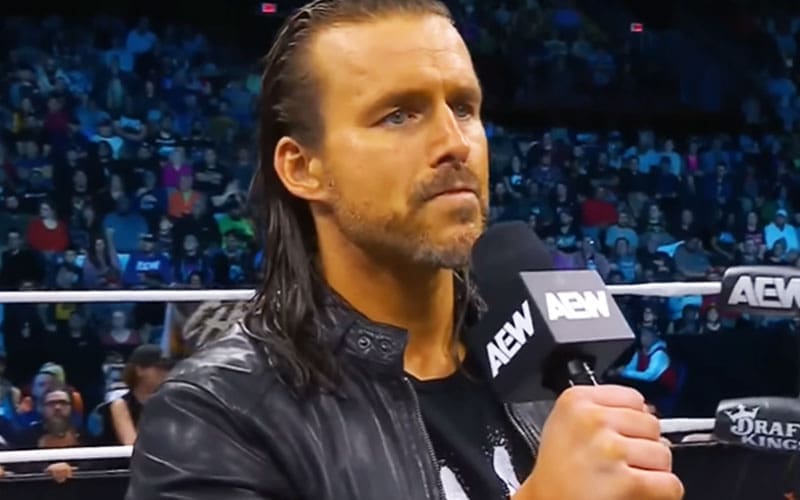
Adam Cole remains one of the most polarizing figures in professional wrestling. When he arrived in All Elite Wrestling, the expectation was a dominant run at the top of the card. Instead, we have witnessed a 24-month stretch defined more by medical bulletins than match quality.
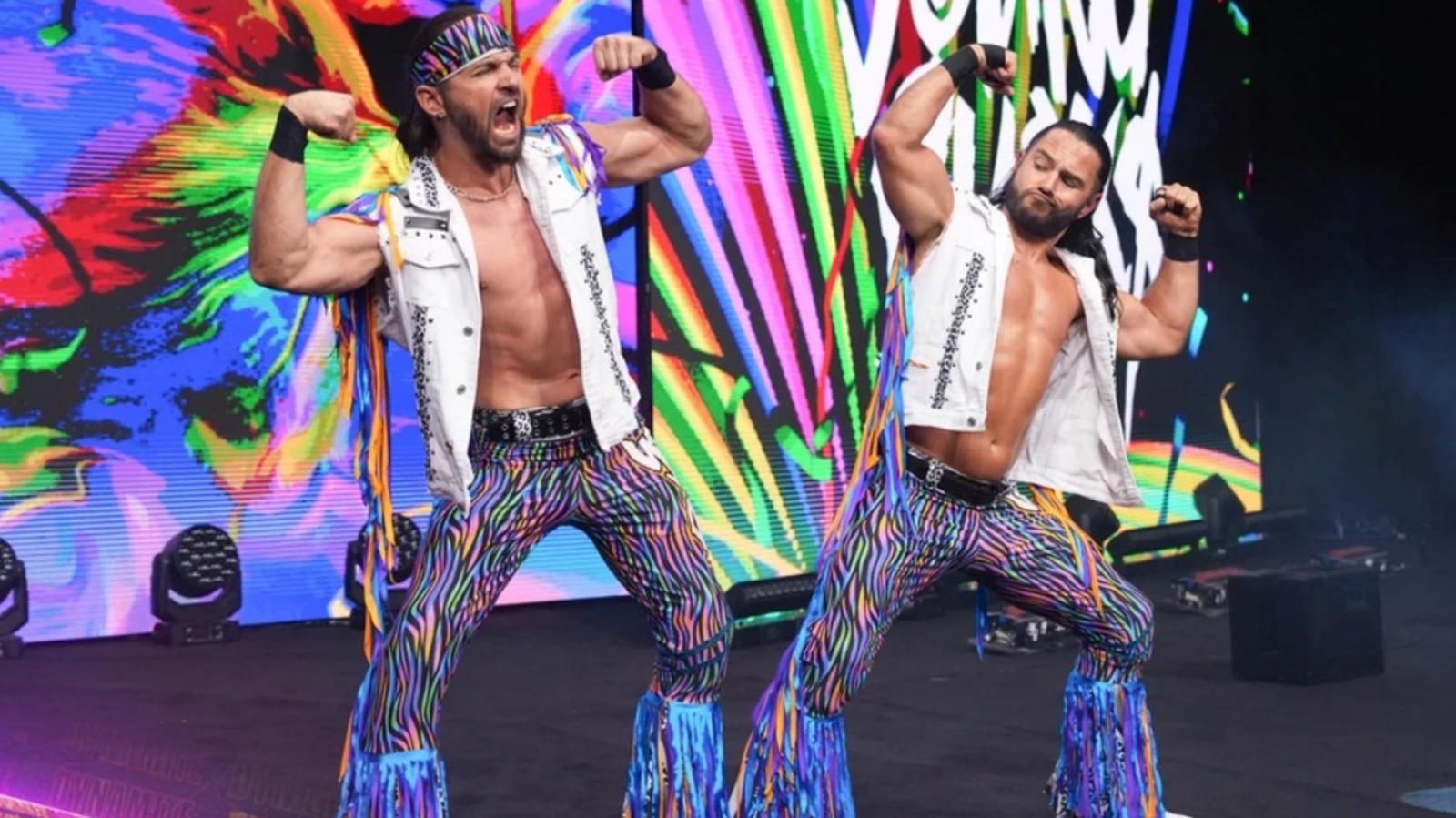
The latest updates from The Young Bucks via Ringside News offer a glimmer of optimism, yet seasoned observers should remain skeptical. Fans have heard the "encouraging update" refrain too many times while the kinetic energy of the division continues to dissipate without his presence.
Why the silence is deafening
Professional wrestling relies on momentum. Cole’s prolonged absence prevents the booking team from finalizing long-term story arcs. Without a clear timeline for his return, AEW is effectively running in place, waiting for a savior who may never reach the top gear he displayed during his initial run back in 2017.
There is a glaring flaw in how this situation has been managed. By keeping his status in constant flux, the company inhibits the elevation of new talent. Younger performers who should be occupying the main event spotlight are left in limbo, tethered to a narrative that never reaches a conclusion.
Tactical concerns for a potential return
When Cole does eventually step between the ropes, the game has changed. The style of offense required to compete at the elite level involves higher risk and greater physical stress. His reliance on the Panama Sunrise and repeated superkicks puts immense pressure on his neck and lower back.
If the medical staff fails to adjust his repertoire, we are looking at a repetitive cycle of injury and rehabilitation. The margin for error is non-existent. A high-impact maneuver might look effective on a highlight reel, but in reality, it shortens the careers of the most talented workers in the business significantly.
Final prediction for the road ahead
I anticipate the promotion will keep Cole in a non-wrestling capacity through the remainder of the summer. Expect a slow-burn return to screens by late August, followed by a transition into a managerial or mentor role before any actual competitive booking occurs.
It is statistically unlikely he maintains a full-time schedule for more than 3 months upon his return. Unless the booking team shows the discipline to pivot away from his signature high-impact spots, the cycle remains unbroken. My take? He moves to a specialized attraction status, appearing no more than 12 times per year to preserve what remains of his tenure.