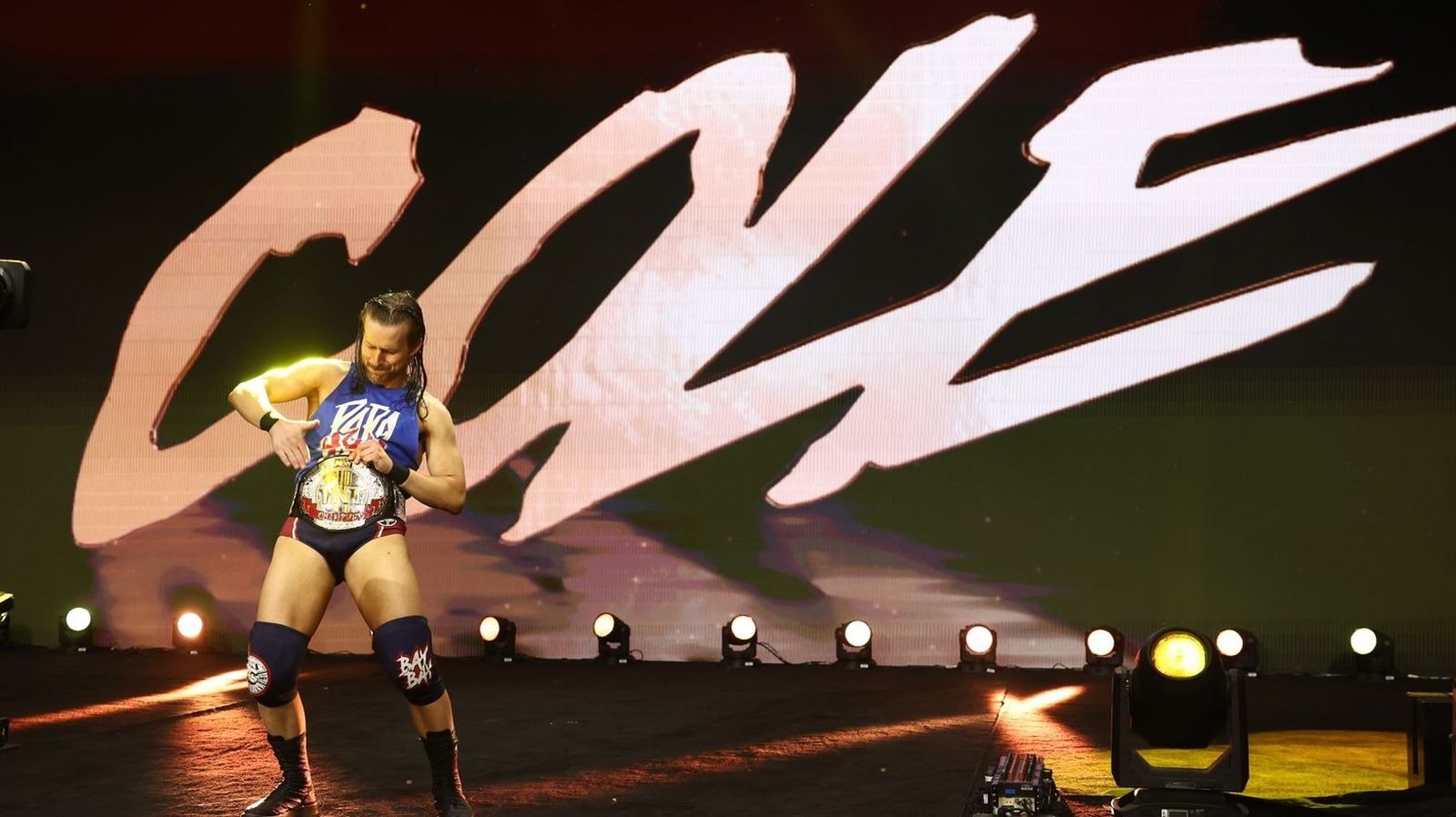
Adam Cole recovery watch continues with minimal progress
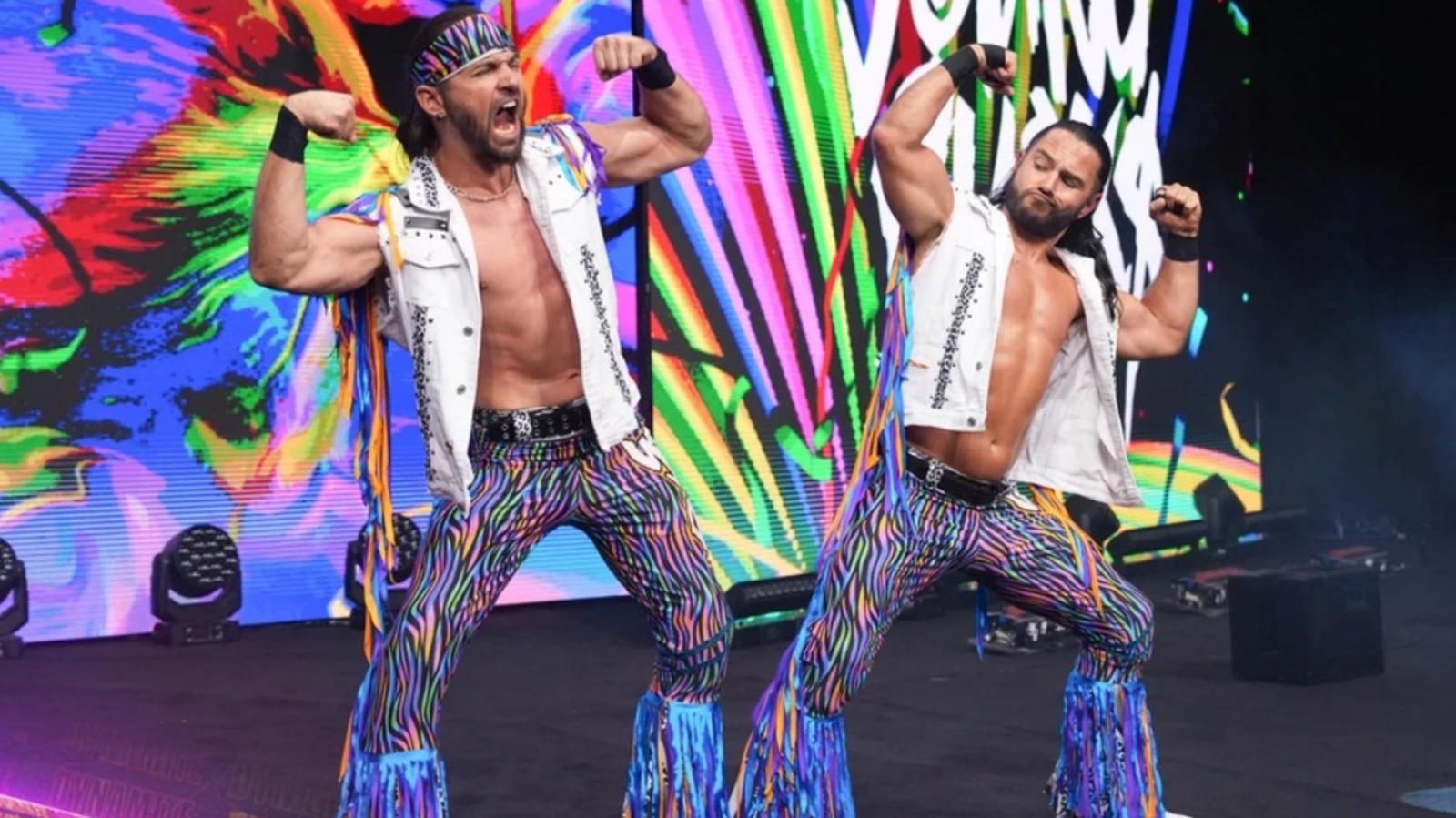
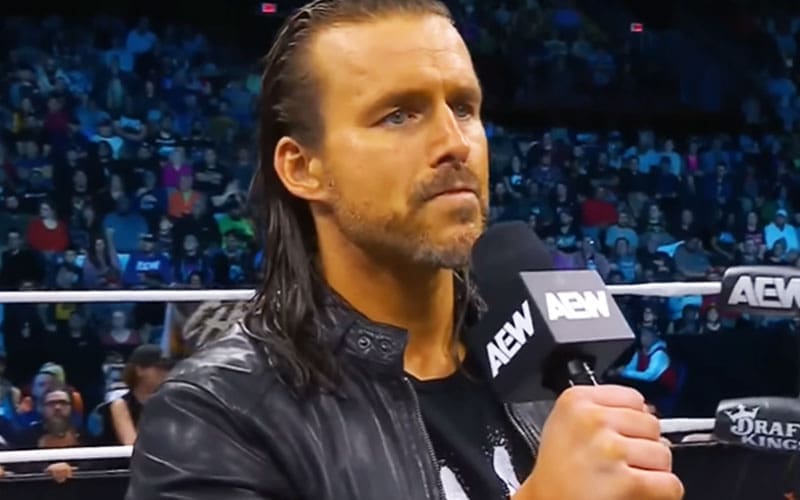
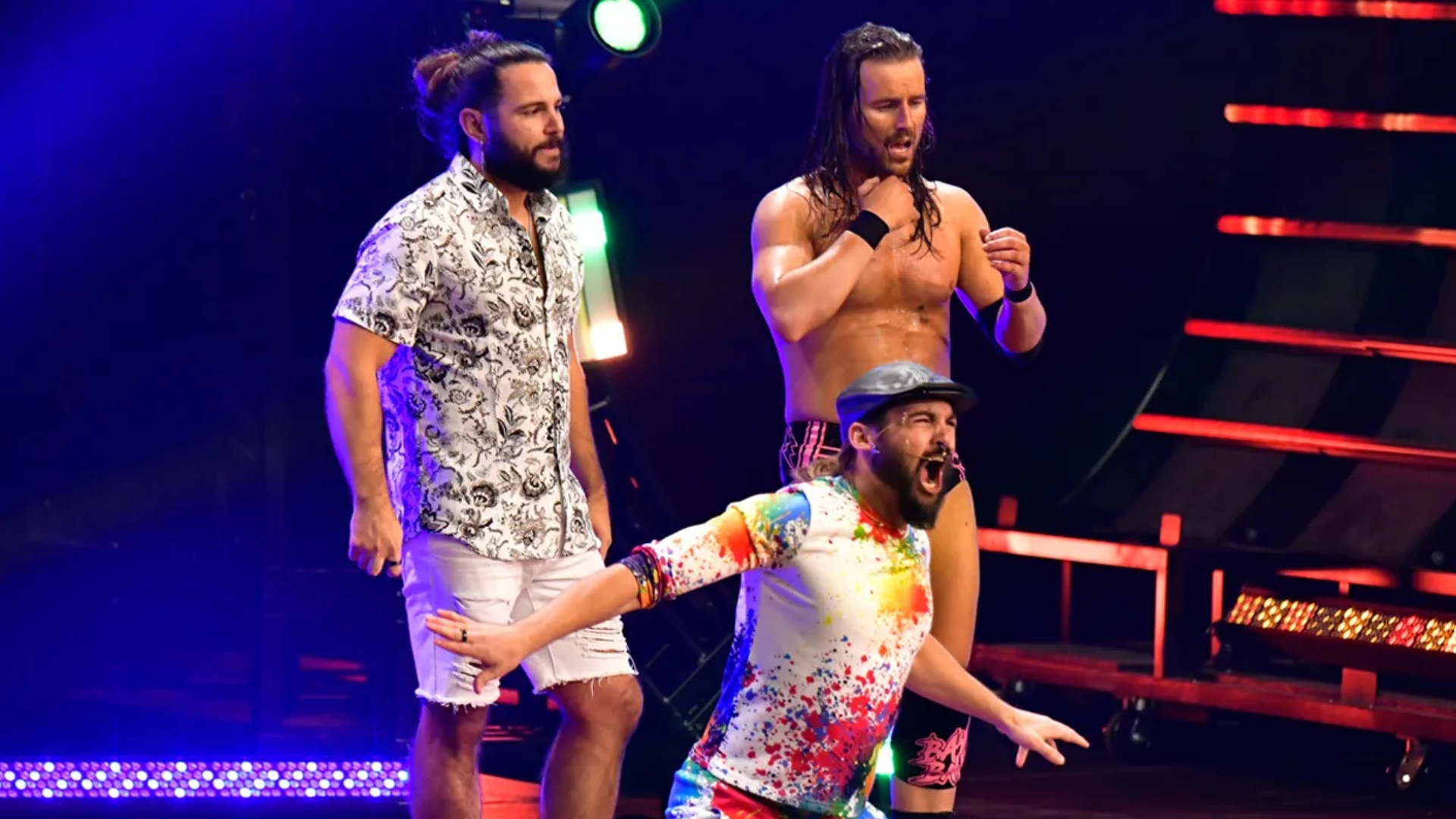
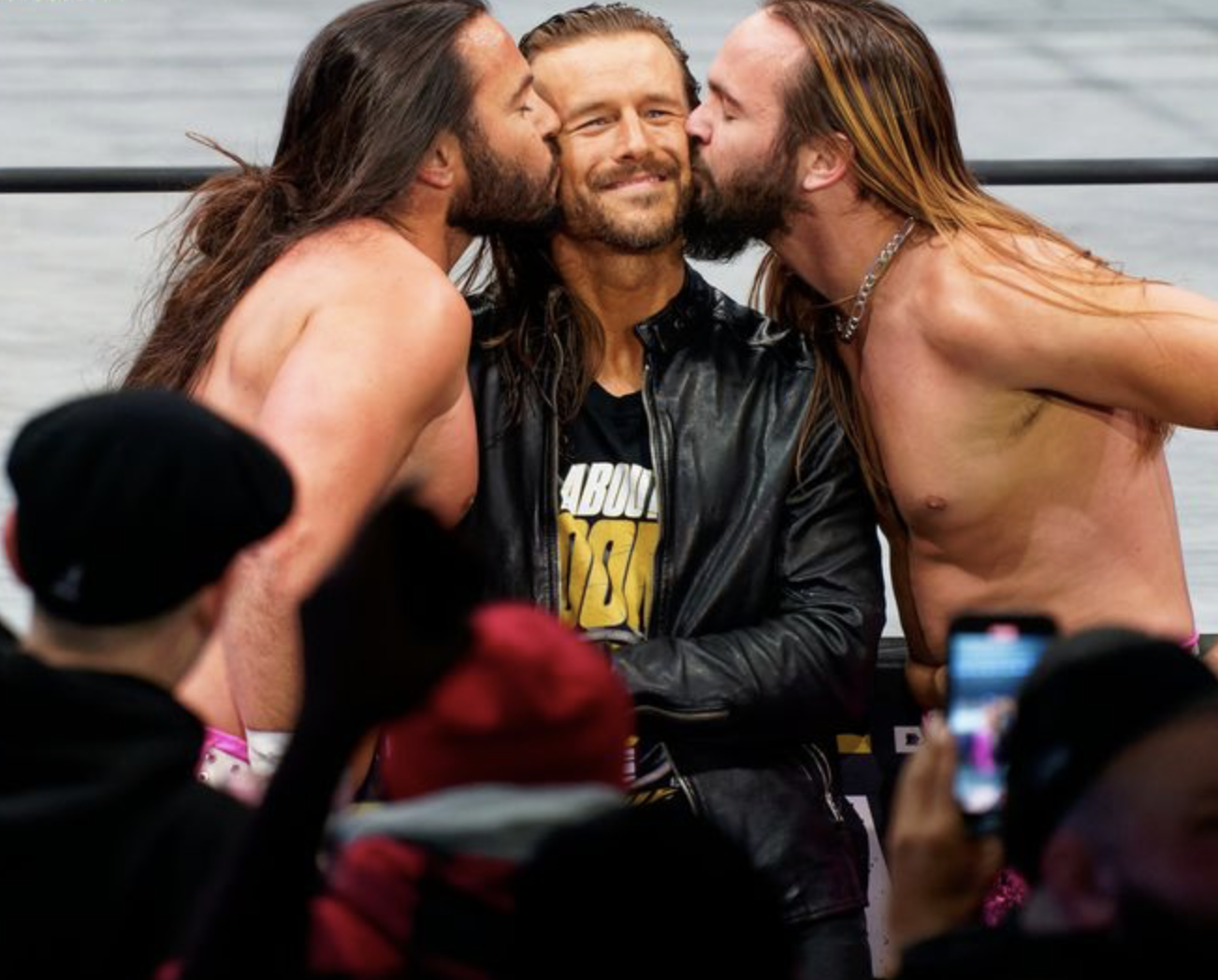
The timeline for Adam Cole’s return to active duty has hit a standstill. During a recent livestream on Being the Elite, The Young Bucks addressed the status of their former stablemate. The update was blunt: recovery is ongoing, but there is no immediate light at the end of the tunnel.
Cole has been absent from the squared circle for an extended period, dealing with persistent physical setbacks following his high-profile run. The Young Bucks did not offer a specific date for a comeback. Instead, the focus remains on physical therapy and medical clearance. The uncertainty surrounding his status leaves a massive void in the mid-to-upper card booking.
Missing the AEW spotlight
Cole remains one of the most recognizable faces signed to the AEW roster. His absence removes a primary engine for merchandise sales and narrative progression. Without him, the dynamic of the active roster shifts, forcing creative to pivot away from high-stakes feuds involving the former champion.
This is not the first time a major talent has vanished under the weight of recurring injuries in AEW. Historical precedent dictates that even with top-tier training facilities, the transition back to long-form matches is punishing. For Cole, the risk of rushing back is high. Re-injury would jeopardize future long-term viability in the industry.
Strategic implications of the benching
The lack of a defined return window forces AEW management to keep certain storylines in a holding pattern. When a star of Cole’s caliber is sidelined, the main event picture often becomes stagnant. Fans have previously seen how long-term absences affect ticket sales and television engagement metrics.
There is a recurring issue with how AEW handles talent recovery transparency. Relying on sporadic livestreams for medical updates lacks the professionalism standard in other major sports leagues. While the wrestlers are being helpful to fans by sharing anecdotal clips, this approach fails to provide a clear path forward for those betting on the company’s future.
Technically, Cole’s absence impacts the pacing of the shows. His proficiency in high-energy sequences, such as the Panama Sunrise or a well-executed superkick chain, provided a consistent quality floor. Without that output, the burden falls on newer talent to fill the gap. That responsibility often leads to over-reliance on limited high-flyers, risking further injuries elsewhere.
The long road ahead
The reality is that professional wrestling is physically brutal. The 2026 wrestling calendar is already proving that rosters are thinner than management wants to admit. With recent ratings fluctuations demonstrating fan impatience, the company cannot afford long-term gaps in star power. If Cole cannot sustain a return to the ring within the next six months, his role may shift permanently to a non-wrestling capacity or a managerial position.
Medical personnel are presumably monitoring his mobility metrics. Until there is data showing strength retention in his lower extremities, clearing him for a standard 15-minute televised match remains off the table. The patience displayed by all parties suggests the severity of the initial trauma has not fully dissipated.
Fans expecting a surprise entrance at the next pay-per-view should temper their enthusiasm. The current trajectory points toward a cautious, slow-burn medical strategy. The goal is clearly to avoid the 3rd catastrophic setback for the veteran performer. Anything less could effectively end his run at the top of the card.
Ultimately, the promotion is navigating a tough period where injury management defines the product. If Cole makes it back, his move-set must evolve. Relying on the same high-impact collision style that resulted in this hiatus would be a tactical error. A return must be accompanied by a change in ring psychology and a reduction in the sheer volume of high-risk spots.