
WWE Payback 2026
Card Predictions
Payback is the night where unfinished business gets settled. Every match on the card carries the weight of a previous injustice — a stolen championship, a controversial loss, a betrayal that demands a response. Here is our full predicted card for WWE Payback 2026, built from the debris of SummerSlam and the feuds that refuse to die quietly.
Payback: The History of Revenge
The original Payback pay-per-view debuted in 1998 under a different banner, but the concept was the same: an event built entirely around rematches, revenge bouts, and the settling of scores that regular monthly pay-per-views could not resolve. The premise was simple and powerful — every superstar at Payback had a grievance that demanded physical resolution. The format gave the event a distinct identity that separated it from every other show on the calendar.
Payback was formally relaunched in the modern era in 2013 — held in Chicago, CM Punk’s hometown, which immediately gave the event an electric atmosphere unlike any other show in the annual calendar. The Chicago crowd brought a volatility and passion that Payback thrived on. The 2013 and 2014 Payback events produced some of the most genuinely surprising match results of the era, cementing the show’s reputation for narrative twists that conventional monthly shows refused to deliver.
WWE brought Payback back in September 2023 at the PPG Paints Arena in Pittsburgh — an event remembered for Jey Uso’s emotional return and a Judgment Day vs Sami Zayn, Kevin Owens bout that demonstrated the premium live event format at its most satisfying. Pittsburgh embraced the show with genuine enthusiasm, and the event’s position on the September calendar — right after SummerSlam, right before Bad Blood — gave it a clear narrative role in the autumn PPV season.
By 2026, Payback has carved out a permanent position in WWE’s premium live event calendar as the definitive revenge show. Its placement in September — following SummerSlam’s dramatic title changes and shocking moments — makes it the event where the losers of summer’s biggest night come to collect what they are owed. Payback 2026 inherits a September tradition of grudge matches, contested title rematches, and genuinely dramatic results that shape the rest of the year.
What Makes Payback Different
Payback operates on a different emotional register than every other premium live event. WrestleMania is about triumph. SummerSlam is about escalation. Payback is about debt — the settling of accounts between people who have wronged each other and cannot let it go. The rematches at Payback carry a different energy from SummerSlam rematches because the performer seeking payback has had weeks to stew in their loss, to process the injustice, to build the kind of desperate, angry motivation that produces their best performances.
The best Payback moments are not simply good matches. They are narrative completions — moments where a performer who was wronged at SummerSlam or Money in the Bank or before comes to Payback and rights the balance. The crowd invests in Payback outcomes more viscerally than most events precisely because the moral framework of the storylines is unusually clear: someone was cheated, someone was betrayed, someone was robbed — and tonight, they take it back. Or they fail trying, which creates its own powerful narrative.
Payback is the rematch event. Title rematches, grudge rematches, stipulation rematches — every match on the card exists because two people have unresolved business that a single prior encounter could not settle. The rematch clause is not a booking crutch at Payback. It is the event’s entire identity.
When the rematch needs something extra to guarantee a definitive finish, Payback adds a stipulation. I Quit. Last Man Standing. No Holds Barred. Ladder match. The stipulations at Payback are earned — they exist because both competitors have agreed that a standard match is insufficient for the depth of their mutual grievance.
Payback results carry more consequences than most events because the losses are personal. A competitor who loses at Payback — having come in seeking revenge — has now lost twice in the same feud. That double failure shapes everything that follows. Payback results define who a performer is in a way that losing a first match rarely does.
Predicted Match Card — WWE Payback 2026
Our full predicted card for WWE Payback 2026 — built from SummerSlam’s dramatic results and the scores that need settling in September.
EVENT
Post-SummerSlam Grudge — The Championship Rematch
The Payback main event is almost always a direct consequence of SummerSlam’s most dramatic moment. The superstar who walked out of SummerSlam with a grievance — whether they lost the title, were screwed out of a match, or suffered a devastating betrayal — arrives at Payback as the emotional centrepiece of the entire event. The match carries the full weight of every week of television that followed SummerSlam: every promo, every backstage attack, every moment of quiet fury building toward September. Cody Rhodes’ championship programme in this period of WWE history produces natural main event rematches of genuine quality — when the story is right, a Payback championship main event can rival anything on the calendar in terms of crowd investment and emotional intensity.
TITLE
WWE Championship — The Defence Nobody Expected
The WWE Championship match at Payback is defined by the specific circumstances of whoever holds the belt heading into September. If the title changed hands at SummerSlam, Payback becomes the first major defence of the new reign — establishing whether the new champion can hold what they won against a determined former champion exercising their rematch rights. If the title did not change hands, Payback delivers the rematch the challenger demanded based on a controversial SummerSlam result. Either way, the championship match at Payback carries an urgency that most title defences lack: both competitors know that losing here carries a narrative finality that forces the story in a specific direction for the next several months.
HVYWT
World Heavyweight Champion — Payback Revenge Bout
The World Heavyweight Championship at Payback typically produces a match where the challenger has the most righteous case for a rematch. Gunther’s reign has been characterised by defences that feel physically and psychologically punishing — his style suits Payback perfectly because every Gunther victory feels like it cost someone something permanent. A Payback defence from Gunther against a challenger with a legitimate grievance — someone he defeated controversially, or someone who came close at SummerSlam and cannot accept the loss — creates exactly the kind of desperate, physical championship match that the event was built for.
CHAMP
Women’s Champion — The Payback Rematch She Demanded
The women’s championship match at Payback is almost always the most emotionally loaded title match on the card. The challenger at Payback has spent weeks demonstrating exactly why she deserves this opportunity — and the personal nature of her pursuit makes the crowd invest deeply in the outcome. Whether Rhea Ripley is defending against someone who has made things personal, or a freshly crowned champion faces a former champion demanding her title back, the women’s championship match at Payback 2026 carries the event’s defining emotional note. The best women’s championship matches at Payback-style shows share one quality: they feel genuinely important beyond the championship itself.
MATCH
Grudge Rematch with Stipulation — Someone Says Enough
Payback’s identity as a revenge event demands at least one match with a stipulation that guarantees a definitive finish and prevents the feud from continuing on the same terms. An I Quit match — where one competitor must verbally submit — carries a particular psychological brutality: winning is not enough, and neither is physical dominance. The winner must break the loser. A Last Man Standing match provides a different kind of conclusion: the loser literally cannot rise before the referee counts ten. Both stipulations suit the Payback aesthetic perfectly — they are about ending something, not just winning something. The feud that earned this stipulation at Payback 2026 will have been building since before SummerSlam.
US
IC or US Title — September Break-Out Match
A mid-card championship match at Payback — whether Intercontinental or United States — provides the cleanest in-ring performance of the evening. Surrounded by emotional rematches and stipulation bouts, a focused singles championship match with the right two performers and fifteen minutes of uninterrupted time consistently produces the technical highlight of the card. Payback has a history of mid-card championship matches that become the night’s most-shared performance — two wrestlers given space and time to do what they do best without the narrative weight of a years-long feud requiring resolution.
TEAM
Tag Division — September Showcase Bout
A tag team match at Payback provides energy and pace in the middle of the card. The tag division’s September storylines — built from rivalries that developed through the summer — are well-established by Payback, giving the tag match a well-defined hero and villain dynamic that plays beautifully in a medium-sized arena. The Payback tag match often surprises: a team that was dominant all summer loses the titles here, or a reunited team whose partnership nearly collapsed comes back together under Payback pressure. The September crowd is invested in the tag division in ways that the post-WrestleMania audience sometimes is not — the summer has done its job.
SummerSlam 2026 Fallout — What Drives Payback
The SummerSlam Moment Nobody Can Let Go
Payback is always built around a specific SummerSlam moment that the audience could not process cleanly. A title change with outside interference. A match that ended in controversy. A betrayal that left half the roster in stunned silence. These are the events that create Payback’s emotional fuel. The superstar who suffered the injustice spends four weeks on Raw and SmackDown making clear exactly what they are owed — and Payback is where the debt comes due. WWE’s strongest Payback events have all had this quality: a SummerSlam moment so resonant that five weeks of television could not adequately address it.
The Stipulation Was Their Choice
One of Payback’s defining narrative mechanics is the stipulation choice that the aggrieved party demands. The babyface who lost at SummerSlam demands an I Quit match, a Last Man Standing, a No Disqualifications rematch — because a standard match allows for the same shenanigans that cost them the first time. Giving the grieved performer the right to set the match terms is dramatically satisfying: they have thought about this for weeks and concluded that this specific stipulation eliminates every variable that worked against them. When the heel finds a way to win anyway, it is devastating. When the babyface wins, it is genuinely cathartic.
Pittsburgh Brings Its Own Noise
If Payback 2026 returns to Pittsburgh — as the 2023 event demonstrated — the PPG Paints Arena crowd brings a particular blue-collar passion that suits the event perfectly. Pittsburgh wrestling fans are direct, knowledgeable, and loud. They invest emotionally in performers they respect and turn on heels with genuine venom. The city does not need a hot act to produce a hot crowd — Pittsburgh comes ready. That crowd energy amplifies every Payback match in ways that more passive arena audiences cannot replicate, which is why the 2023 Payback in Pittsburgh is remembered so fondly.
The October Setup
Payback is not an isolated event — it is the staging ground for the autumn run that leads into Bad Blood in October and Survivor Series WarGames in November. Every Payback result has consequences: who wins a rematch, who loses their title, who turns heel or face under the pressure of September. The competitors who come out of Payback with momentum become the October storylines. The survivors of Payback’s rematches and stipulation matches are the performers who will define WWE’s fourth-quarter television. Payback is as much about what comes next as it is about what happens on the night.
Memorable Payback Moments
CM Punk’s Redemption — Chicago 2013
The first modern Payback was held in Chicago — CM Punk territory — and the crowd treated it as a homecoming event for the Second City Saint. The atmosphere was unlike any other premium live event of the era: a partisan crowd that knew the card inside out and reacted to every development with informed passion. Punk vs Jericho in a Best of Three Falls match was the highlight of the technical card. The event demonstrated that Payback, given the right venue and the right narrative, could punch well above its position on the WWE calendar.
Jey Uso’s Return — Pittsburgh 2023
The 2023 Payback revival in Pittsburgh produced one of the emotional highlights of the year when Jey Uso made his surprise return after leaving the Bloodline. The Pittsburgh crowd’s reaction to his appearance in the arena — before his involvement in the Sami Zayn and Kevin Owens tag match against Judgment Day — was a genuine emotional moment that demonstrated Payback’s capacity to deliver the kind of dramatic surprises that only a live crowd can fully appreciate. The event’s results set up storylines that ran through the end of the year.
The I Quit Legacy
I Quit matches have defined some of Payback’s most memorable bouts over the years. The stipulation carries a particular narrative power: forcing a performer to verbally submit is a more complete form of dominance than a physical pinfall. The best I Quit matches build toward the moment of capitulation as a genuine dramatic question — will they say it? When will they break? The audience genuinely does not know the answer, and the performance required from both competitors to make the breaking point feel earned is extraordinary. Payback has given this stipulation some of its best showcase moments.
The Underdog Upset Pattern
Payback events consistently deliver upset results that conventional wisdom suggests should not happen. The rematch structure gives challengers a narrative case for winning that most title challengers cannot access — they were already there, already proved they belonged, and were denied through circumstance. The audience at Payback genuinely believes the underdog can win in ways that fresh challengers rarely generate. This belief makes Payback results genuinely unpredictable: the show has a proven history of giving the win to the performer the audience needs to see win, rather than the performer booking logic suggests should win.
WWE Payback & SummerSlam Highlights

Jalen Brunson & Roman Reigns OWN The Garden | SNME Recap: WWE Now
Jul 19, 2026

Will Ospreay vs Adam Brooks | AEW Collision, 7/18/26
Jul 19, 2026

Will Ospreay vs Adam Brooks MATCH HIGHLIGHTS | AEW Collision, 7/18/26
Jul 19, 2026
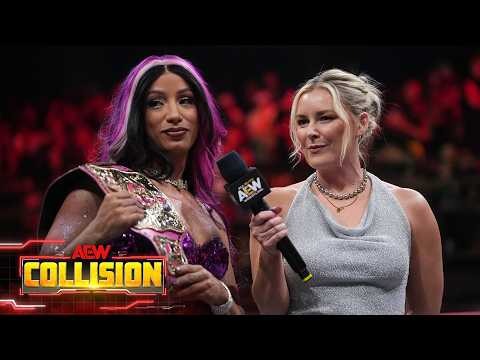
Mercedes Moné is going ALL IN against the competition! | AEW Collision, 7/18/26
Jul 19, 2026

Tommaso Ciampa gives Paul Wight a NO HOLDS BARRED message for Jericho | AEW Collision, 7/18/26
Jul 19, 2026
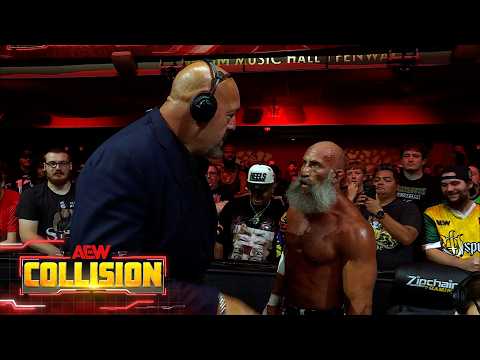
Tommaso Ciampa gives Paul Wight a NO HOLDS BARRED message for Jericho | AEW Collision, 7/18/26
Jul 19, 2026
WWE Payback 2026 News & Analysis
Triple H Says AJ Styles Didn’t Want To Be A WWE Writer Or Producer After Retirement
·
6 WWE NXT Call Ups After Stand & Deliver 2026
·
Booker T Opens Door to Final WWE Match With Younger Star
·
Tony Khan Addresses TNA Pulling Talent From AEW-Linked Indie Shows
·
TKO & UFC Announce Partnership With Nicotine Pouch Company
·
Payback 2026 — Venue Predictions
PPG Paints Arena — 19,000 capacity. The 2023 Payback proved Pittsburgh is a natural home for this event. The city’s passionate, knowledgeable wrestling culture and the arena’s intimate dimensions create the kind of electric atmosphere that suits Payback’s emotional storylines. Returning to Pittsburgh would be a statement of confidence in the market and in the city’s love for the event.
Little Caesars Arena — 20,000 capacity. Detroit is an underused WWE market that brings a blue-collar energy remarkably similar to Pittsburgh. The arena’s design produces excellent noise levels for a mid-sized arena event. A Payback debut in Detroit would generate genuine excitement in a market that has not hosted a major WWE event recently enough to feel routine.
T-Mobile Center — 19,500 capacity. Kansas City sits at the geographic heart of the United States and draws from an enormous regional market. The city’s sports culture is deeply passionate and the arena has hosted major events with strong production value. A September Payback in Kansas City serves a large Midwest audience that does not always get a premium live event in their region.