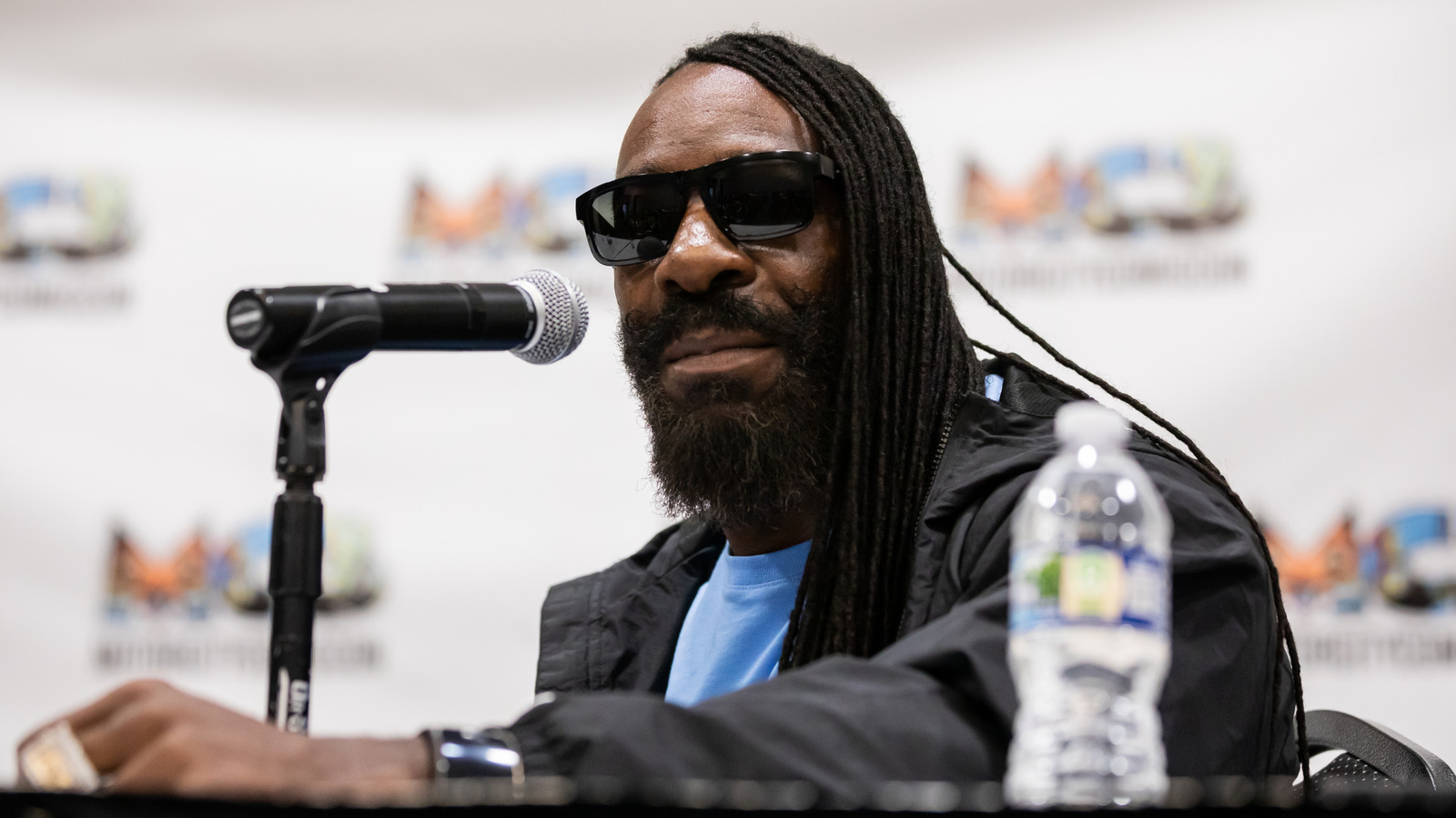
Friday night wrestling is stuck in a cooling trend
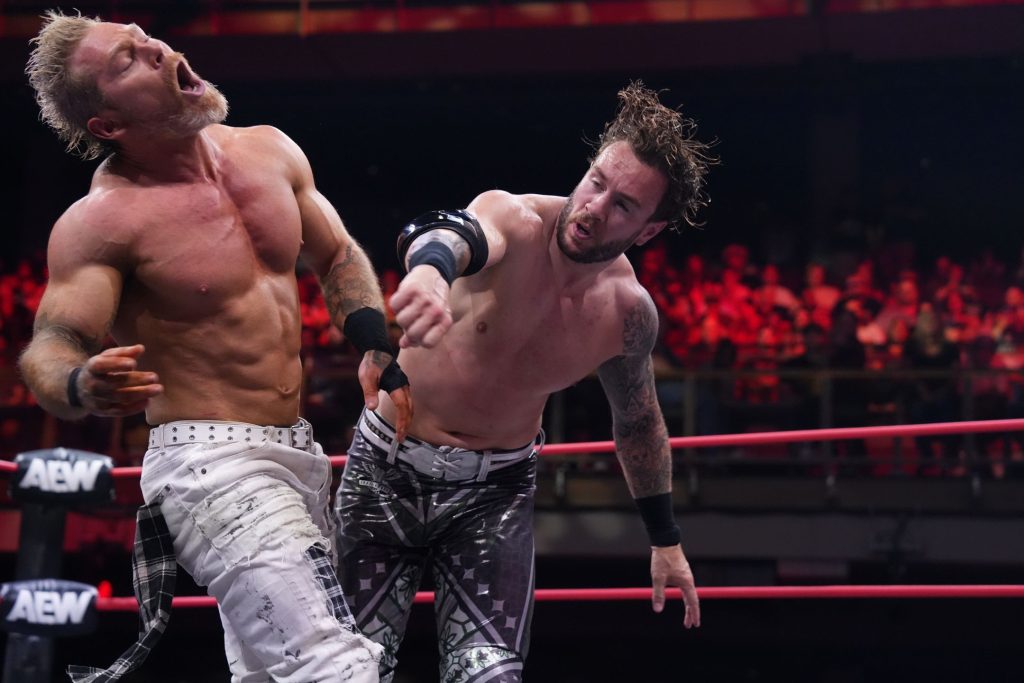
Broadcasters are losing the remote control battle
The numbers from late last week reveal a sobering reality for television executives. On July 17, WWE SmackDown drew a viewership base that suggests stagnation despite the shifting momentum in the industry. While the raw audience number saw a marginal increase, the key demographic rating suffered a decline that should concern the front office.
This performance occurred against the backdrop of a broader industry struggle to maintain engagement. SmackDown's inability to retain its primary audience segment on July 17 is not an isolated incident. It indicates that the current booking patterns are failing to convert casual channel flippers into habitual viewers. The data suggests that fans are tuning out during the second hour of the broadcast, where narrative progression consistently stalls.
Collision shows the limits of niche growth
Twenty-four hours later, AEW Collision faced its own set of statistical hurdles. On July 18, the program failed to break the 400,000 viewer threshold, reaching an average audience size that leaves the show in a precarious position compared to its Friday night competitor. As PWInsider reported, the total reach continues to fluctuate without establishing a reliable floor.
The silver lining for Collision is the slight uptick in the key demographic rating, which rose in the July 18 broadcast. Yet, one must look at the ratings information with healthy skepticism. A demographic bump is meaningless if the total audience continues to bleed out of the top half-million mark. If the audience under 400,000 becomes the new normal, the show moves dangerously close to being viewed as a strictly minor-league product by network stakeholders.
The danger of static weekly booking
The core failing across both brands is a lack of urgency in high-stakes segments. Analyzing the WWE SmackDown report from July 17 shows that even established star power cannot mask thin creative plotting. The reliance on repetitive match structures during the first 30 minutes of the program leads to a predictable viewing pattern. Fans are essentially being trained to tune in late and skip the opening quarter-hour.
AEW is suffering from an analogous ailment regarding its pacing on Saturday's replays and Friday's live broadcasts. The wrestling itself remains technically sound, yet the connective tissue between matches is weak. We are seeing a 3.7% decline in total reach for programs that emphasize technical execution over character-driven conflicts. When the narrative stakes fail to elevate past the technical quality of a match, the audience inevitably migrates elsewhere.
Is the linear model dying or just poorly managed?
Some might argue that streaming has permanently altered consumer behavior, making viewership totals secondary to digital engagement. However, when AEW Collision ratings on July 18 show such a wide divergence between demographic interest and total eyeballs, it suggests a failure in discovery. The product is not reaching the casual fan who might be interested in the technical aspects but lacks the context provided by these specific episodes.
Both major promotions must reckon with the fact that their mid-July output has been uninspired. SmackDown is coasting on its brand recognition, while Collision is oscillating at a level that limits its ceiling. To turn these numbers around, writers need to move away from the current template of 15-minute opening matches that do little to advance the overarching story. Stagnation is a choice when the booking team chooses to prioritize the transition to the next event over the quality of the current segment.
If the weekly trends continue through August, we will stop talking about market corrections and start talking about a genuine contraction. The industry is currently sustained by die-hard supporters who will watch regardless of the quality, but these individuals are not enough to justify the current production budgets. A 2.8% drop in key demographics across the weekend is a flashing red light that current creative directions are failing to connect with, or keep, the audience they already have.
Funko Pop! WWE: Cody Rhodes (Hell in a Cell) - Vinyl Collectible
Commemorate one of the gutsiest performances in WWE history with this legendary
Frequently Asked Questions
What is the reason behind declining viewership for AEW Collision?
How did WWE SmackDown perform on July 17?
Why are fans tuning out during the second hour of WWE SmackDown?
What is the major concern regarding AEW Collision's recent ratings?
How does repetitive booking affect wrestling audience retention?
More Coverage
Ranking SummerSlam matches by real star power and fan investment
3 hours ago
Jim Ross is still swinging at the entire wrestling industry
3 hours ago
Cody Rhodes exposing John Cena's ring calling is the funniest wrestling news this year
3 hours ago
NJPW G1 Climax 36 has Chicago buzzing and Sendia burning already
5 hours ago
Dark Side of the Ring's Necro Butcher episode is wrestling nostalgia at its weirdest
5 hours ago
Top 10: The Moments That Defined Modern Wrestling
5 hours agoMore Analysis
AJ Styles walked away on his terms, but the door isn't fully locked
an hour ago
Penta's mask controversy complicates his impending free agency as WWE and AEW monitor
an hour ago
Nic Nemeth wants Rollins vs Knight but don't count on it
2 hours ago