The bloated clock is coming to an end
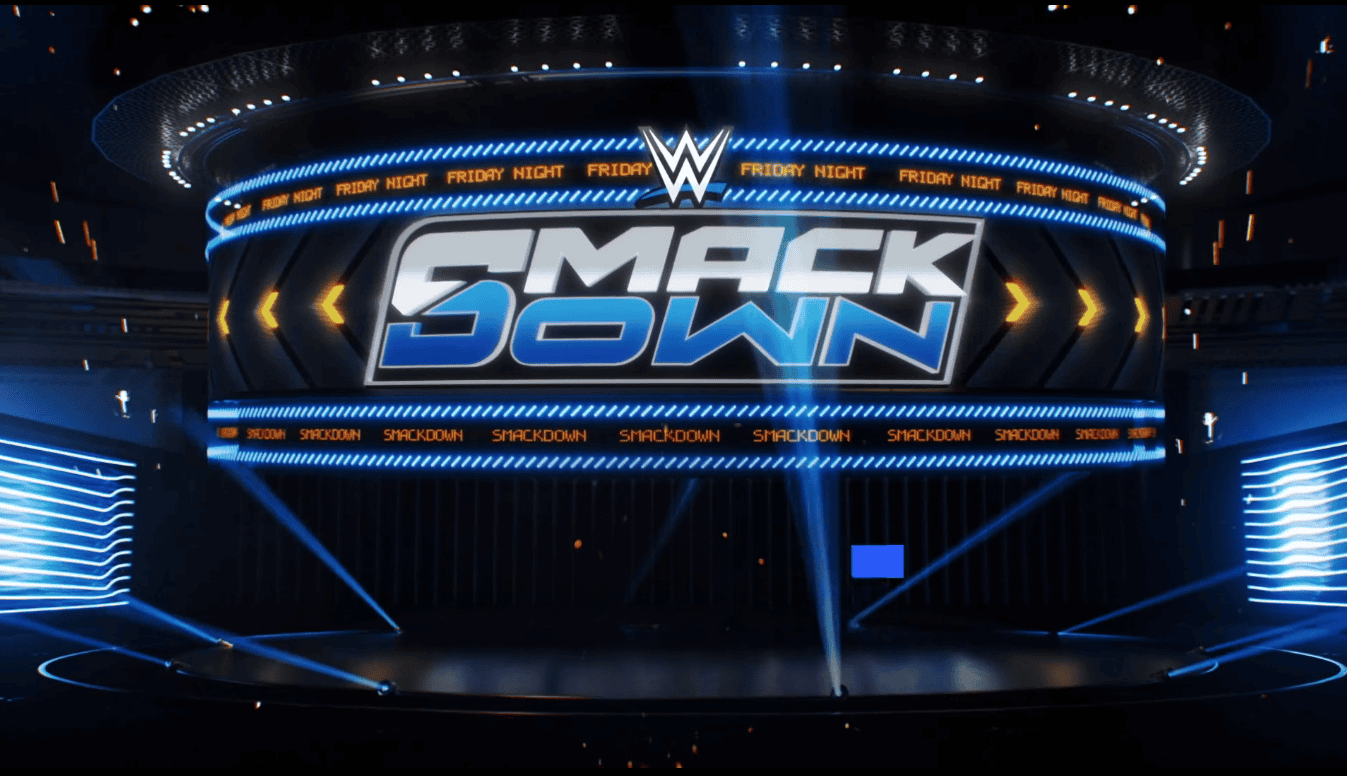
For months, the blue brand has struggled with the logistical drag of a three-hour broadcast schedule. Filling 180 minutes every Friday night has led to pacing issues that even the most dedicated fans find difficult to defend. According to recent reports from the Wrestling Observer Newsletter, WWE is finally preparing to sunset this experiment.
We have watched main events get cut short and segments drag on for twenty minutes too long because of this commitment to airtime. It is clear that the creative team has been stretching thinner material to satisfy the broadcast window. The move toward a shorter, punchier show is the right play for fans who value ring time over filler.
Missing the mark on quality control
This expansion has been a clear failure in terms of momentum. While the company sees financial upside in the ad inventory, the viewer experience has suffered under the weight of excessive recaps and backstage interview loops. High-level talent like Cody Rhodes and Kevin Owens deserves better than to be shoehorned into segments necessitated solely by a clock.
Technical analysts often discuss how scaling complexity hurts performance, and that applies directly to television booking. When you force three hours of content, you dilute the product. This feels similar to the digital security flaws identified when Meta’s customer support agents were hijacked recently; both cases show that over-extending a platform without proper guardrails leads to immediate, messy exploitation.
What to expect in the final stretch
As the clock runs down on this format, expect the booking to become even more frantic as they scramble to clear long-term storylines. Historically, WWE handles these transition periods with a mix of aggressive pushes and strange, abrupt character changes. Keep an eye on mid-card title rotations over the next few weeks.
Management is likely looking to clear space for the looming technical shifts required to maintain audience retention during the summer fatigue. I expect the show to regain its composure once they transition back to a two-hour block. They will stop treating the audience like they need constant recaps to remember what happened three minutes prior.
My call? The final month of the three-hour format will be the most erratic run of television we have seen since last year. They will prioritize short-term pops to boost ratings before the inevitable contract finalization happens. Mark my words: moving back to two hours will result in a 20 percent boost in match intensity by the end of the year.