The 2026 Momentum Scale
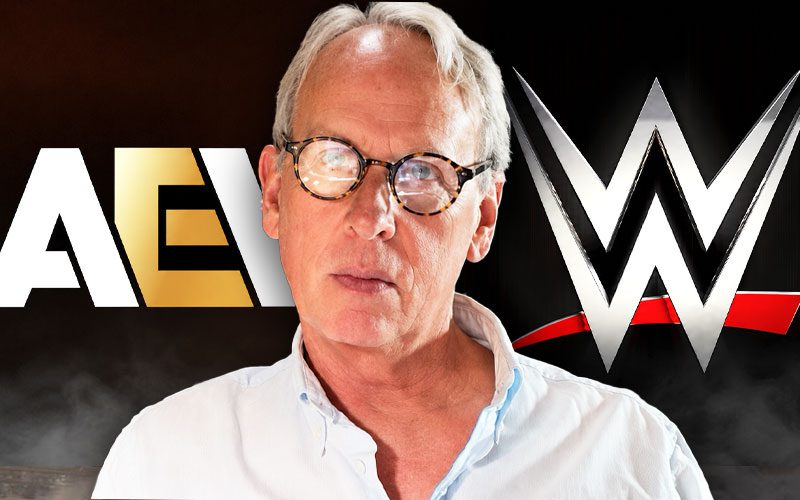
Professional wrestling in 2026 is defined by high-stakes media rights negotiations and an aggressive shift toward corporate consolidation. WBD-Paramount integration plans and the logistical strain on active rosters have forced promotions to pivot daily.
1. The WBD-Paramount Integration
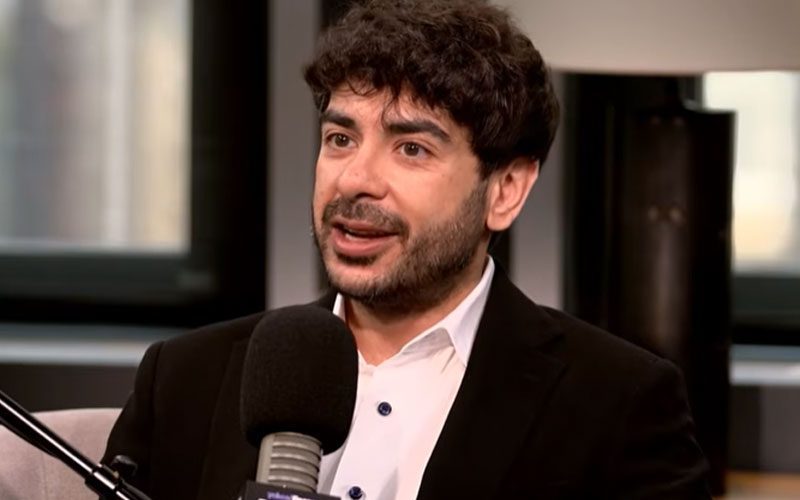
Tony Khan recently touted the potential for AEW growth as integration talks escalate. This shift dictates the future of broadcast distribution for major promotions. It ranks first because the stability of television revenue outweighs any single in-ring performance this year.
2. Tom Brady-Logan Paul WWE Development
Reports from TMZ Sports confirm Tom Brady has entered talks regarding a WWE appearance involving Logan Paul. This marks a massive crossover play for the promotion. It slots second for sheer mainstream reach, despite the obvious risks of an untrained celebrity taking physical bumps.
Critics point to the potential for an underwhelming performance, similar to previous high-profile celebrity cameos. However, the media attention generated by this negotiation is unprecedented for a mid-year cycle.
3. Mid-Card Injury Crisis
The AEW medical department faces pressure due to an expanded injury list. High-intensity output for secondary belts has physically drained the roster. This is a clear booking failure where depth was sacrificed for television volume.
4. The 2026 Industry Hierarchy Shift
As we analyzed in our industry breakdown, the landscape is dictated by retention metrics. Every major company is now fighting a desperate race to keep casual viewers engaged. Strategy has become more important than singular match quality.
5. Expansion of Secondary Title Defenses
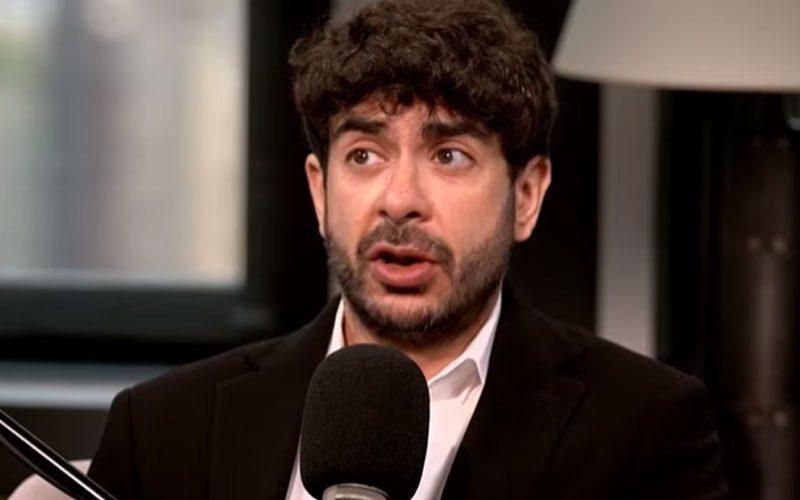
Tony Khan’s decision to increase title defenses has strained the talent pool significantly. While fans initially enjoyed the frequency, it has led to diminishing returns as top talent burns out. It sits fifth because it directly fuels the injury crisis mentioned earlier.
6. Emerging Talent Push
Several promotions have elevated younger talent to fill the gap left by injured veterans. This was a necessity rather than a planned push for most companies involved. Success rates for these call-ups remain inconsistent heading into the final quarters.
7. Revenue Stream Diversification
Companies are moving beyond traditional gate and PPV revenue models. Licensing and digital integration have become the primary focus for executives in 2026. This shift is essential for survival, yet it distracts from local market building.
8. The International Event Push
Major promotions have focused on offshore markets to bolster attendance numbers. The cost of logistics often offsets the ticket sales, making this a questionable long-term strategy for some. It ranks eighth because the fan experience remains high despite the company-side financial risks.
9. Changes in Creative Autonomy
Management structures have tightened across the board this year. There is significantly less freedom for performers to deviate from scripted segments. This has arguably softened the edge of the product, leading to a homogenized presentation style across major television programs.
10. Return of Limited Part-Time Schedules
Executives have leaned into using legends on limited dates to save money on active talent insurance. While effective in the short term, it stunts the growth of main event stars being built from the bottom up. It just scrapes into the top ten due to the negative impact on long-term fan loyalty.
Honorable Mentions
Several moments just missed the cut, including the abrupt shift in production styles for weekly digital content and the minor legislative changes regarding independent contractor status in select states. Each of these trends is worth monitoring, though they lack the immediate explosive impact of the top ten.
The Big Picture
Professional wrestling in 2026 is currently a battle between corporate efficiency and the physical limits of performers. The industry is currently dictated by massive media rights adjustments, and those that fail to adapt to the new fiscal reality will face extreme pressure to divest or merge.