The Physical and Narrative Cost of Marathon Reigns
Wrestling booking is cyclical, but WWE has spent the last four years obsessed with historic longevity. We saw record-breaking runs that redefined the modern history books. But if you watch the weekly television product, analyze the live event loops, and monitor roster health, the cracks in this booking strategy are impossible to ignore.
The era of the multi-year title reign is officially dead. The company is quietly transitioning to a high-velocity booking model.
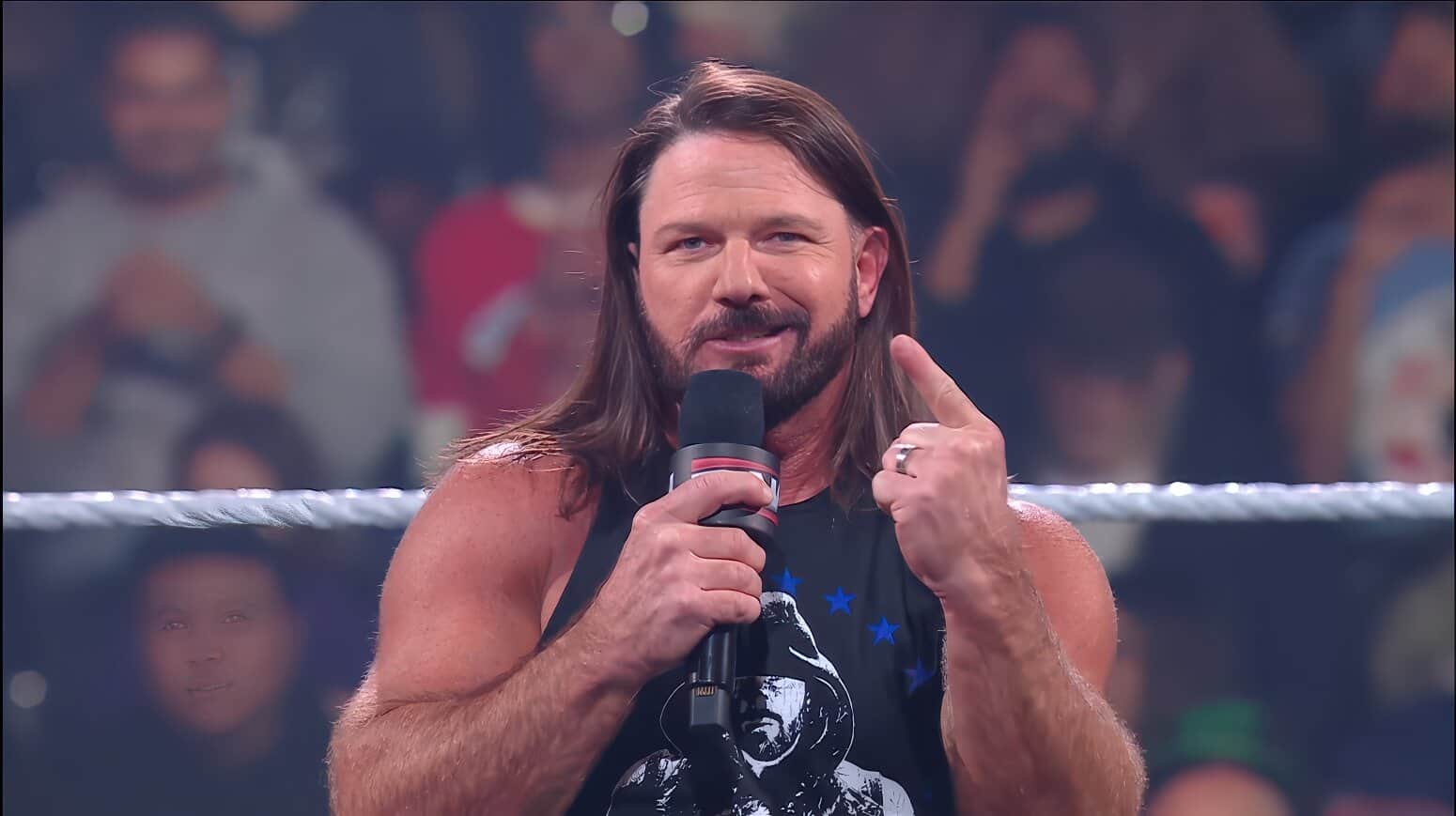
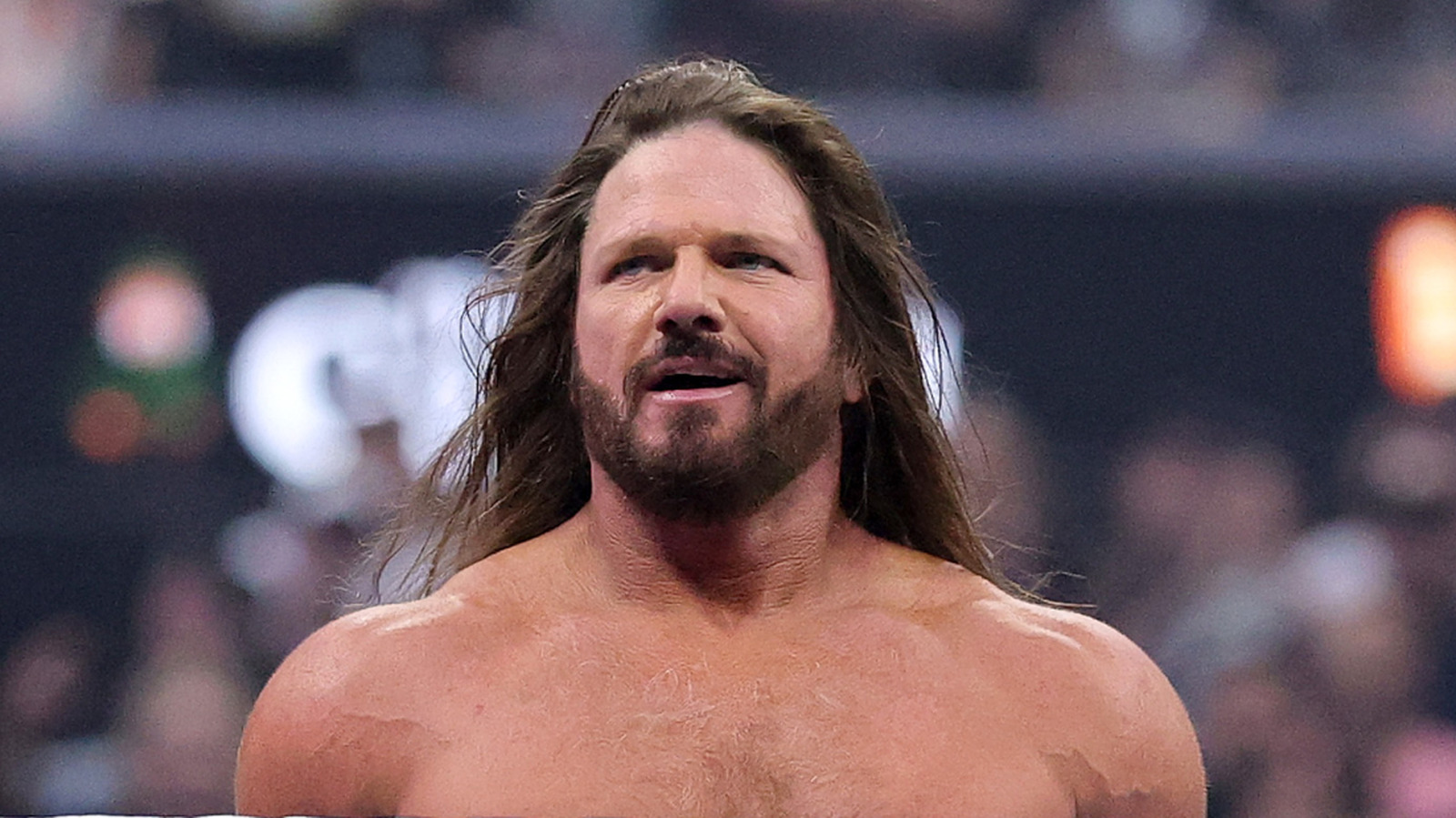
Holding a world championship in WWE used to mean working a grueling, near-impossible schedule. In a recent media appearance, AJ Styles recalled his year-long title run as exhausting. Styles held the WWE Championship for 371 days between November 2017 and November 2018.
During that span, he wrestled in 152 matches across the globe. He defended the title on international tours, weekly television tapings, and weekend house shows, often working 20-minute main events night after night.
The toll was visible in his match quality as the months wore on. The matches with Shinsuke Nakamura, which should have been workrate classics, devolved into repetitive low-blow finishes, double count-outs, and sluggish brawls. The crowd, once ecstatic to see Styles carry the brand, grew restless.
This is the physical reality of the workhorse champion. It burns out the performer and dries up creative momentum, leaving the main event scene feeling repetitive and tired. Styles' transition into the Calf Crusher was noticeably slower, taking 4.2 seconds compared to his usual 2.8-second execution.
The Part-Time Solution and Its Booking Trap
To avoid physical burnout, WWE tried a different approach with Roman Reigns. His historic run lasted 1,316 days, but it required a part-time schedule to survive. Reigns wrestled only 54 matches during his entire three-year reign.
While this preserved his body and made his appearances feel like special events, it created a massive narrative bottleneck. Raw and SmackDown lacked a touring champion, leaving mid-card talent with nowhere to go.
Paul Heyman recently shared some behind-the-scenes details about the creation of this character. Vince McMahon initially pushed back on the "Tribal Chief" moniker when Reigns returned in 2020. As detailed in Vince McMahon pushed back on the Tribal Chief name, McMahon wanted to stick to older, more familiar character templates.
Heyman eventually convinced him, but the struggle shows how resistant the old regime was to changing their formulaic approach to top stars. Heyman also compared Reigns' Tribal Chief character to Vince McMahon himself and Marlon Brando, pointing to their shared need for absolute control. While this authoritarian persona made for compelling television, it also created a booking dead end.
When one wrestler dominates the narrative for years, the rest of the roster is pushed aside. The weekly television show begins to feel like a holding pattern, waiting for the champion to return. Reigns' matches in 2023 were masterclasses in pacing but formulaic to a fault.
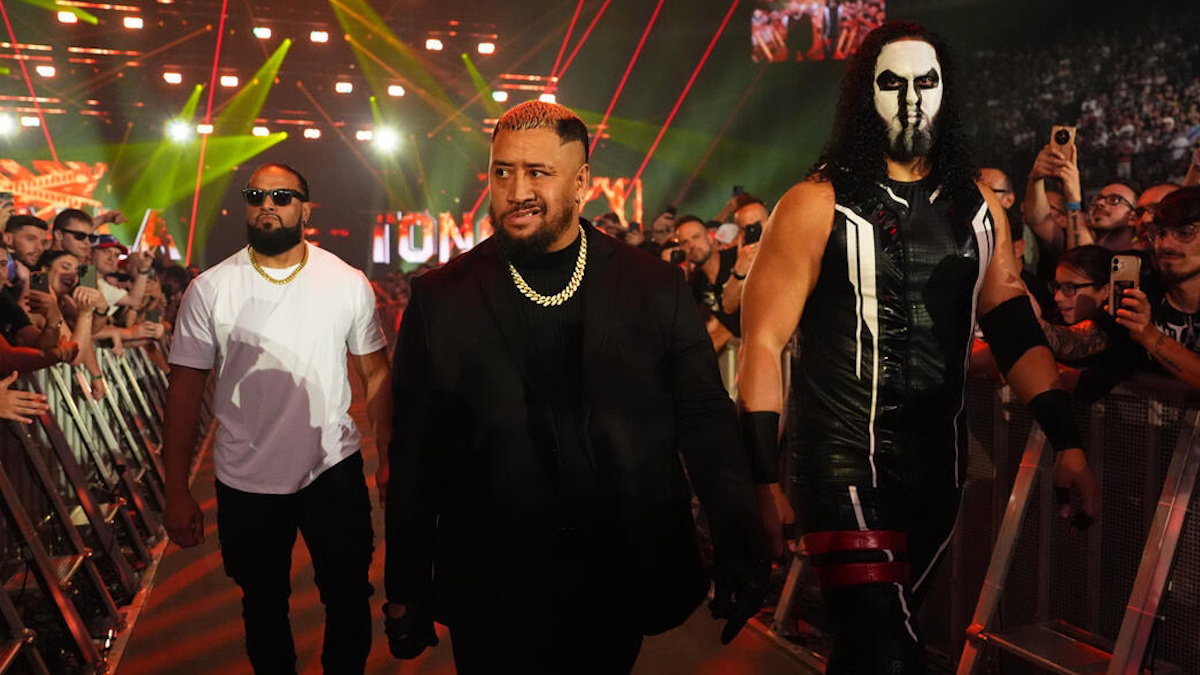
The inevitable ref bump occurred in 82% of his premium live event defenses, followed by Solo Sikoa's Samoan Spike. It was effective drama, but it was also a creative crutch that made the middle 15 minutes of his matches feel like filler.
The SmackDown Six Blueprint
Heyman understands the dangers of booking stagnation better than anyone. He experienced the worst version of corporate booking during the WWE ECW revival in 2006. Heyman described that run as a miserable experience where his ideas were constantly vetoed.
In contrast, Heyman's best work came from fast, decisive booking. Look back at his tenure on SmackDown in 2002, when he was paired with a young Brock Lesnar. Heyman detailed how he nearly managed Chris Benoit before the office decided to pair him with Lesnar instead.
That run was explosive, fast-paced, and dynamic. Lesnar won the title within five months of his debut, and the championship scene remained highly competitive with frequent title changes.
This dynamic style is what modern WWE needs to embrace. The SmackDown Six era proved that you do not need a single dominant champion to keep ratings high. Frequent title changes between Kurt Angle, Big Show, and Brock Lesnar kept the audience guessing.
Another factor driving this shift is the allure of outside entertainment opportunities. Modern wrestlers are no longer just athletes; they are brands with crossover appeal. This reality was highlighted by John Cena's realization about acting and WWE.
Cena noted that acting and professional wrestling share the same fundamental performance DNA, relying on emotional connection rather than physical stunts. As top stars realize this, their career trajectories are changing.
If top performers are going to pivot to Hollywood or take extended breaks, WWE cannot afford to tie its primary championships to them. Having a champion leave for three months to film a movie destroys the momentum of the weekly show.
A shorter title reign model allows for better roster rotation. It accommodates the Hollywood schedules of modern talent while giving other wrestlers a chance to shine in the main event spot.
The company cannot rely on part-time champions to carry the load anymore. The fans expect the champion to be present. Shorter, high-intensity reigns are the only logical solution to this modern dilemma.
The Prediction: A Hard Cap on Championship Longevity
WWE will never book another multi-year championship run. The company will establish a soft ceiling of six to eight months for any single title reign. This prevents physical burnout and creative stagnation while keeping the television product dynamic.
We will see the titles change hands at least twice a year, creating genuine suspense for pay-per-view main events. This shift will become apparent by the end of the year.
WWE will introduce new tournament structures and multi-man matches to cycle the belts more frequently. The workhorse era of AJ Styles and the part-time era of Roman Reigns are both relics of the past. The future belongs to fast-paced, high-turnover championship storytelling that keeps the audience on the edge of their seats.