The ghost of a marquee attraction
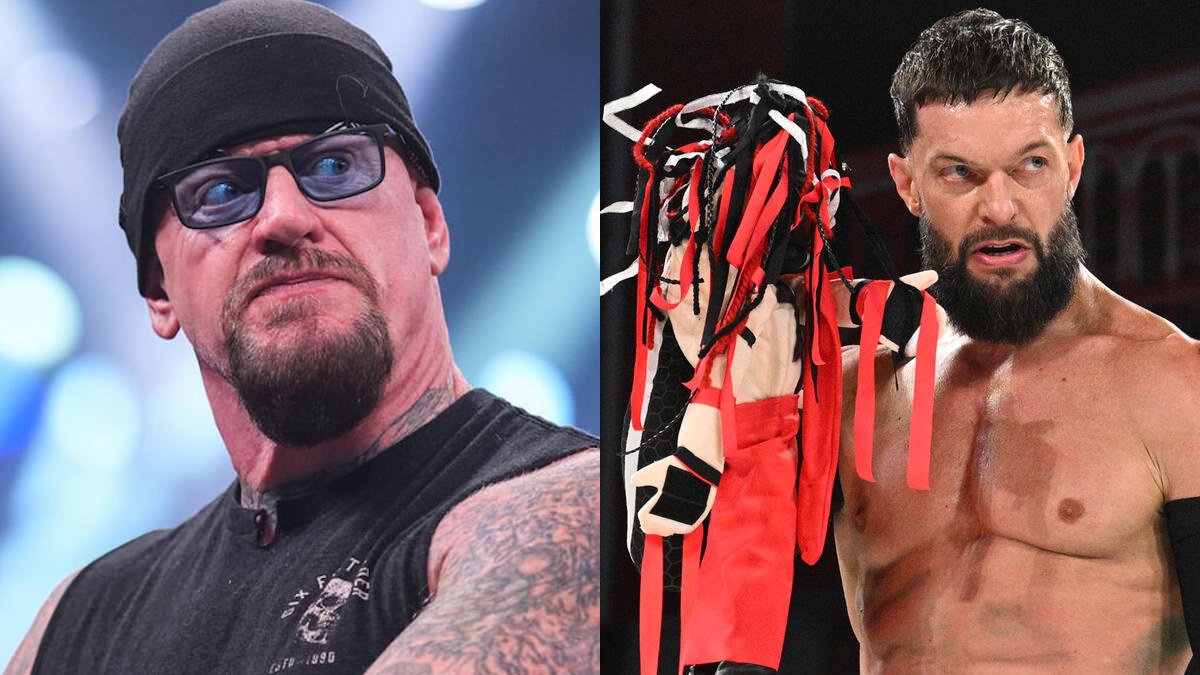
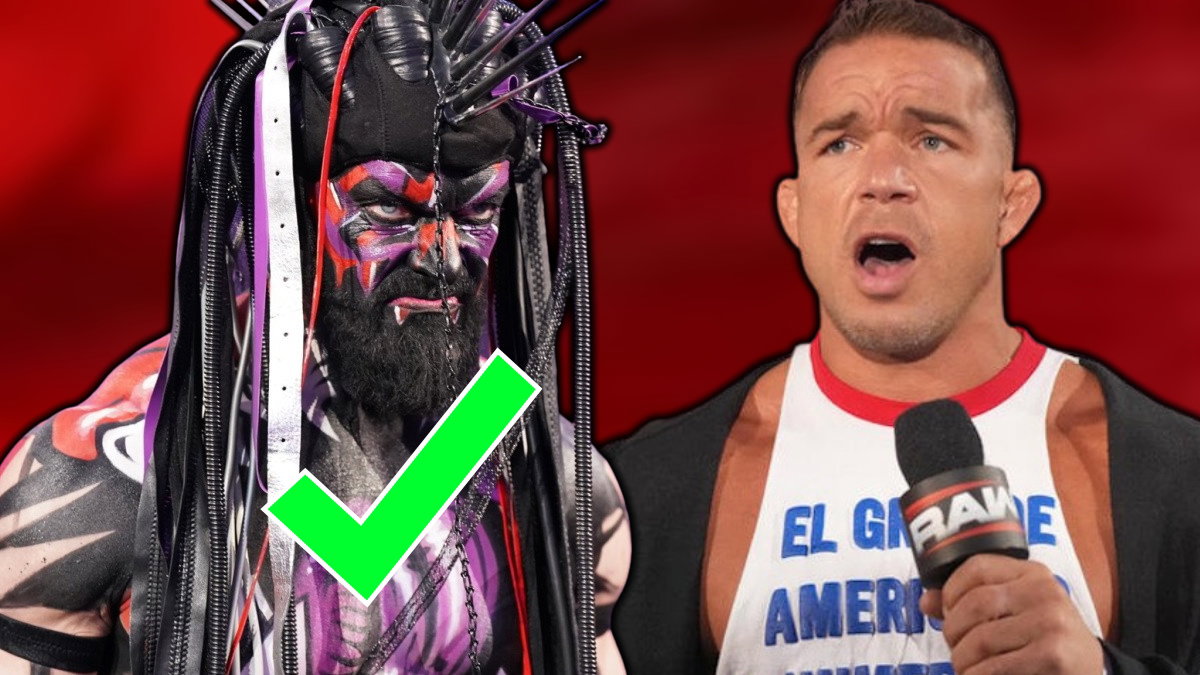
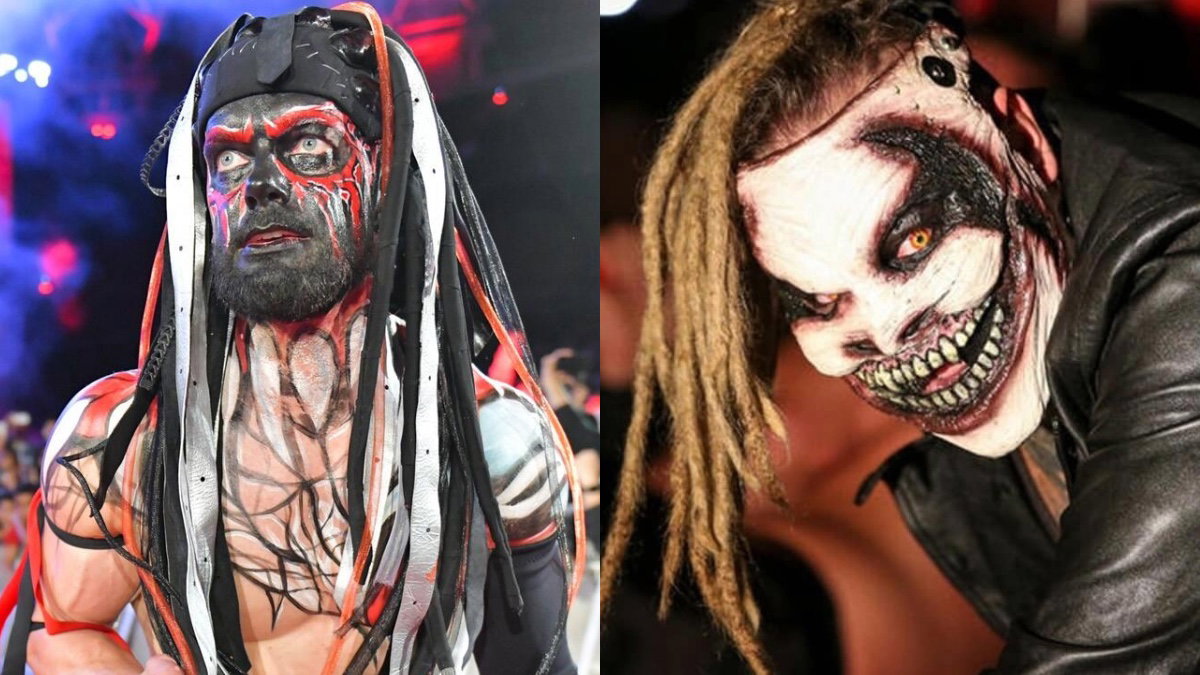
Finn Balor recently opened the door on one of the most intriguing what-if scenarios in modern professional wrestling. In a candid reflection on his history with Bray Wyatt, Balor indicated that WWE management had internal designs for a collision between The Demon and The Fiend. This proposed match-up existed as a high-concept attraction that never saw the light of day.
We are left to parse why this particular pairing failed to materialize. The creative direction for Balor during that period, specifically surrounding his 2019 shifts between brands, often felt erratic. When you examine the internal logic of the period, the stop-start nature of his main roster run meant that his most effective persona was frequently shelved for months at a time.
The structural issues behind the scenes
The absence of this match illustrates a recurring friction within the industry regarding supernatural characters. Both Balor and Wyatt relied on elaborate visual storytelling that required specific build environments to achieve their maximum effect. Management faced the logistical hurdle of positioning two primary special-attraction characters within a competitive weekly schedule.
A critical observation regarding this missed opportunity points to the rigid nature of pay-per-view slotting. If the booking team viewed both characters as focal points, the necessity of having enough space on the card became a bottleneck. The 2019 period saw constant reshuffling of the roster, as Finn Balor noted in recent reflections on the era. The internal focus was on brand split maintenance rather than long-term character investment.
Predicting the impact on current creative
The failure to execute this marquee bout creates a cautionary tale for modern creative leads. When you hold too many variations of a performer in reserve, you risk diluting the impact of their eventual return. Audiences require consistent exposure to grasp the stakes of a supernatural pivot, yet overexposure risks neutralizing the threat level.
Predicting the current trajectory suggests a move toward more grounded, sport-influenced narratives. The industry has shifted away from the elaborate, costume-heavy spectacles that defined the 2018-2020 window in favor of high-intensity, technical-heavy contests. It is unlikely we see a return to a high-concept supernatural program of that specific magnitude anytime soon.
My evaluation of this era remains skeptical of the booking process. The missed opportunity to capitalize on the peak popularity of both personas was a failure of vision rather than a lack of talent. By keeping the personas separate, the promotion missed a chance to elevate the mid-card stakes to main event level, leaving the fans with a hollow curiosity instead of a defining moment.
Looking ahead, the promotion is trending toward a leaner, more efficient presentation of its top tier. If we apply the lessons from the Demon-Fiend dynamic, expect fewer complex, long-running supernatural threads and more immediate, high-stakes physical conflicts. The era of the multi-layered ghost story has clearly ended in favor of a 60-minute iron man mentality regarding pacing and intensity.