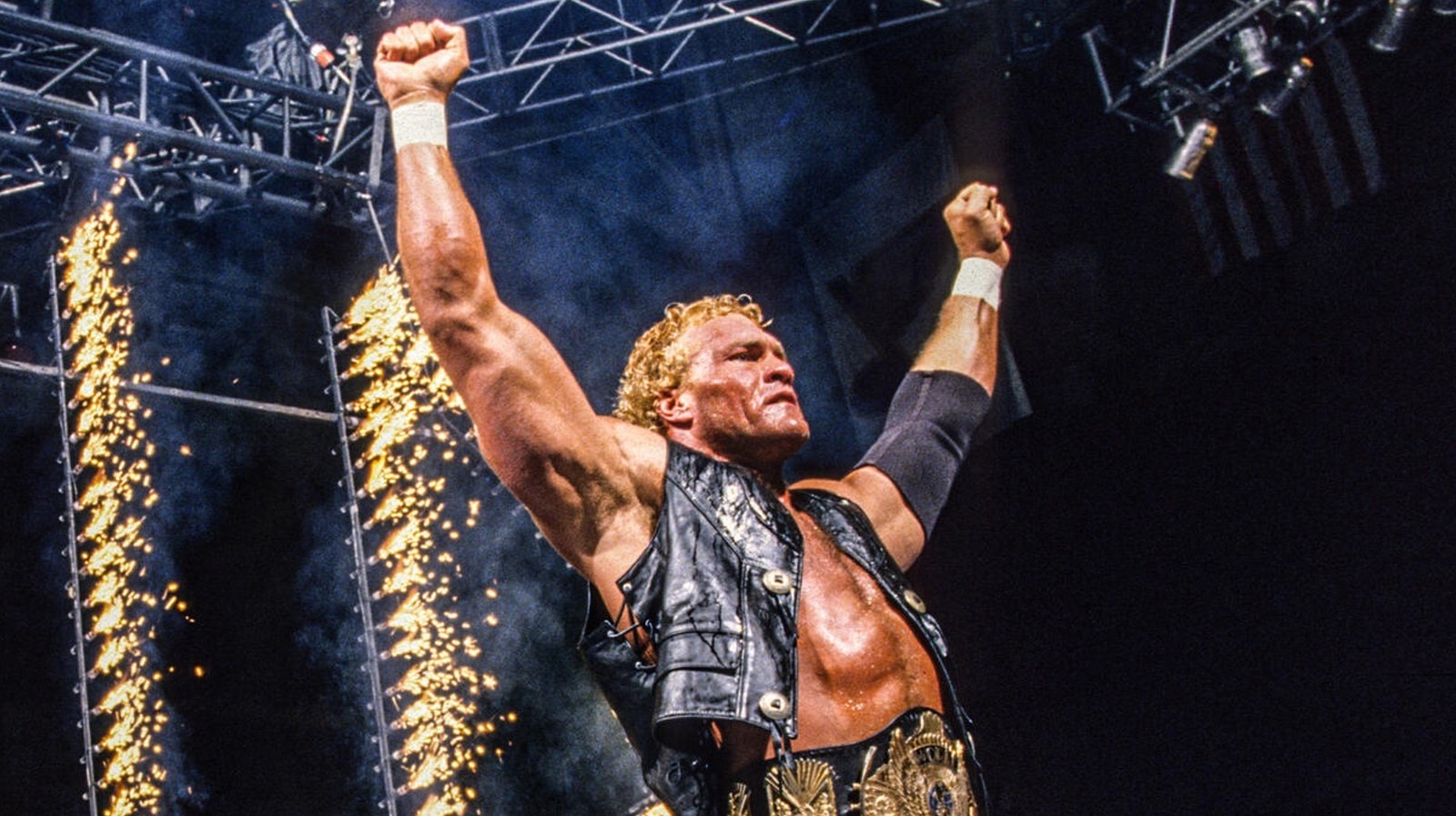
WWE’s Hall of Fame class of 2026 feels like a sanitized trip down memory lane

The PG Era gets its due
The WWE Hall of Fame has always been a subjective exercise in revisionist history. This year, the focus shifted squarely onto the PG Era, that period between 2008 and 2014 defined by corporate sponsorship, tighter scripts, and a pivot toward family-friendly programming.
It was a time when the edges were sanded off, but the business metrics skyrocketed. The induction ceremony served as both a celebration of that commercial success and a reminder of how much the product changed during those six years.
The paradox of the PG transition
When the company moved away from the Attitude Era grit, the in-ring style underwent a radical shift. Wrestlers were no longer encouraged to bleed for the sake of the narrative; instead, the focus moved toward high-definition production values and safer, more repeatable spots.
Watching the highlight reels during the ceremony, one couldn't help but notice the absence of the raw, unscripted chaos that defined the decade prior. The matches from this period, while technically proficient, often felt like they were operating within a strict set of guardrails.
The standout performers of a restrictive era
Despite the creative limitations, several talents thrived under the new mandate. The PG Era forced performers to find new ways to connect with audiences without relying on the crutch of chair shots to the cranium or excessive profanity.
The inductees showcased this evolution perfectly. We saw technical masters who turned the WWE ring into a legitimate athletic showcase, moving away from the brawl-heavy style of the Ruthless Aggression years. It was a period of refinement, even if that refinement occasionally came at the cost of genuine spontaneity.
Where the ceremony missed the mark
The biggest issue with the 2026 class is the glaring omission of the darker, more interesting figures from that time. By curating a list that exclusively highlights the 'family-friendly' side of the ledger, the WWE is essentially airbrushing the history of their own programming.
There were moments during the broadcast where the revisionism felt heavy-handed. They spent significant time discussing the 'Global Expansion' of the brand during this window, while glossing over the fact that the actual wrestling product was often bogged down by repetitive Raw segments and predictable booking.
- The focus on 2008-2014 ignores the mid-card talent who were left behind.
- The production highlights focused on WrestleMania spectacle rather than the grind of the Superstars or NXT developmental infancy.
- The lack of mention regarding the actual creative struggles of the time leaves a hole in the narrative.
Reflecting on the legacy
Looking back, the PG Era was a necessary evolution for the company's fiscal health, even if it frustrated the hardcore fanbase. It allowed WWE to become the global juggernaut it is today, securing the sponsorships and media deals that define the current era.
However, as a fan, there is a distinct difference between a successful business strategy and a compelling wrestling story. The 2026 Hall of Fame class captures the former perfectly. Whether it captures the heart of the sport is an entirely different conversation.
The ceremony was polished, professional, and entirely predictable. It was, in many ways, the perfect representation of the era it was honoring. For better or worse, this is the version of history that WWE wants us to remember.
WWE Mattel Ultimate Edition Roman Reigns Action Figure
Acknowledge your Tribal Chief in ultimate detail.
Frequently Asked Questions
What years are typically considered part of the WWE PG Era?
How did the WWE in-ring style change during the transition to the PG Era?
Why is the 2026 WWE Hall of Fame class described as sanitized?
What were the main characteristics of WWE programming between 2008 and 2014?
How did wrestlers adapt to the creative limitations of the PG Era?
More Coverage
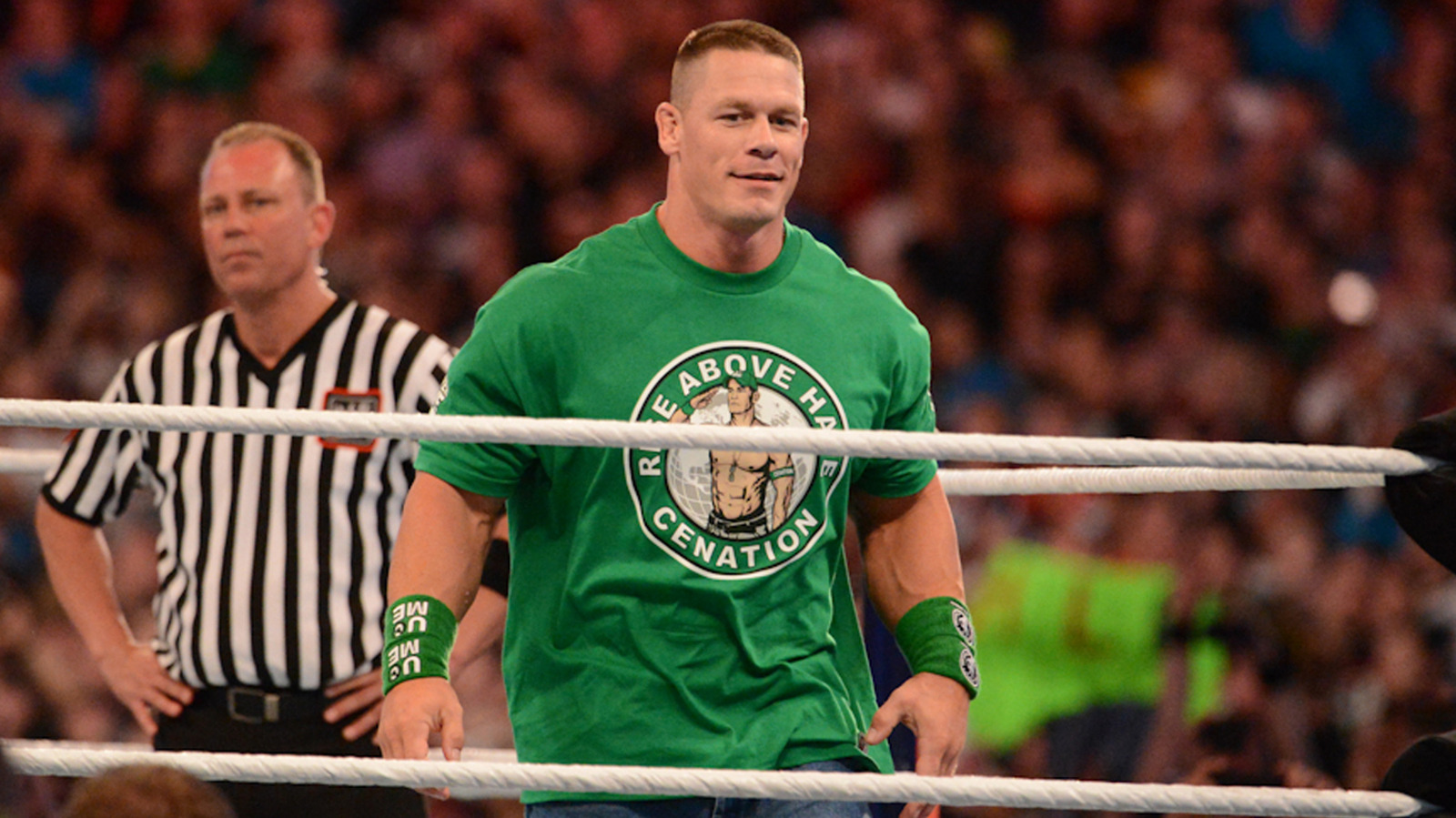
John Cena’s final act is becoming a masterclass in nostalgia
13 minutes ago
Is Tommaso Ciampa eyeing an AEW jump after the Jericho feud?
22 minutes agoSummerSlam's digital buildup misses the physical mark
24 minutes ago
Why WWE's corporate booking machine keeps fumbling its best faction ideas
an hour ago
WWE Stacked Card for Detroit RAW Sets Up Crucial Mid-Summer Pacing
an hour ago
The backstage fallout of WWE's rotating roster and injury management
an hour agoMore Match Reports
WWE’s Hall of Fame obsession is stalling its creative momentum
3 months, 2 weeks ago
The 2026 WWE Hall of Fame: A Messy Mirror of Wrestling's Soul
3 months ago
AJ Styles and Stephanie McMahon are the faces of the 2026 Hall of Fame
3 months, 3 weeks ago
WWE continues to prioritize spectacle over substance with the Hall of Fame
2 months, 3 weeks agoWhy the WWE Hall of Fame lost its soul to the streaming era
3 months ago