
WWE’s AAA acquisition strategy is currently failing the mid-card

The operational reality of the AAA expansion
When WWE moved to acquire Lucha Libre AAA in 2025, the internal justification seemed clear. By importing established main roster talent into the Mexican circuit, the company hoped to cross-pollinate fanbases and maximize the utility of performers sitting in catering. The execution, however, ignores the stylistic disparity between the United States television product and the demands of lucha libre.
Bringing in acts like Chad Gable to exchange holds with luchadores is an intriguing prospect on paper. Gable possesses an elite amateur background that translates to almost any ruleset. Yet, watching him attempt to apply nuanced chain wrestling against high-flyers often results in a visual lull. The pacing of the match breaks down when the opponent is conditioned for Lucha-style rapid-fire exchanges rather than technical ground work.
The wasted potential of roaming talent
Looking at the roster movement, we see a recurring error in booking. Rey Fenix and other high-profile stars are being moved through the system without establishing a foothold in either promotion. It creates a sensation of instability that hurts the buy rate for AAA events. The casual audience sees a familiar face but realizes they are not witnessing a premier feature, merely a stopover.
Consider the logistical strain on stars like El Grande Americano or Lola. Travelling between corporate obligations and the AAA circuit is not just a frequent flyer issue; it is a creative vacuum. A performer requires time to bake a gimmick in front of a live crowd. When they are constantly shifting gears between different company philosophies, consistency suffers.
In 2025, WWE acquired Lucha Libre AAA with various stars from the roster arriving in the Mexican promotion.
The recent analysis by WrestleTalk regarding the continued influx of WWE talent into AAA suggests this is a long-term play. It is a pivot away from the traditional developmental pipeline and toward a platform-agnostic model. The issue is that the platform actually changes the performance outcome. You cannot expect a wrestler trained in the WWE performance center to intuitively mimic the psychological beats required for a successful lucha match.
A critical look at the booking gaps
Beyond the technical friction, there is a lack of narrative coherence. Why are these wrestlers in Mexico? Is it a punishment? Is it a strategic expansion? The company has failed to provide a compelling answer for the audience. As a result, the matches often feel like exhibition bouts with zero stakes. Staging such events without a clear storyline justification wastes the athletic talent of everyone involved.
Take the case of the mid-card talent currently making the jump. If their trajectory is merely to work house-show-style encounters in a different country, they are not developing new skills. They are simply maintaining their existing ones while their visibility in the home market wanes. This leads to a decline in their overall marketability, a counter-intuitive outcome for a brand supposedly focused on growth.
For this acquisition to yield a positive return, WWE must shift from a 'guest star' mentality to one of integration. The talent sent to AAA should be treated as full-time participants in the Lucha scene, not visitors on international assignment. Until that change in philosophy occurs, these cross-promotional appearances will remain a curiosity rather than a genuine business engine.
Frequently Asked Questions
When did WWE acquire Lucha Libre AAA?
Why does WWE’s booking of AAA talent fail the mid-card?
What is the primary technical issue with the WWE and AAA crossover?
How does constant travel affect WWE wrestlers assigned to AAA?
What is the intended goal of WWE’s model for working with AAA?
More Coverage
Why Steve Maclin belongs in the NXT ring right now
2 hours ago
The New Day breakup is splitting the internet in half
2 hours ago
AJ Styles is right: WWE records are a vanity metric
2 hours ago
Cathy Kelley deserves more than a microphone in WWE
3 hours ago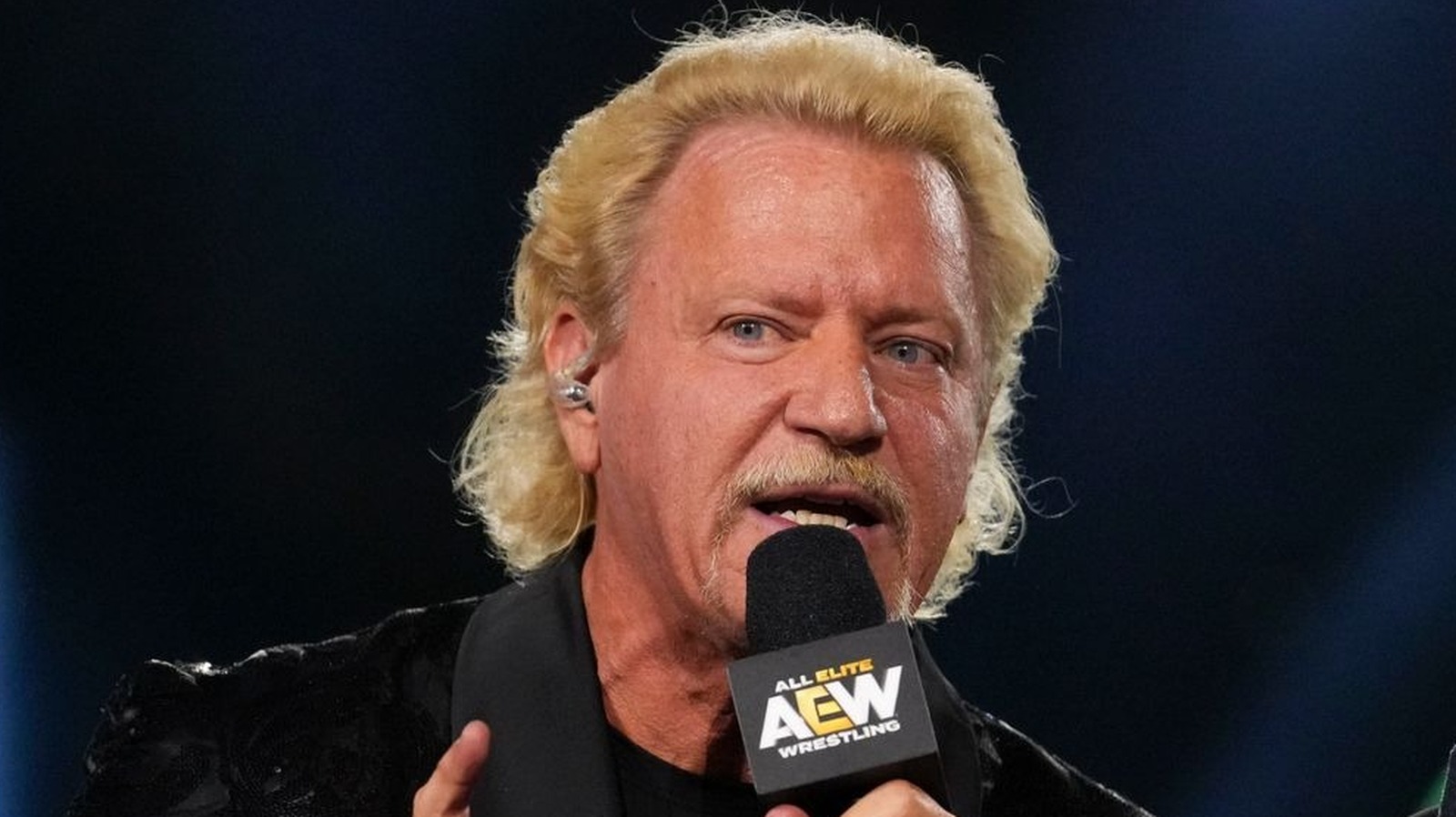
Jeff Jarrett's legacy conversation highlights AEW's reliance on the past
3 hours ago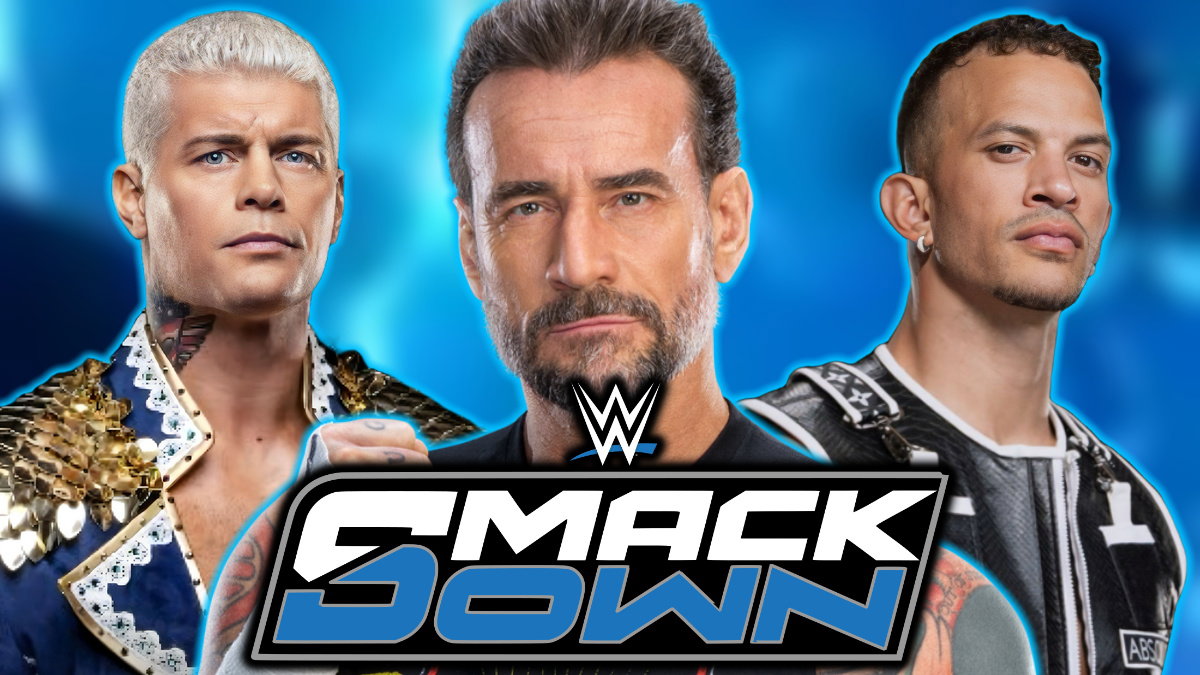
CM Punk injury update as WWE talent remains sidelined after high-profile loss
3 hours agoMore Analysis
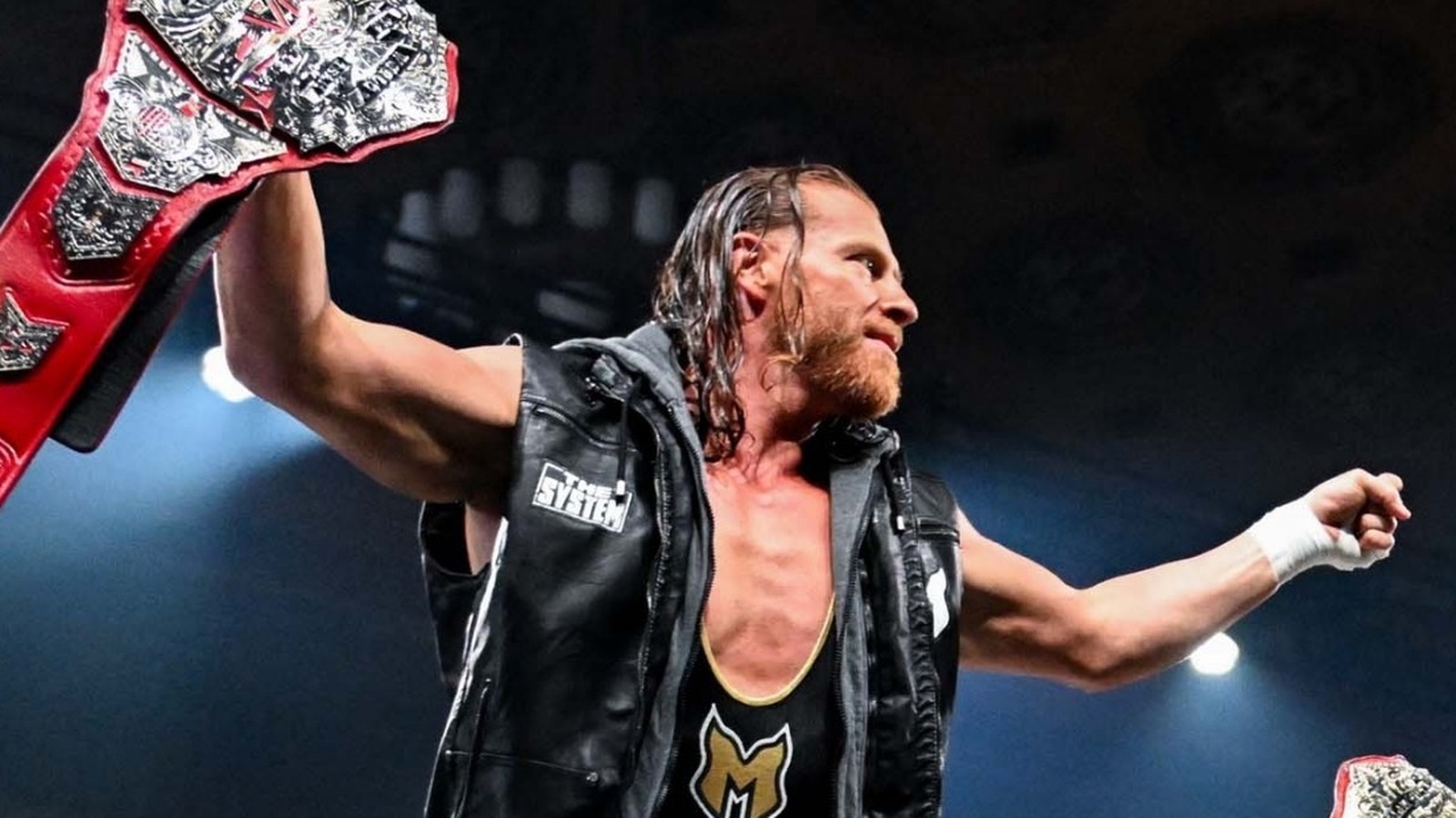
Brian Myers and the WrestleMania 35 moment that keeps the internet arguing
an hour ago
Why Steve Maclin belongs in the NXT ring right now
2 hours ago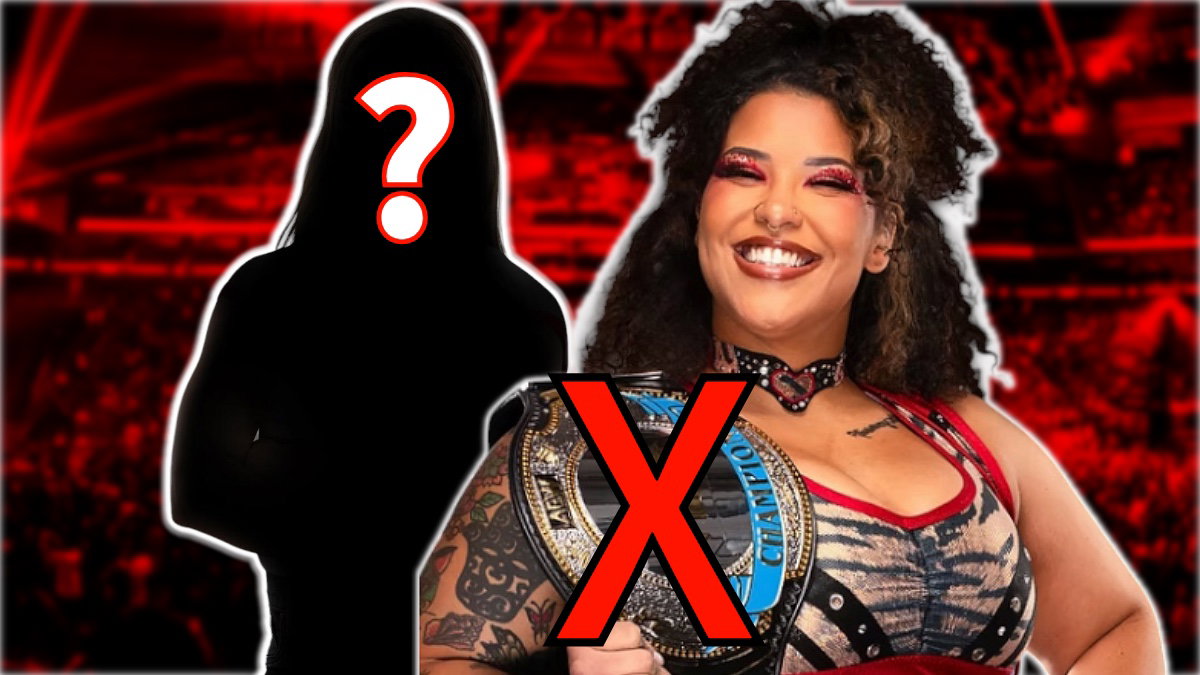
AEW has a massive hole to fill after Willow Nightingale's injury
2 hours ago
Sabotage or psychology: Why Sabu kept a nail in his boot
2 hours ago
The New Day breakup is splitting the internet in half
2 hours ago