The push for retail visibility
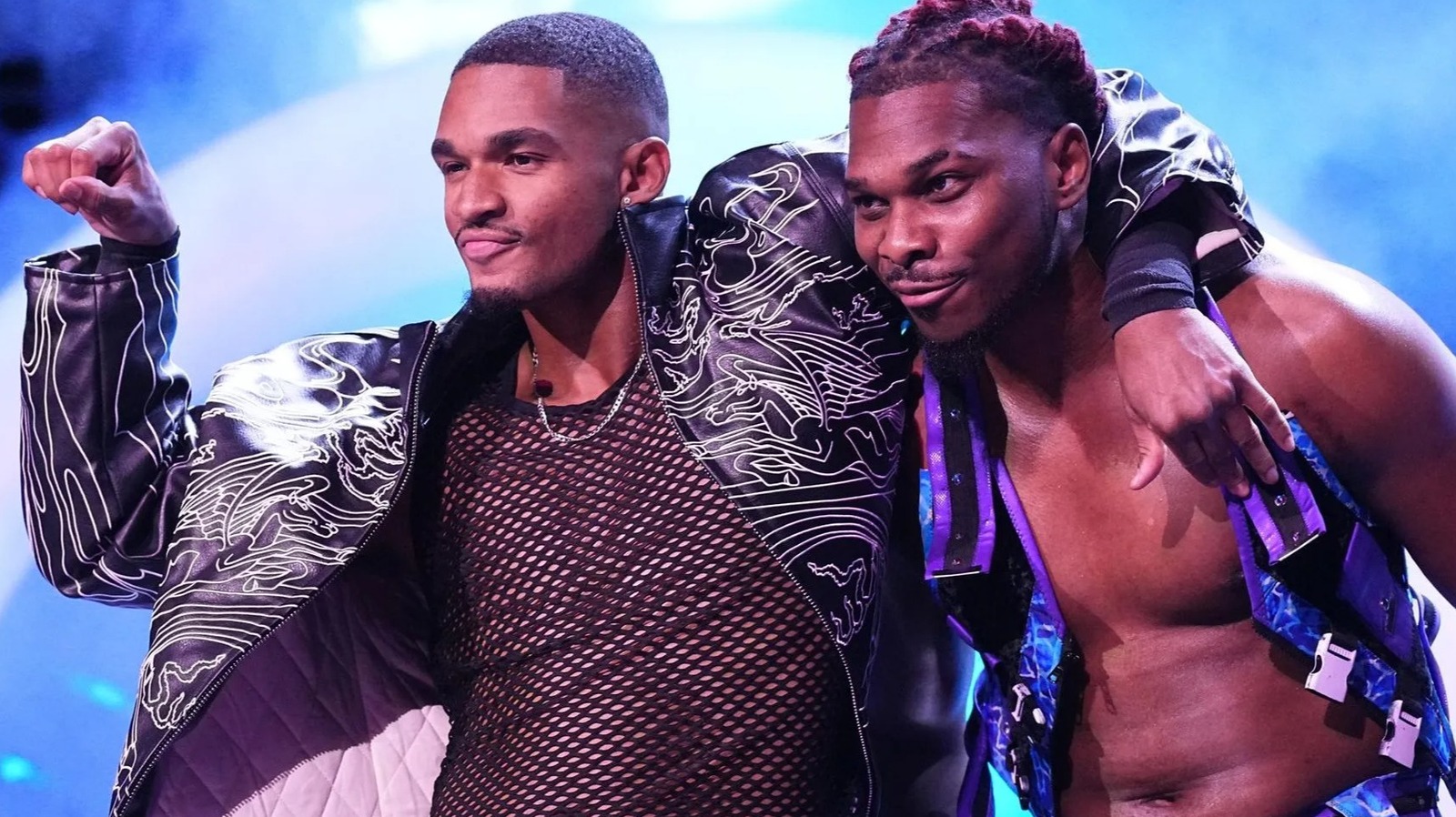
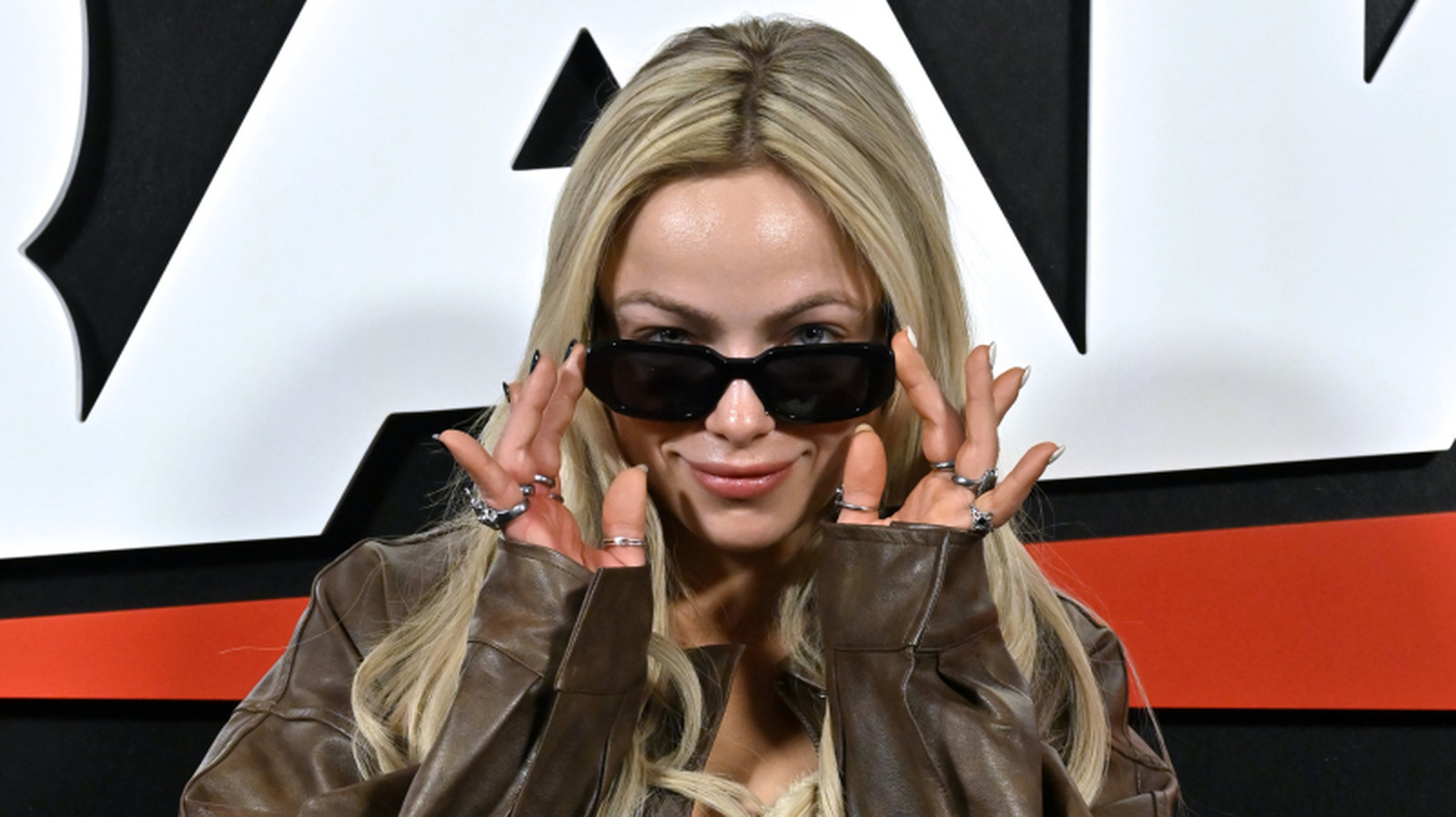
WWE is doubling down on its domestic and international retail footprint to maintain fan engagement during the quieter stretches of the calendar. The promotion confirmed that Natalia Neidhart, known to fans as Nattie, alongside the group Keys, will hold a high-profile appearance at the flagship WWE London location.
These retail events have become the primary method for WWE to mobilize core fans in non-televised markets. By positioning talent directly in front of the consumer base rather than just on screen, the company captures residual value from merchandise sales.
Bringing the brand to the ballpark
The company is also leaning into local minor league synergies, specifically a dedicated night with the Brooklyn Cyclones. These grassroots partnerships allow the wrestling brand to maintain cultural relevance in regional markets without the high cost of putting on a full touring house show.
It is a smart play. The minor league baseball circuit offers a demographic overlap that aligns perfectly with wrestling’s target audience. Mixing a sports experience with wrestling personalities keeps the brand top-of-mind for families and casual viewers during the summer heat.
The company is currently running a promotional contest offering fans a chance for an in-person meeting with The Rock.
The pursuit of direct engagement with The Rock remains the most effective marketing hook currently on the books. Leveraging the star power of a performer who essentially operates at a different altitude than the rest of the roster creates an immediate surge in promotional participation.
The reality of the grind
However, there is a visible lack of creative depth in these efforts. Relying on store signings and minor league guest appearances creates a repetitive feedback loop for fans expecting more significant developments. While these events are functional for revenue, they rarely translate to actual character development or high-stakes storytelling.
The promotion feels like it is treading water. Filling time with meet-and-greets for the sake of brand consistency is fine for a business model, but it lacks the chaotic excitement fans crave. The focus remains heavily tilted toward maintenance rather than growth.
Connecting the circuits
Looking at the broader strategy, WWE is clearly optimizing for stability. By diversifying how fans interact with the product—whether through recent events in London or local ballpark takeovers—they limit the risk of audience fatigue. This approach avoids the massive costs associated with major stadium booking while keeping the pipeline of consumer attention active.
The scheduling of a contest to meet The Rock is a calculated move to drive social media buzz in a dead period. It functions as a low-cost, high-engagement tool designed to artificially spike interest. Whether this translates to long-term loyalty is a question that remains unanswered, but the immediate metric goal is clear.
Expect more of these smaller, localized activations throughout the remainder of the quarter. The company has moved past the need for massive, high-risk developments and is currently in a hyper-focused consolidation phase. They are prioritizing steady, manageable growth over volatile, narrative-heavy risks.
Ultimately, these appearances highlight the shift toward a more corporatized wrestling experience. The professional wrestling environment is now as much about retail throughput and celebrity access as it is about the actual matches taking place in the ring. Critics may find it hollow, but the shareholders see it as a baseline for efficiency.