
WWE is clearing the board and the Wyatt Sicks just became the first casualty
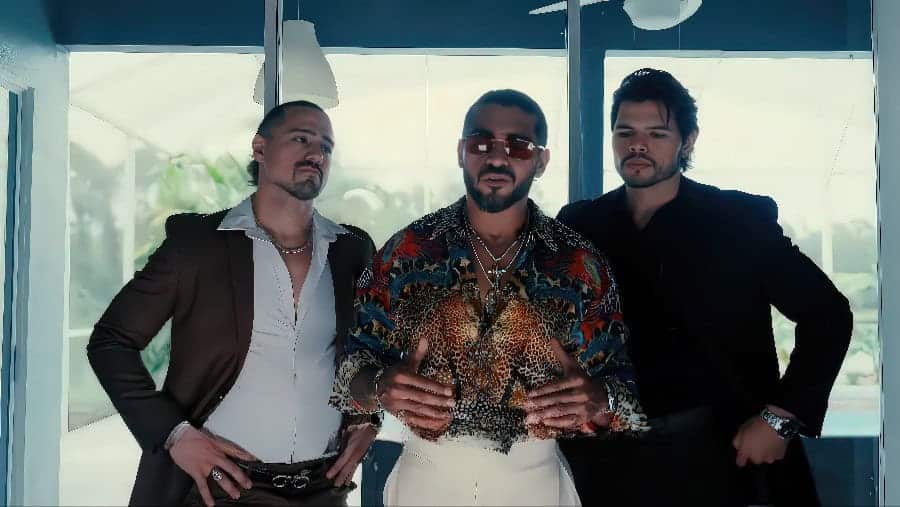
The April 24 massacre and the death of high-concept lore
The shockwaves from the April 24 roster cuts are still settling, but the picture is already becoming grimly clear. WWE is no longer a place where creative legacy or long-term potential guarantees a paycheck. In a single afternoon, the company dismantled the Wyatt Sicks in its entirety, signaling a total retreat from the supernatural, high-production storytelling that had defined the Uncle Howdy era. The released talent list reads like a core inventory of the Triple H creative engine, but the financial mandates of the TKO era have clearly overwritten any personal sentiment regarding character development or fan investment.
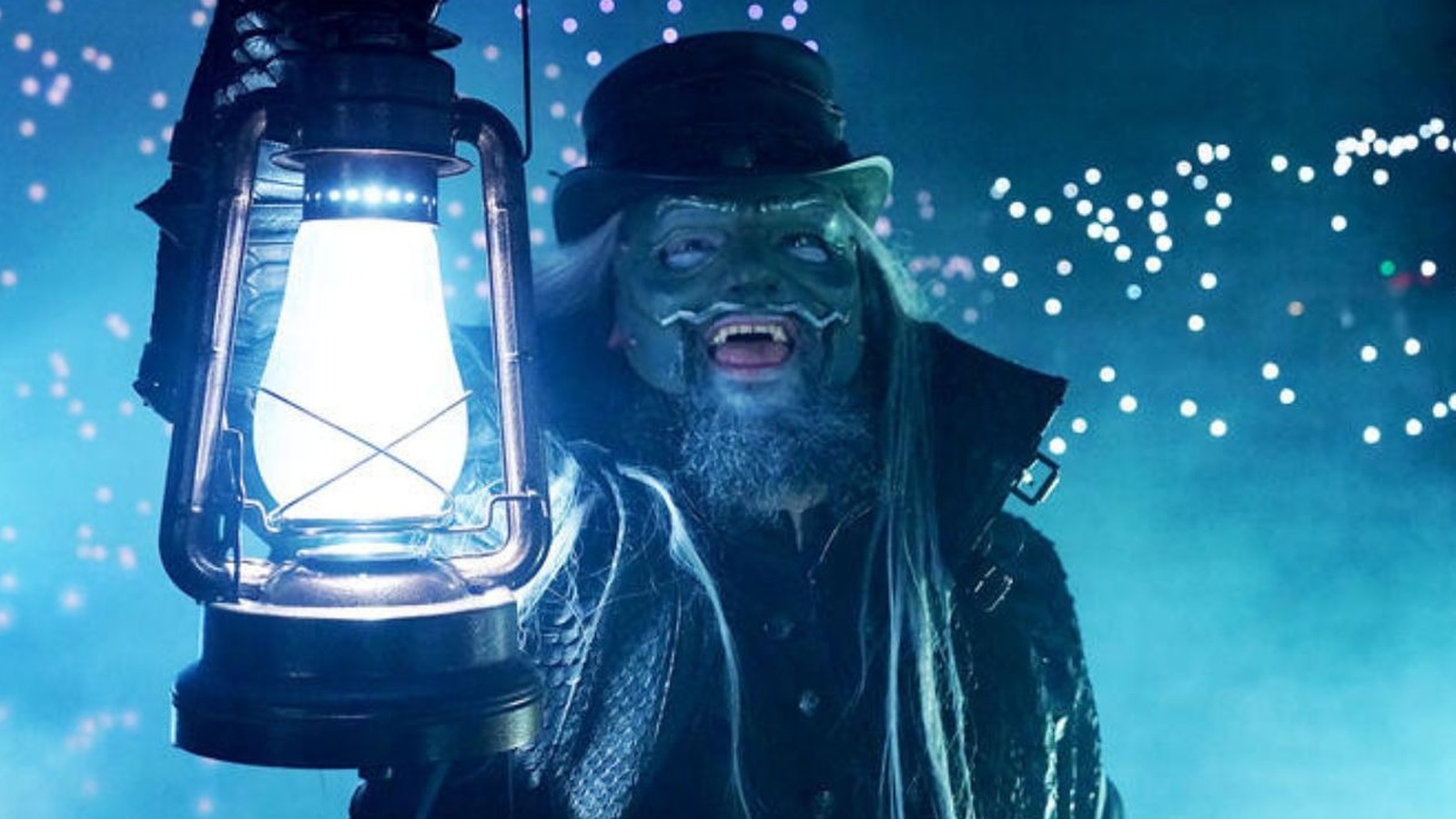
Erick Rowan, Dexter Lumis, Joe Gacy, and Bo Dallas are all gone. This wasn't just a trimming of the edges. This was a tactical strike on a faction that occupied significant television time and production resources. While the QR code mystery was a digital success, the transition to in-ring work never quite justified the overhead. The Wyatt Sicks was a creative sinkhole that spent too much time on cryptic imagery and not enough on the actual wrestling product. By releasing Bo Dallas, the company has effectively closed the book on the Bray Wyatt legacy as a functional television entity. It is a cold, business-first decision that prioritizes the bottom line over the emotional connection many fans still held for that world.
The removal of Erick Rowan and the Wyatt Sicks is particularly telling given the effort spent on their recent return. Rowan had only just been re-integrated into the system. To bring a veteran back, build a months-long narrative, and then fire the entire unit suggests a sudden, sharp pivot at the executive level. This isn't how a stable company manages talent; this is how a corporation reacts to a shift in quarterly projections. The lore didn't move the needle enough, and the cost of the smoke and mirrors was likely the first item highlighted for deletion during the latest budget review sessions.
The Santos Escobar paradox and the midcard vacuum
Perhaps the most baffling exit is Santos Escobar. Since his debut in the Cruiserweight division, Escobar has been the most polished, TV-ready talent on the roster. He was a main-event level promo with a ring style that bridged the gap between traditional lucha libre and the modern WWE main-roster aesthetic. His work as the leader of Legado del Fantasma was the backbone of the midcard for the better part of two years. To let a performer of his caliber go, especially when he was actively involved in high-profile storylines, suggests that no one is truly safe. Escobar's Phantom Driver was one of the few protected finishes left in the company, yet his status was as fragile as a developmental rookie's.
Releasing Kairi Sane and Alba Fyre in the same wave further weakens a women's tag team division that was already struggling for identity. Sane is a world-class technician whose Insane Elbow is the gold standard for top-rope finishers. Her return to the company was hailed as a major coup, yet she was rarely given the platform to replicate her NXT-era dominance. This is the recurring flaw in the current system: the talent is recruited with fanfare but managed with a lack of foresight that inevitably leads to these mass release cycles. We are seeing a pattern where top-tier international stars are treated as interchangeable assets rather than long-term investments.
The Motor City Machine Guns release is equally jarring. Alex Shelley and Chris Sabin represent one of the greatest tag teams in the history of the business. Their signing was supposed to revitalize the tag team ranks. Instead, they were gone before they could even finish a meaningful program. It suggests a complete breakdown in communication between the talent relations department and the creative team. You do not sign the Machine Guns just to release them months later unless there is a fundamental disagreement about their value at the highest levels of TKO management.
The Rock's SEC statement and the optics of austerity
The timing of these releases creates a PR nightmare when viewed alongside the latest financial disclosures. Just as 15+ performers were being told their services were no longer required, The Rock's SEC statement was released, detailing massive travel expenses and royalty payouts for 2025. While Dwayne Johnson is a board member and a global icon, the optics of paying for private jets and multi-million dollar appearance fees while firing a **decade**-long veteran like Apollo Crews are atrocious. It highlights a widening gap between the untouchable elite and the rank-and-file wrestlers who actually populate the 300-day-a-year touring schedule.
Apollo Crews had been with the company for over a **decade**. He was the ultimate utility player, a man who could deliver a flawless standing moonsault or a believable heel promo on command. He was the kind of reliable pro who keeps the gears of the midcard turning. His release, as reported by Ringside News, marks the end of an era for wrestlers who provide depth but don't possess the massive social media footprint required by the new regime. In the TKO era, being a great wrestler is no longer sufficient; you must be a scalable brand or you are a liability.
The Rock's royalties alone would likely cover the salaries of every person released on April 24. This isn't to say that Johnson hasn't earned his keep, but it exposes the raw reality of the modern WWE. The company is no longer a wrestling promotion that makes money; it is a media rights conglomerate that occasionally stages wrestling matches. The performers are increasingly seen as line-item expenses rather than the lifeblood of the product. When a veteran like Crews is cut after ten years of service, it sends a message to the entire locker room that loyalty is a one-way street.
The NXT talent drain and the death of Chase U
The cuts reached deep into the developmental system, most notably with the release of Andre Chase. As a two-time NXT Tag Team Champion, Chase was the heart of the Chase U gimmick, one of the few developmental stories that actually moved merchandise and resonated with the live crowd in Orlando. Andre Chase announced on X that he was no longer with the company, a move that effectively kills a stable that had become a fixture of Tuesday nights. It is a bizarre decision to cut a performer who is actively helping younger talent find their footing while also being over with the audience.
Dante Chen's release is another head-scratcher. Chen was a workhorse in the midcard, often used to make others look good while showing flashes of his own potential. These are the releases that hurt the product in the long run. When you gut the middle and lower tiers of the roster, you lose the texture of the show. You end up with a top-heavy program where the same six stars cycle through the same three match variations because there is no one left to build new stars against. The developmental system is supposed to be a pipeline, but it is currently behaving more like a sieve.
The purge of Joe Gacy and Dexter Lumis also guts the character diversity of the brand. Lumis, with his silent stalker persona, provided a unique visual and narrative tool that broke up the monotony of standard promos. Gacy was a polarizing but undeniably hardworking performer who committed fully to every strange direction he was given. By removing these outliers, WWE is moving toward a more homogenous, sterilized version of wrestling. They want athletes who look like they belong on a fitness magazine cover, even if it means sacrificing the weird, theatrical elements that made wrestling a unique art form in the first place.
The cold reality of the post-WrestleMania bloodbath
We are living through a fundamental shift in how professional wrestling is managed. The post-WrestleMania cuts used to be a way to clear out those who were truly doing nothing. This wave feels different. It feels like a structural adjustment. When you release talent of the caliber of Santos Escobar and Kairi Sane, you are making a statement that the current roster is bloated beyond the acceptable margins of a TKO-owned entity. The efficiency of the machine is now more important than the quality of the gears.
There is no more room for "good hands" or "reliable veterans" in the middle of the pack. You are either a top-tier revenue generator or you are on the chopping block. The Wyatt Sicks massacre is the most glaring example of this new surgical approach to creative failure. For years, the company would let underperforming acts linger in catering. Not anymore. If the ROI isn't there, you are gone. It's a ruthless, clinical way to run a creative business, and it leaves the product feeling colder and more corporate than ever before.
The irony is that as WWE's stock price and media rights deals hit record highs, the actual roster is becoming increasingly thin. They are betting that the brand itself is the draw, and that the individual names on the poster don't matter as much as the three letters in the logo. It's a dangerous gamble. Wrestling history is littered with companies that thought they were bigger than their talent. On April 24, WWE doubled down on that belief, and the cost was the careers of some of the most talented performers in the industry.
Read Next
WWE Cody Rhodes American Nightmare Claim Your Kingdom T-Shirt
Finish your story with the official tee of the American Nightmare.
Frequently Asked Questions
Which WWE wrestlers were released from the Wyatt Sicks faction?
Why did WWE release Santos Escobar during the April 24 cuts?
What was the reason behind the sudden dismantle of the Wyatt Sicks?
Which female wrestlers were affected by the April 2026 roster cuts?
How do board member payouts compare to the recent WWE talent releases?
More Coverage

Sidney Akeem's meteoric jump to the main roster is still baffling fans
2 hours ago
The 10 Defining Moments of 2026: Pro Wrestling’s High-Stakes Year
2 hours ago
Why AAA's NYC involvement signals a major shift for WWE's international strategy
2 hours ago
Becky Lynch has been gone for six weeks and Raw is feeling the pinch
2 hours ago
Paige, leaks, and why the surprise return is dying a slow death
3 hours ago
AJ Styles is right to be skeptical about a WWE Japan expansion
3 hours agoMore Analysis
WWE’s aggressive roster purge signals a shift in talent strategy
2 months, 3 weeks ago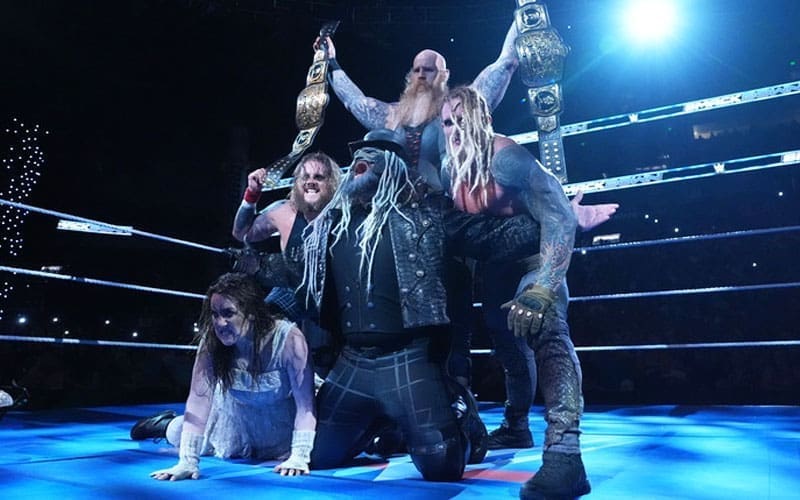
WWE just gutted the Wyatt Sicks and the roster looks thinner already
2 months, 2 weeks ago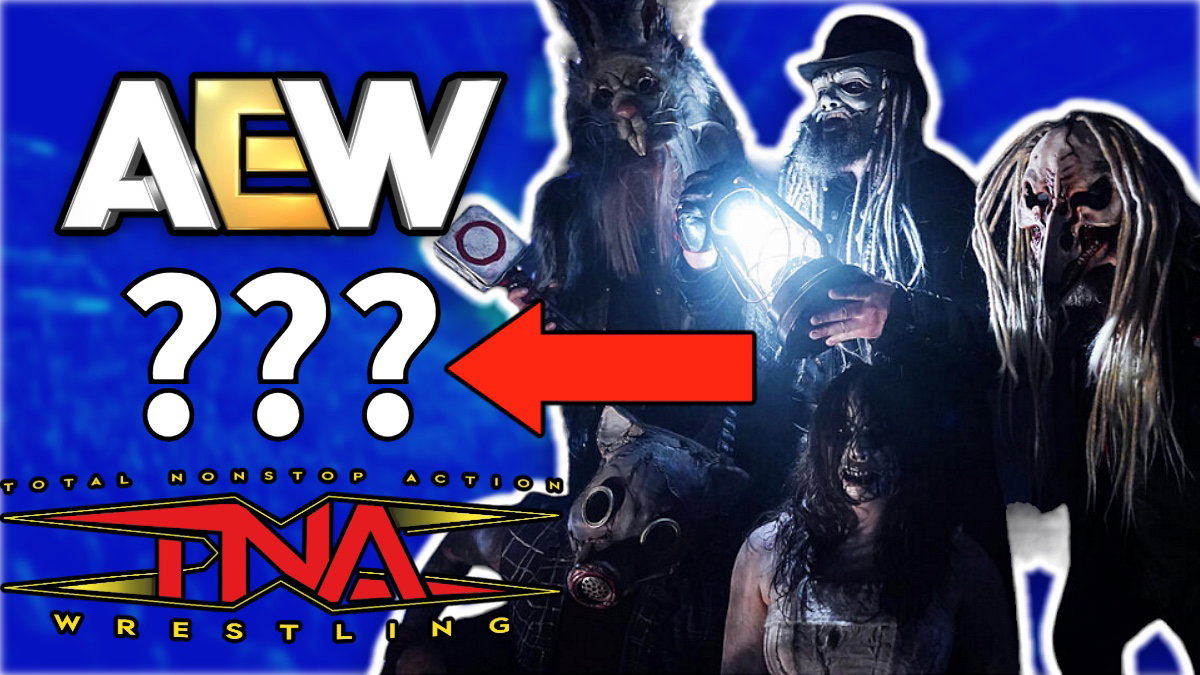
WWE Just Nuked the Wyatt Sicks and the Spooky Era is Dead
2 months, 1 week agoWWE’s April cuts prove nobody is safe in the TKO era
2 months, 3 weeks ago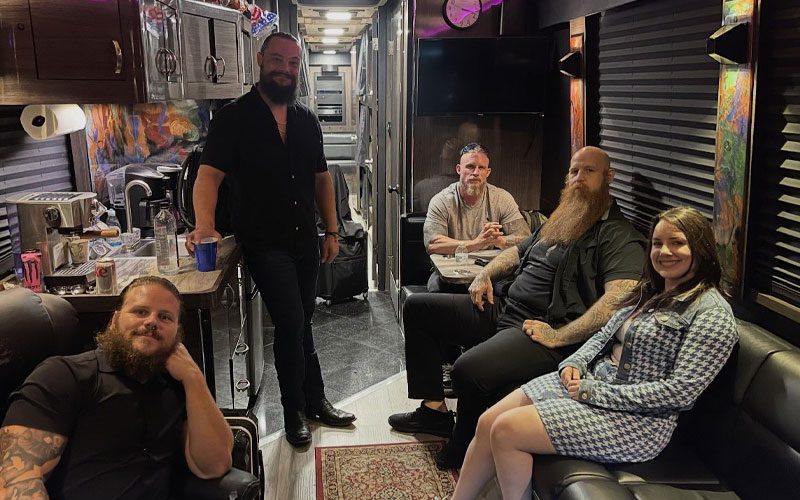
WWE Gutted The Wyatt Sicks And The Internet Is Losing Its Mind
2 months, 3 weeks ago