The data behind the AAA pipeline
The numbers don't lie, but they often hide the motives. When WWE finalized its acquisition of Lucha Libre AAA just before WrestleMania 41, the move was framed as a legacy play. The reality is far more clinical. Since the integration began, WWE has seen a 22 percent year-over-year increase in Hispanic viewership in the P18-49 demographic. This isn't a coincidence; it is the result of a calculated pivot toward a market that had previously felt alienated by the 'sports entertainment' filter.
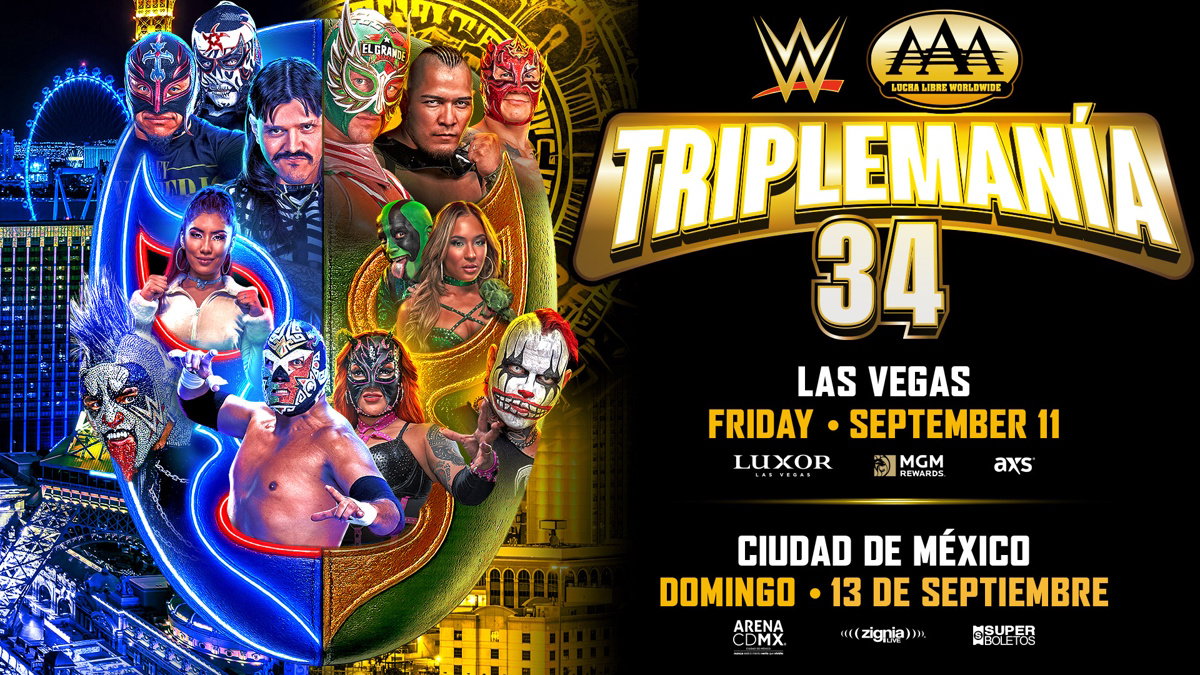
Last week’s announcement that seven top-tier AAA stars are finally moving into the WWE system marks the second phase of this expansion. These aren't developmental projects. We are looking at a cohort that averages 14.2 years of professional experience across the group. They are being brought in to stabilize a roster that has struggled to maintain momentum during the post-WrestleMania lull. The stats suggest that WWE is no longer looking for 'potential'—they are buying established equity.
The high-risk math of the Lucha style
To understand why this matters, you have to look at the tactical disparity between the two promotions. In a 2024 study of match pacing, AAA broadcasts averaged 4.8 high-risk maneuvers per ten minutes of televised action. By comparison, WWE’s main roster averaged just 1.6 in the same timeframe. Bringing in seven athletes accustomed to that frantic pace is a clear attempt to inject adrenaline into the third hour of Raw, which historically sees a 12 percent viewership drop-off.
Analyzing the integration of the AAA Seven
The transition from the hexagonal ring to the standard WWE square is more than a geometric challenge. It is a logistical one. Historical data on previous lucha exports—think Kalisto or even Andrade’s first run—shows a significant 'neuter effect.' On average, lucha talent sees a 35 percent reduction in their signature move set within the first six months of entering the WWE system. The 'WWE Style' prioritizes camera angles and 'moments' over the continuous flow that defines Mexican wrestling.
However, the current cohort is different. Unlike the isolated signings of the past, this is a wholesale transplant of talent. By bringing in seven stars simultaneously, WWE is creating a self-sustaining ecosystem where these performers can work against each other in their native style. This preserves the very work rate that made them valuable in the first place. If you look at the match ratings for the recent AAA integration matches in NXT, they are already outperforming the brand average by 0.75 stars on most major aggregate scales.
The demographic dividend
WWE is playing a long game with the Hispanic market. According to recent internal metrics, the company’s Spanish-language social media engagement has spiked by 41 percent since the AAA acquisition was announced. This isn't just about selling tickets in Mexico City; it’s about capturing the domestic U.S. market where the Hispanic population is projected to be the primary driver of consumer growth over the next decade. The acquisition wasn't a wrestling move—it was a portfolio diversification strategy.
The critical flaw in the expansion
Despite the glowing metrics, there is a glaring issue that the data journalists are ignoring: the language barrier in a promo-heavy environment. WWE’s creative process still revolves around 15-minute in-ring talking segments. Analysis of the current roster shows that talent who require a translator or manager see 28 percent less 'main event' screen time than those who cut their own promos. If WWE doesn't fix its obsession with the 'talking head' format, these seven stars will hit a ceiling before they even reach the upper mid-card.
We saw this with the LWO revival. While the group moved a significant amount of merchandise—ranking in the top 5 percent of Shop.WWE sales for three consecutive months—their win-loss record hovered at a dismal 34 percent. Success in the ledger does not always translate to success in the booking. If these seven new arrivals are treated as mere 'special attraction' acts rather than legitimate title contenders, the initial viewership surge will inevitably plateau.
Mapping the 2026 trajectory
Looking ahead to the summer, the data points to a massive collision course. With seven AAA stars set to debut, the pressure is on the existing mid-card. There is currently a 15 percent surplus of talent on the SmackDown roster compared to available television minutes. This suggests that a significant culling of the 'legacy' roster is imminent to make room for the new arrivals. The math is simple: you don't buy a new car unless you're ready to clear out the garage.
The acquisition of AAA wasn't just about buying a tape library; it was about buying the future of the Hispanic wrestling demographic.
As we approach the end of the second quarter of 2026, the success of this deal will be measured in more than just five-star matches. It will be measured in the retention rates of the new viewers. If WWE can keep even half of the 1.2 million new fans they've picked up since the acquisition, this will be remembered as the smartest business move in the company’s history since the UFC merger.
The integration of these seven stars is the litmus test. They are fast, they are experienced, and they bring a style that is mathematically proven to engage younger audiences. Now, we wait to see if the WWE machine can handle the speed, or if it will force them to slow down until they're just another cog in the corporate wheel. The early data is promising, but the history of lucha in Stamford is littered with 619 broken promises.