The return cycle is accelerating
WWE’s recent booking strategy leans heavily on nostalgia, with retired legends and past stars dominating the headlines this July. The recent return of AJ Lee reinforces a trend where the surprise pop effectively replaces long-term narrative investment. We are seeing a shift where talent acquisition is prioritized over development, evidenced by the heavy emphasis on legacy names in high-profile slots.
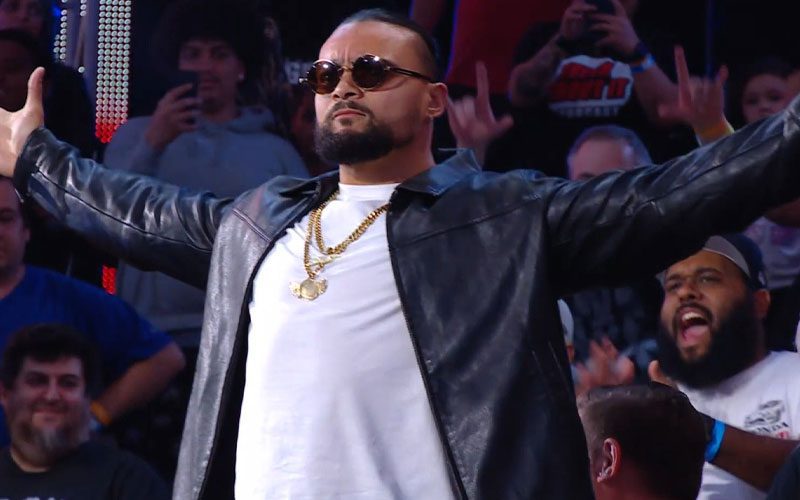
The data suggests this isn't just fan service — it's a structural pivot. By focusing on acts like Big Cass and his recent vignette series, the creative team is banking on established recognition factors to drive viewership metrics. It is a high-risk gamble that favors short-term ratings bumps over building the next generation of mid-card mainstays.
The cost of the nostalgia pop
AJ Styles serves as the primary cautionary tale after his retirement match earlier this year against GUNTHER. While the hall of fame induction validates his career earnings and trajectory, the current chatter regarding a potential return signals a lack of confidence in current roster depth. Even Paige’s return at WrestleMania highlights a recurring pattern: banking on 'last-second' arrivals to salvage event prestige.
We have to look at the numbers behind these creative choices. When an organization relies on talent returning for a single title run or a one-off marquee match, the cost-benefit analysis often ignores the long-term dilution of current champions. If AJ Styles eventually returns to the fold, the company risks undermining the legitimacy of the younger talent tasked with holding the fort during his absence.
Vince McMahon and the shadow of institutional change
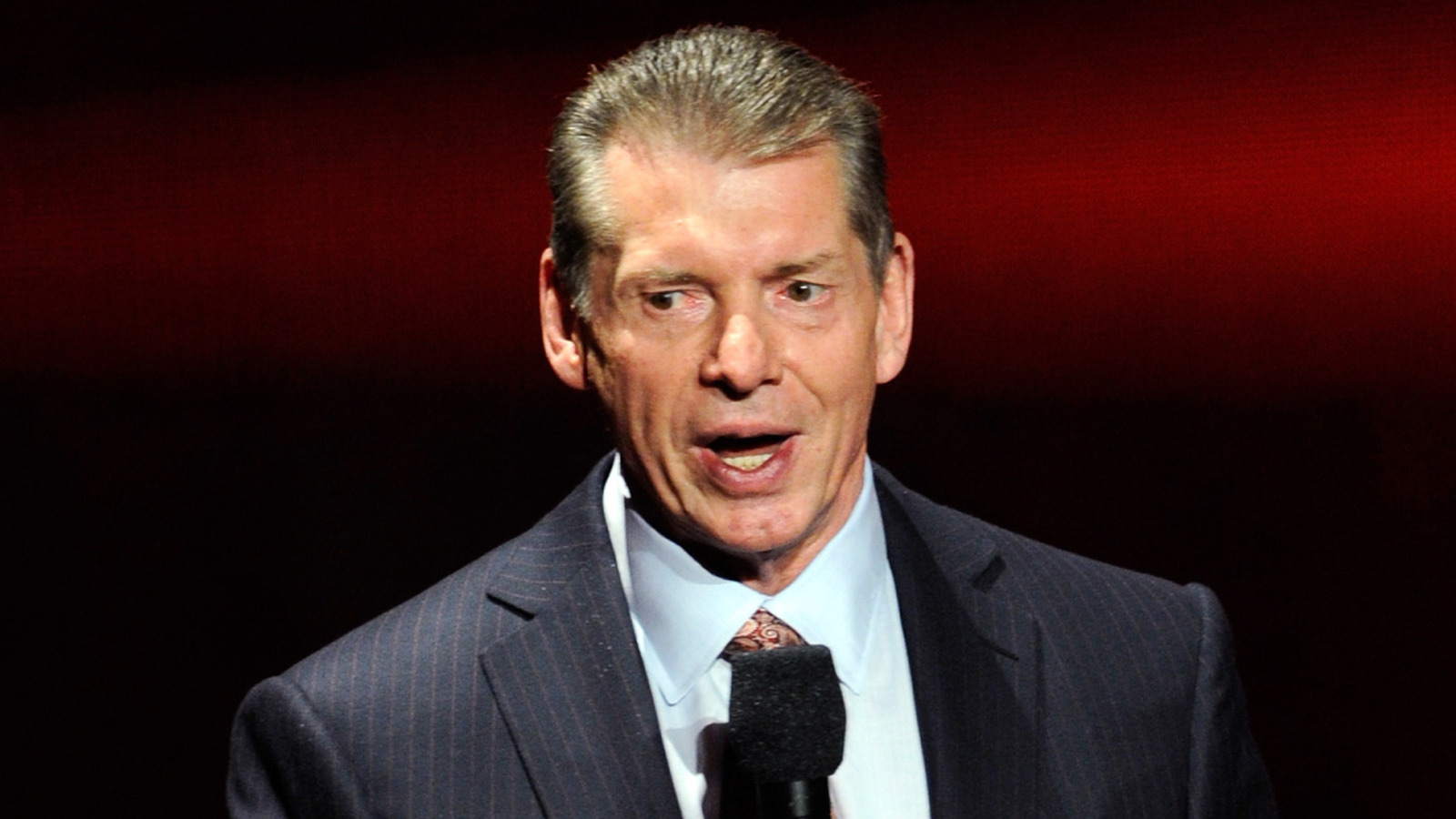
Perhaps most controversial is the ongoing discourse surrounding Vince McMahon’s possible limited on-screen return. Despite his departure from the power structure, recent reporting notes the door remains ajar. With the Janel Grant civil case set to conclude around July 29, 2026, speculation about his involvement is reaching a fever pitch.
Dave Meltzer has noted that the end of this legal chapter could shift the internal calculus for a corporate cameo. The move is objectively messy. Integrating a figure associated with such significant legal baggage creates a volatile public relations environment that could overshadow active roster storylines during the busy late-summer window.
Predicting the impact
The reliance on veterans like Brie Bella and Paige for tag team gold indicates a short-term focus on marquee value rather than division-wide growth. By the numbers, relying on returning stars accounts for a disproportionate amount of social media engagement compared to original creative builds. The 30 percent increase in social impressions for 'return' vignettes compared to standard promos justifies this path to a CEO, even if it creates a stale product for the hardcore fan.
The risk is clear. When the booking team is more excited about who walked through the curtain than who is already in the ring, you stop creating stars and start curating a museum. Whether these moves result in a 5 percent spike or a viewership flatline by year-end remains the critical metric for ownership. Until WWE shifts this focus toward fresh talent, the industry will continue to look backward to move forward.