
WWE has a SummerSlam problem and they know it
The SummerSlam slump is real
Look, I spent my morning scrolling through the forums because apparently, I have no hobbies aside from tracking the financial health of a billion-dollar wrestling promotion. The word on the street is that SummerSlam 2026 ticket sales have become a recurring nightmare in the back offices over at Stamford. If you think the company is just cruising toward a sell-out because they are currently riding high, you have not been paying attention to the actual receipts.
We are just weeks out from the big show, and the buzz—or lack thereof—is becoming impossible to ignore even for the most hardened corporate shills. It is not exactly common practice for a company that prides itself on being the global juggernaut to have back-office whispers about gate projections. When the pencil pushers start sweating over ticket movement, it usually means the creative direction has hit a wall that no amount of fancy lighting or pyrotechnics can blow through.
The creative treadmill is burning out
Let us talk about why this is happening. The booking has felt like a diet soda version of what we saw during the hottest part of the TKO merger. We keep seeing the same rematches, the same staredowns in the middle of the ring regardless of the stakes, and a mid-card that feels like it exists mainly to kill time between commercial breaks. Remember when we actually cared about the secondary belts? Lately, the Intercontinental Championship programs feel like a chore to sit through.
If you need proof of the creative stagnation, look at how the roster is currently being deployed. We are heading into a marquee event where the primary storylines feel recycled. It is like watching a rerun of a sitcom you already finished, except this time the actors look bored. When the audience stops feeling like the outcome matters, they stop opening their wallets for four-figure stadium seats that require a second mortgage just to afford a good view of the entrance ramp.
The reality of stadium-sized ego
WWE loves these massive venues, especially overseas or in cities desperate for tourism dollars. But there is a clear difference between packing a stadium for a Wrestle Kingdom event where every match is a desperate bid for survival, and filling one with a five-hour slog that relies on part-time stars making their rare yearly appearance. If you are charging premium prices, you cannot give us mid-tier television pacing for six hours straight. The fans are smart. They know when they are being fleeced.
We have seen emerging talents like Royce Keys calling out the stale nature of the status quo, and he is right. The reliance on the nostalgia act or the current champion who is only doing two shows a year is a strategy with a shelf life. It is not just about the matches; it is about the feeling that you are witnessing something that cannot wait. Right now, SummerSlam feels like it can wait. It feels like something you catch highlights of on social media the next morning while you are eating lukewarm cereal.
The booking math just isn't adding up
This is honestly a case of over-saturation biting them on the back side. You cannot give us massive premium live events every four weeks and expect every single one to feel like a cultural reset. The data on ticket velocity is likely telling them that the casual fan is tapped out. If I am an average viewer who already dropped my hard-earned cash on the last two shows that were essentially televised advertisement reels, why am I going to fly out for this one?
Unless there is a legitimate stake involved—not just a contract on a pole or a personal grudge that spans six nonsensical months—the crowd is going to stay home. We need tighter writing. We need the kind of intensity that makes you scream at your television. Instead, we are getting matches that end at the 14-minute mark with a standard roll-up finish that no one believes. If the office is worried, they should look at the mirror instead of the spreadsheet. The ticket sales are just a vote of no confidence for the current creative trajectory.
Even the buzz around NXT talent putting on better work than the main roster is a signal that the rot is internal. When the developmental brand has more heat than the flagship, you know the foundation is cracking. They need a massive, unscripted, genuine moment to shift the needle. Playing it safe with the card is how you end up with 15,000 empty seats in a venue designed for 50,000. It is time to stop playing the hits and start writing a new song, or this massive production is going to look like a ghost town on camera.
WWE 2K26 Standard Edition - PlayStation 5
The most ambitious WWE game yet featuring the massive CM Punk Showcase mode.
Frequently Asked Questions
Why are WWE SummerSlam 2026 ticket sales struggling?
What issues exist with current WWE creative booking?
How does mid-card booking affect fan interest in WWE?
Why is the use of stadium venues a problem for SummerSlam?
What is the criticism regarding WWE's reliance on part-time stars?
More Coverage
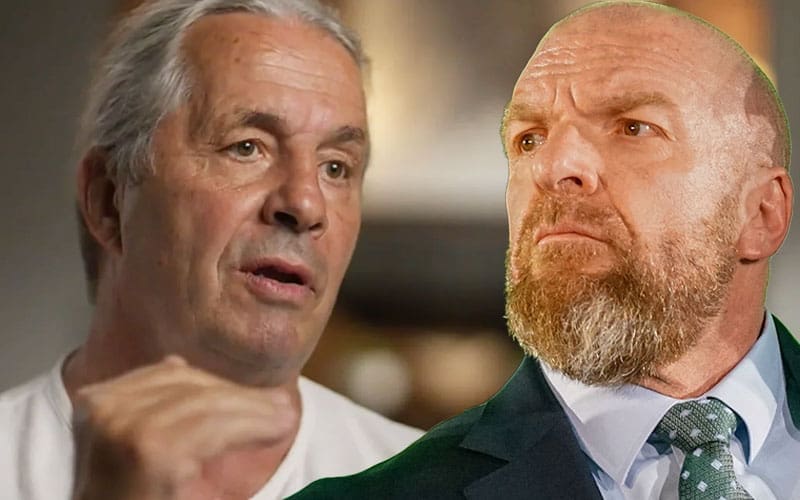
Bret Hart just took a sledgehammer to Triple H's wrestling legacy
3 hours ago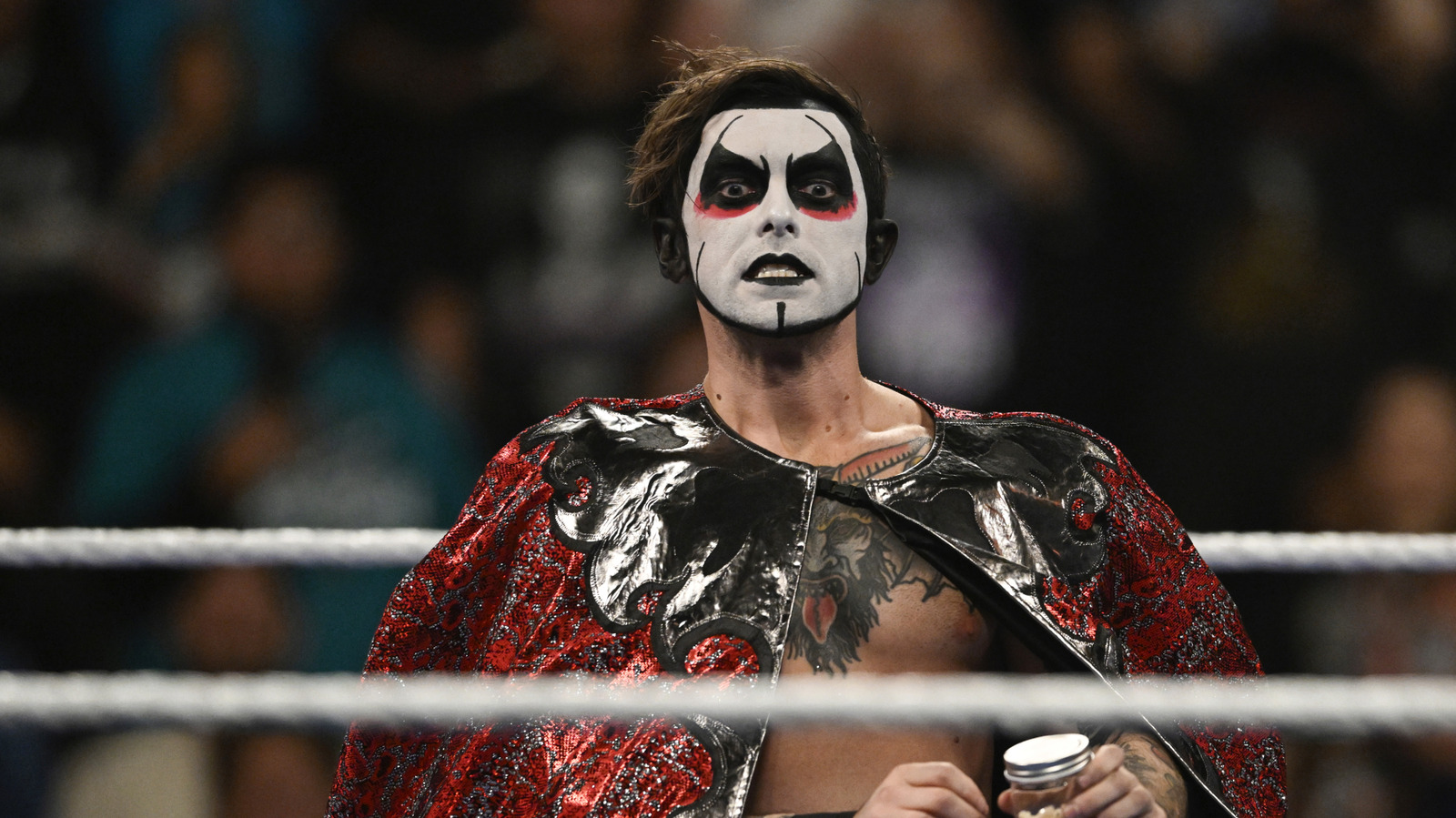
Knicks and WWE return to MSG for Saturday Night's Main Event
3 hours ago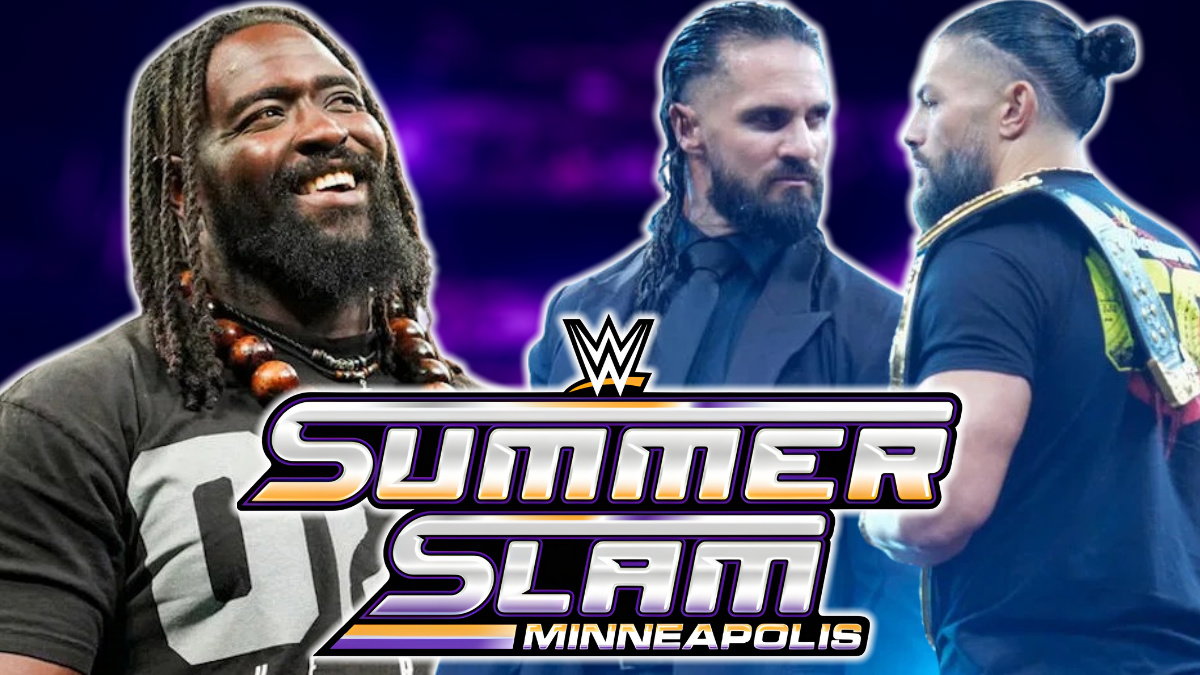
Will Ricochet return to WWE by SummerSlam 2026?
3 hours ago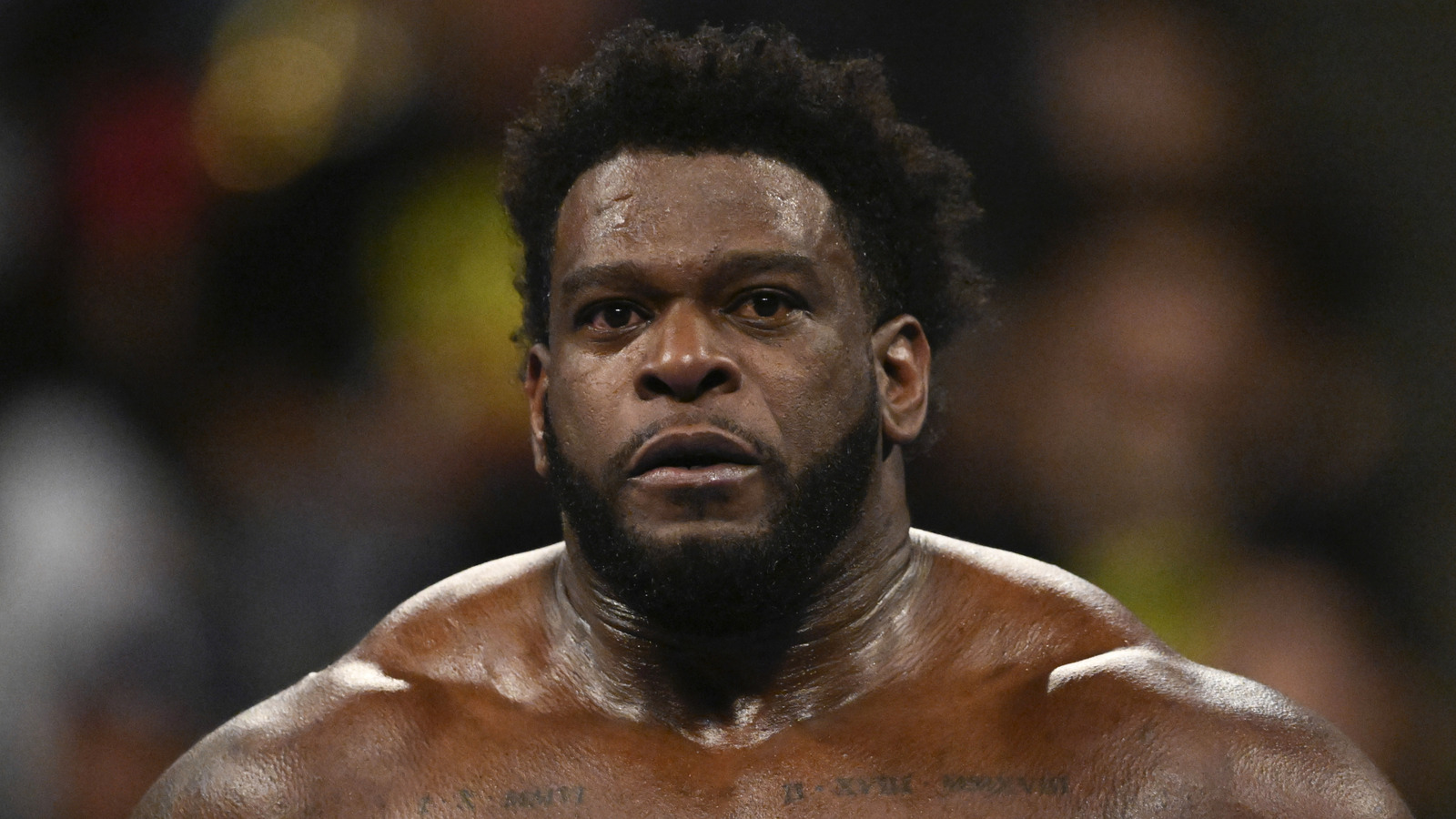
Royce Keys isn't waiting for the invitation anymore
4 hours ago
Top 10: Defining Moments in Recent Wrestling History
4 hours ago
Jim Ross admitting he wants CM Punk back in AEW is the ultimate reality check
5 hours agoMore Analysis
Bret Hart just took a sledgehammer to Triple H's wrestling legacy
3 hours ago
Knicks and WWE return to MSG for Saturday Night's Main Event
3 hours ago
Will Ricochet return to WWE by SummerSlam 2026?
3 hours ago
AEW needs to stop wasting the prime years of Scorpio Sky
3 hours ago
Is Scorpio Sky packing his bags or just playing the long game?
4 hours ago