The 2026 scheduling bottleneck
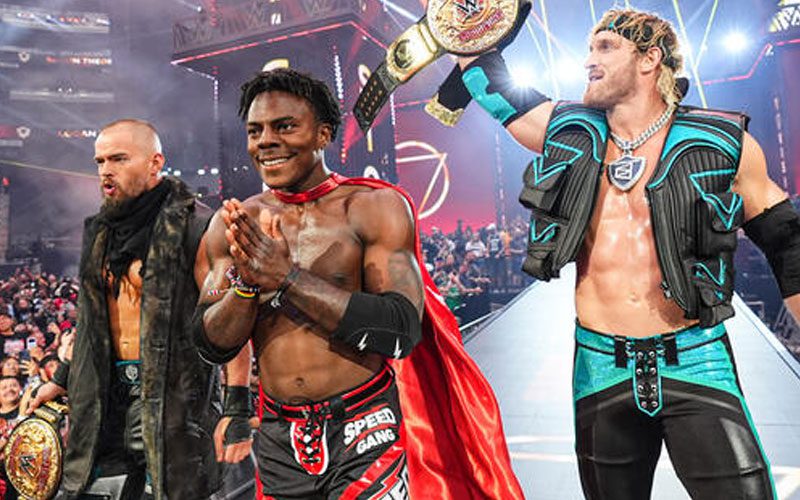
WWE enters the final stretch before Backlash 2026 facing a vacuum of long-term planning. While Roman Reigns remains the promotional anchor for Night of Champions, structural components like the 2026 Draft remain absent from the internal conversation. The company appears to be leaning into short-term event pivots rather than season-defining rebrands.
As Ringside News reports, internal chatter regarding a draft has essentially stalled. This lack of direction forces creative teams to operate in a holding pattern. Without a roster reset, audience engagement often plateaus because matchups become predictable sequels rather than fresh conflicts.
The Saudi Arabia event strategy
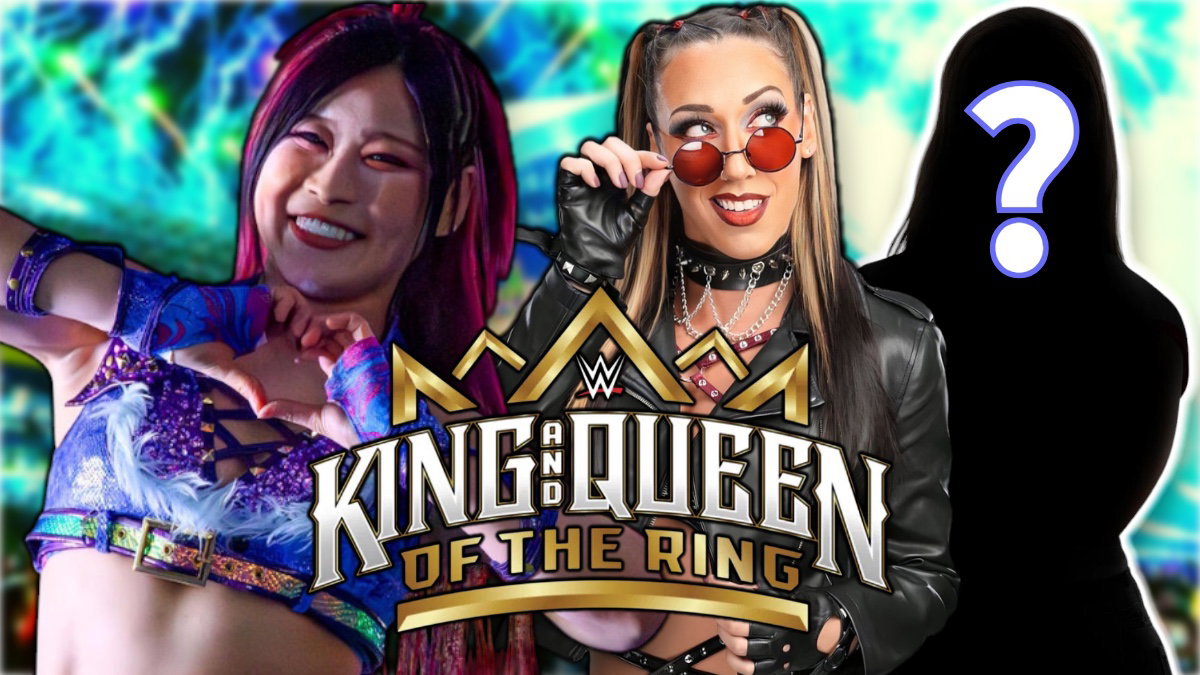
The company is doubling down on international tentpole events to maintain momentum. The Queen of the Ring tournament is again slated for a Saudi Arabia showcase, mirroring the logistics of previous years. While these shows provide massive revenue, they create a grueling travel schedule for talent already tasked with maintaining peak physical condition for weekly television.
The physical toll of these transcontinental flights cannot be overstated. Wrestlers often deal with fluid retention and metabolic disruption from crossing eight time zones in 48 hours. When you combine this travel with the high-impact nature of tournament-style booking, the risk of fatigue-related soft tissue injuries spikes significantly.
Cena and the Backlash pivot
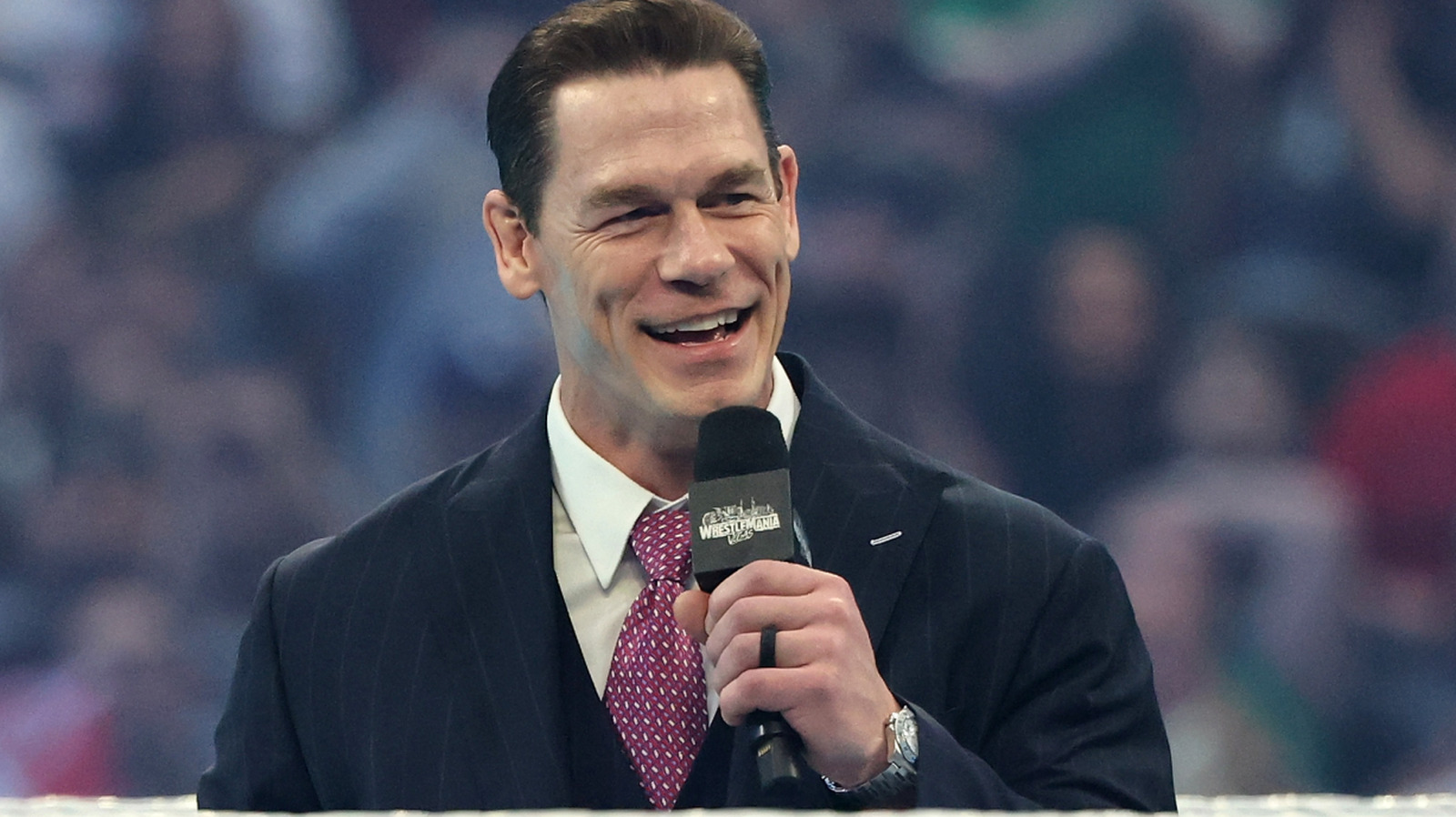
John Cena is inserting himself into the Backlash conversation following his hosting stint at WrestleMania. WrestleTalk notes that Cena’s social media activity is fueling anticipation for a potential return to the active roster. However, managing a part-time legend’s schedule while building new stars requires surgical precision.
If the medical staff sees high internal fatigue scores among the full-time roster, bringing in a star like Cena could inadvertently bench rising talent who need those televised minutes to grow. Development is about reps; if the top of the card is blocked by legends during a period of minimal roster movement, the mid-card becomes stagnant.
Historical performance and the injury risk
History shows that when WWE avoids a formal draft, roster depth suffers. Without the forced injection of new blood into different show environments, injury rehabilitation becomes more pressured. Veterans often find themselves working through sub-acute injuries because the creative staff hasn't established a secondary talent pool to step into those slots.
The lack of a draft creates a static environment where lingering wear-and-tear on joints—shoulders, knees, and lumbar discs—rarely gets the 4-6 weeks of time off required for proper recovery. Wrestling is a 52-week sport, but the human body is not a machine designed for that output. When the talent management team lacks a clear plan, they frequently underestimate the medical reality of their primary performers.
Strategic blind spots
The reliance on posters and high-profile stars like Roman Reigns to anchor events like Night of Champions is a band-aid, not a cure. If the primary box office draw suffers a setback, there is zero cushion in the current roster architecture. Relying on past popularity rather than building out the bench is a strategy that has backfired for promoters across the industry for decades.
Booking mistakes compound physical risks; when agents script complex, high-risk spots to cover up for a lack of narrative momentum, the injury probability increases by a factor of ten. The company needs to prioritize roster circulation to allow for active recovery cycles. If stars don't have downtime, the product eventually degrades into a series of diminished returns where the performers are moving slower and reacting with less precision than their previous iterations.
Looking toward May
Backlash 2026 is roughly 12 days away. That is a dangerous window for talent. Wrestlers often increase their training intensity to maximize their physical appearance for a big show. This is when overtraining syndrome manifests. We see increased instances of strained pectoral muscles and tendonitis in the lead-up to these events.
Medical teams have to monitor for elevated cortisol levels among the roster as travel resumes post-Mania. The decision to skip the draft suggests a comfort with the status quo that ignores the physical attrition of the current roster. If they do not rotate talent, the injury report will inevitably grow longer as the summer schedule intensifies.
Read Next
- Top 10: Top Moments of the WrestleMania 41 Era
- Top 10: Top Moments of WrestleMania 41 Month
- John Cena is staring down the endgame of a hall-of-fame career
- Top 10: The most defining moments from the WrestleMania 41 era
- 🏆 WrestleMania 41 — Full Coverage Hub
- 💥 WWE Backlash 2026 — Full Coverage Hub
- 👴 John Cena Retirement Tour 2026