
Wrestling's Obsession With Tomorrow Is Ruining John Cena's Goodbye
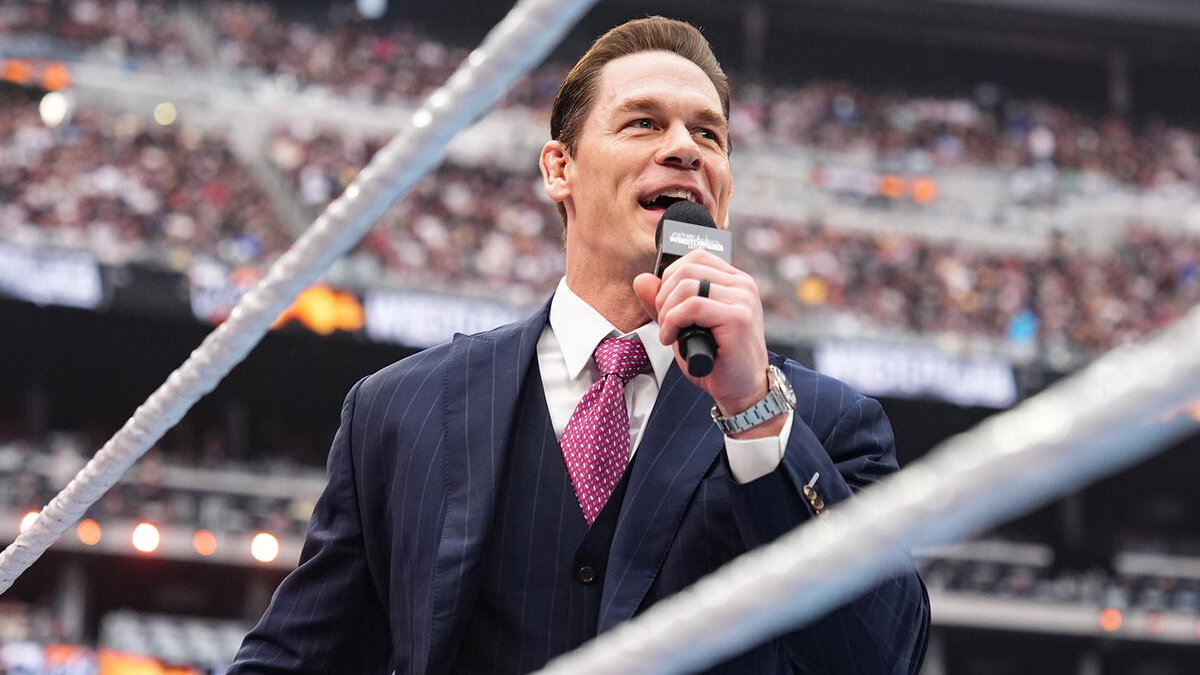
The Phantom WrestleMania
WrestleMania 41 isn't even cold. As of this morning, April 20, 2026, the confetti from Cody Rhodes’s championship defense is likely still being swept from the floors of Allegiant Stadium. We just witnessed night two of a weekend that delivered on its promise: John Cena’s farewell, the continued saga of the Bloodline, and a definitive statement on the new era of WWE. Yet, the wrestling internet, in its insatiable hunger for the *next* thing, is already churning out content about WrestleMania 42.
A report from outlet WrestleTalk began circulating with a headline claiming John Cena was addressing his “WWE WrestleMania 42 Role.” The article snippet is a masterpiece of temporal confusion, stating that “WWE WrestleMania 42 took place on April 18.” This is, of course, impossible. April 18 was two days ago, and it certainly wasn’t the stage for a non-existent event. The piece even ropes in AEW’s Danhausen, noting he “shared a moment with the retired star.”
This isn't journalism. It’s a symptom of a sickness in modern wrestling commentary — a frantic, algorithm-driven need to generate clicks by looking so far into the future that the present becomes a blur. It treats events not as stories to be savored, but as checklist items to be completed before moving on to the next fantasy booking session. And in this rush to discuss a phantom WrestleMania, we are actively missing the point of the very real, very important story happening right now: the final chapter of John Cena’s career.
A Career in Twilight
Let’s ignore the fever dream of WrestleMania 42 and focus on the facts. John Cena’s appearance at WrestleMania 41 was billed as a farewell. For years, his presence has shifted from franchise player to special attraction, a living monument who returns to test the next generation. We saw it with Austin Theory and Solo Sikoa. The pattern is clear: Cena’s purpose is no longer to win, but to anoint. His value is measured in the credibility he transfers to his opponents in defeat.
This is the “different perspective” the erroneous headline unknowingly stumbled upon. Cena’s perspective has indeed changed. He sees the business from the vantage point of a veteran whose duty is to replenish the ecosystem that made him. He is no longer the measuring stick; he is the master craftsman who calibrates the next one. Each appearance is a calculated gift of his aura, a deposit of legitimacy into the account of a younger talent.
The problem is that WWE’s booking of this final run has felt scattershot and disappointingly shortsighted. Instead of a grand, year-long narrative arc — a true “farewell tour” culminating in one last, meaningful war at WrestleMania — we’ve received a series of disjointed, one-off appearances. They generate a temporary pop and a flicker of interest, but they fail to build the sustained, emotional momentum that a legend of Cena’s stature deserves. His send-off is being treated like a series of cameos, not the epic final act of a Hall of Fame career.
The Critical Miss
This is the fundamental flaw in WWE's approach. They are booking John Cena's finale as if he’s just another part-timer, rather than the defining superstar of his generation. The WrestleMania 41 farewell felt significant, yes, but did it feel like the definitive end? Or just the latest, biggest nostalgia spot? A true farewell story requires a central antagonist, a clear objective, and rising stakes. It needs a narrative thread that connects each appearance, making the final match feel both inevitable and earned.
Think of Ric Flair’s retirement at WrestleMania XXIV against Shawn Michaels. The story was perfect. Flair’s career was on the line for months, with every match carrying the weight of his potential end. The final confrontation with Michaels was layered with respect, desperation, and history. The “I’m sorry, I love you” moment is seared into wrestling history because it was the climax of a masterful story, not just a great match.
Cena’s run, by contrast, has been a string of compelling but disconnected moments. The program with Solo Sikoa effectively built his opponent, but it ended and Cena vanished, the momentum dissipating into thin air. His WrestleMania 41 appearance, while a major part of the event, lacked the narrative gravity of a true, final bow. It was an emotional moment, but it wasn't the culmination of a story. It was a chapter, when it should have been the end of the book. This is a critical failure of long-term creative vision.
What a Real Farewell Looks Like
So what should a proper John Cena farewell have looked like? It required a singular focus. Imagine if, after his loss to Sikoa, Cena had announced on the microphone that he had one last run in him, targeting one final WrestleMania. The opponent shouldn't have been a peer or another legend. It needed to be the future. Not just any rising star, but a blue-chip prospect who could carry the torch for the next decade — a wrestler whose entire main roster identity could be forged in the fire of retiring John Cena.
Names like Bron Breakker or Carmelo Hayes come to mind. A program built over six months, with Cena appearing intermittently on television not just for matches, but for promos that question whether he still has what it takes. The chosen opponent would spend months dissecting Cena, claiming he’s a part-time movie star holding onto a spotlight he no longer deserves. The build would be personal, questioning Cena’s very ethos of “Hustle, Loyalty, and Respect” in an era that has moved on.
The final match at WrestleMania 41 would then become a crucible. A victory for the young star wouldn’t just be a win; it would be an ascension. They would have retired John Cena. It’s a claim that instantly makes a career, a permanent badge of honor that’s more valuable than any single championship reign. By treating Cena’s exit as a series of disconnected special events, WWE has generated short-term excitement but sacrificed the long-term, legacy-defining opportunity to create a new megastar.
Instead, here we are, the day after his grand farewell, and the content machine has already moved on to speculating about a WrestleMania that doesn’t exist in a year that feels a decade away. The conversation should be about the meaning of Cena’s final match, the quality of the story, and the future of the talent he elevated. Instead, it’s about clickbait headlines and fantasy booking. It's a disservice to a legend, and a clear sign that the relentless churn of the online news cycle is robbing us of the ability to appreciate the stories happening right in front of us.
Read Next
- Fans are completely divided over the chaos of WrestleMania 41 Night 2
- John Cena is leaving a statistical vacuum at WrestleMania
- WrestleMania 41 Night 1 is the John Cena funeral we aren't invited to
- Top 10: Top Moments from WrestleMania 41 Night 1
- 🏆 WrestleMania 41 — Full Coverage Hub
- 👴 John Cena Retirement Tour 2026
Hooked: How WWE's Record-Breaking Year is Changing the Wrestling Industry
A deep dive into the modern era of professional wrestling business and culture.
More Coverage

Fatal Influence are testing the durability of WWE's tag team division
58 minutes ago
Sami Zayn’s title reign remains the flashpoint of modern WWE booking
58 minutes ago
Why nostalgia-heavy podcasting is failing the current wrestling product
59 minutes ago
Cody Rhodes and CM Punk are drifting toward a collision course
an hour agoSummerSlam's new match has the internet split right down the middle
an hour ago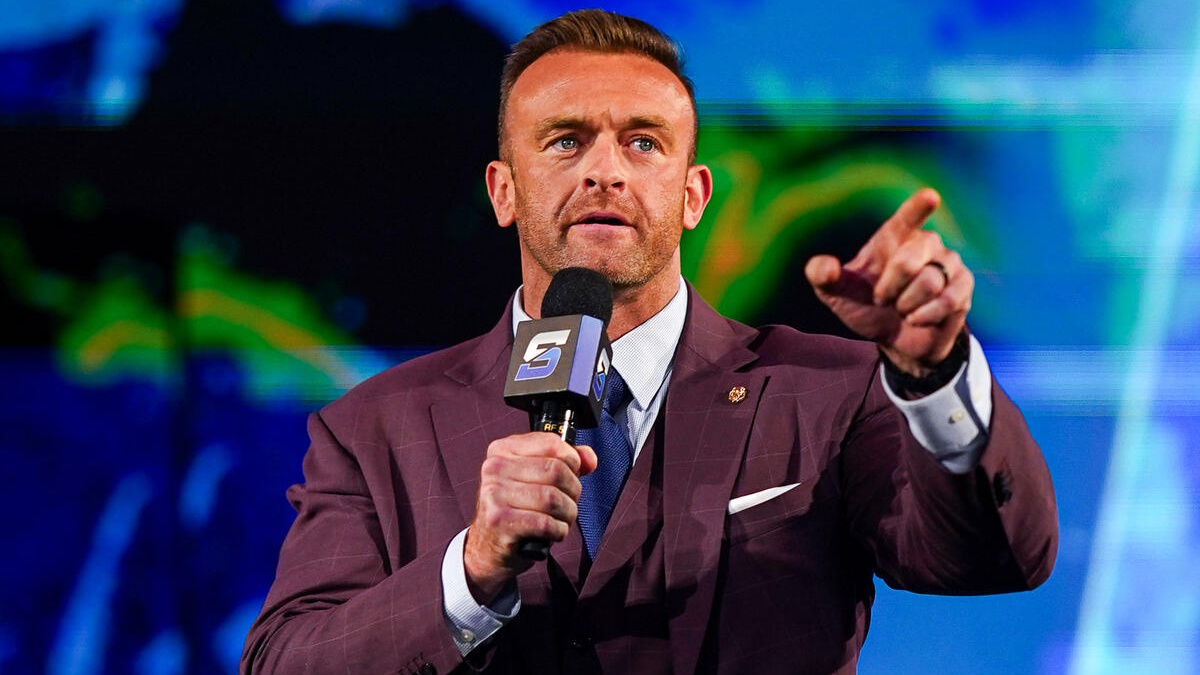
Nick Aldis is stepping back into the ring for SummerSlam
an hour agoMore Analysis

John Cena at WrestleMania 41 is the wrong way to go out
3 months, 3 weeks ago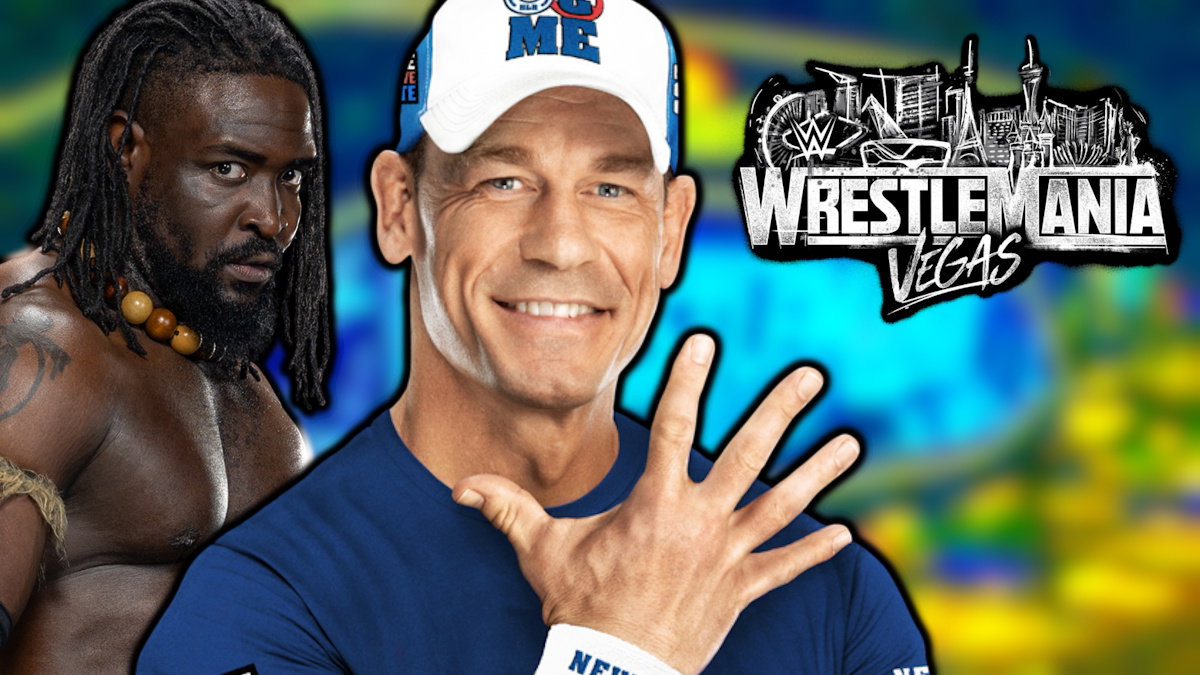
John Cena is avoiding the spotlight when the stadium is loudest
3 months, 2 weeks ago
John Cena’s final act is becoming a logistical nightmare
3 months, 2 weeks ago
John Cena’s final WWE run is hitting a crossroads
3 months ago
Why John Cena returning so soon feels like a miscalculation
3 months, 2 weeks ago