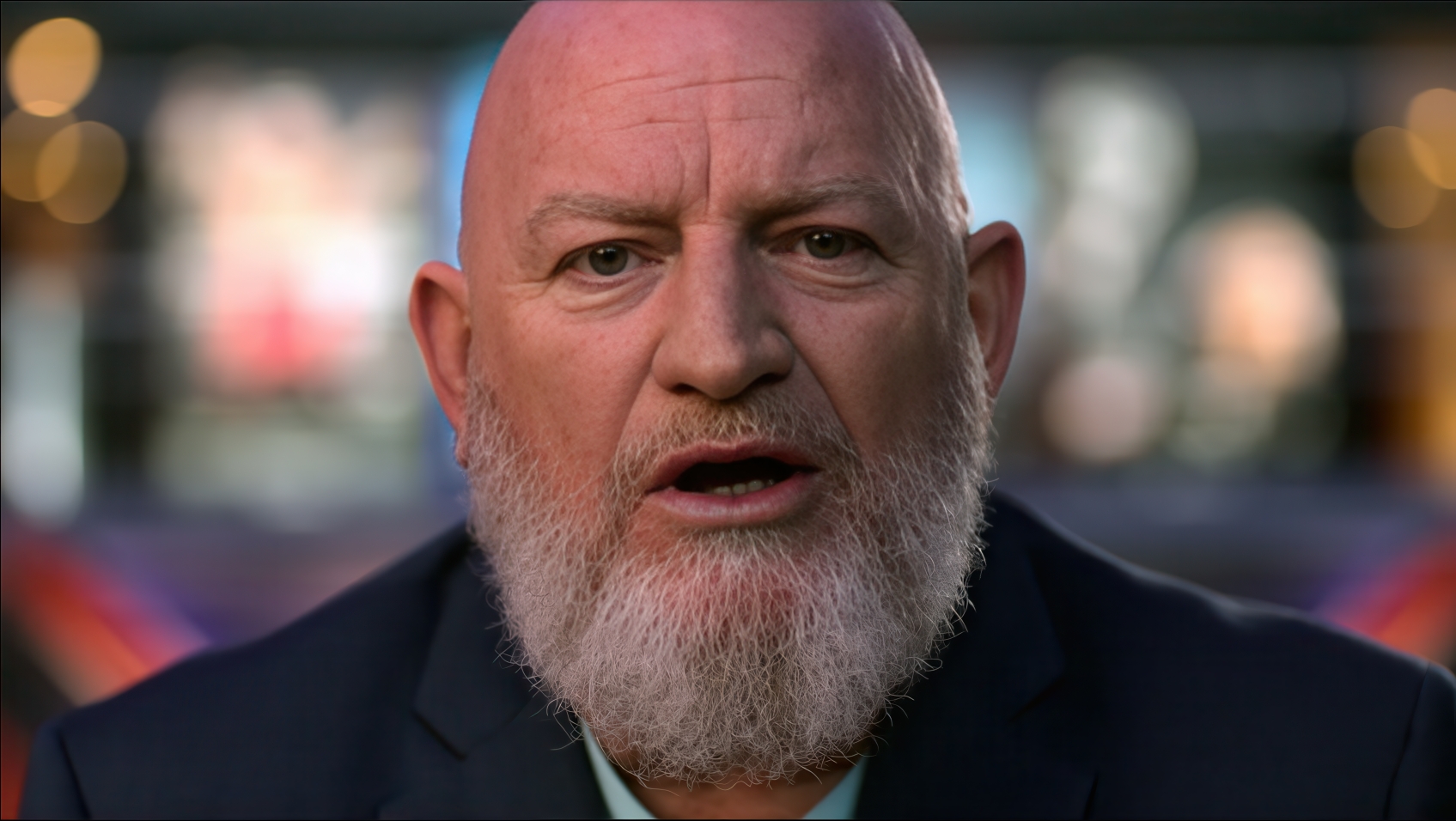
The Allegiant Stadium pressure cooker
As the sun sets over Las Vegas, the physical footprint of Allegiant Stadium looms over WrestleMania 41. We are twenty-four hours from the opening bell. Management talks about expansion and grand spectacles, yet the reality remains grounded in roster management. The absence of performers like Chelsea Green serves as a stark reminder of how unstable the mid-card has become during this fiscal year.
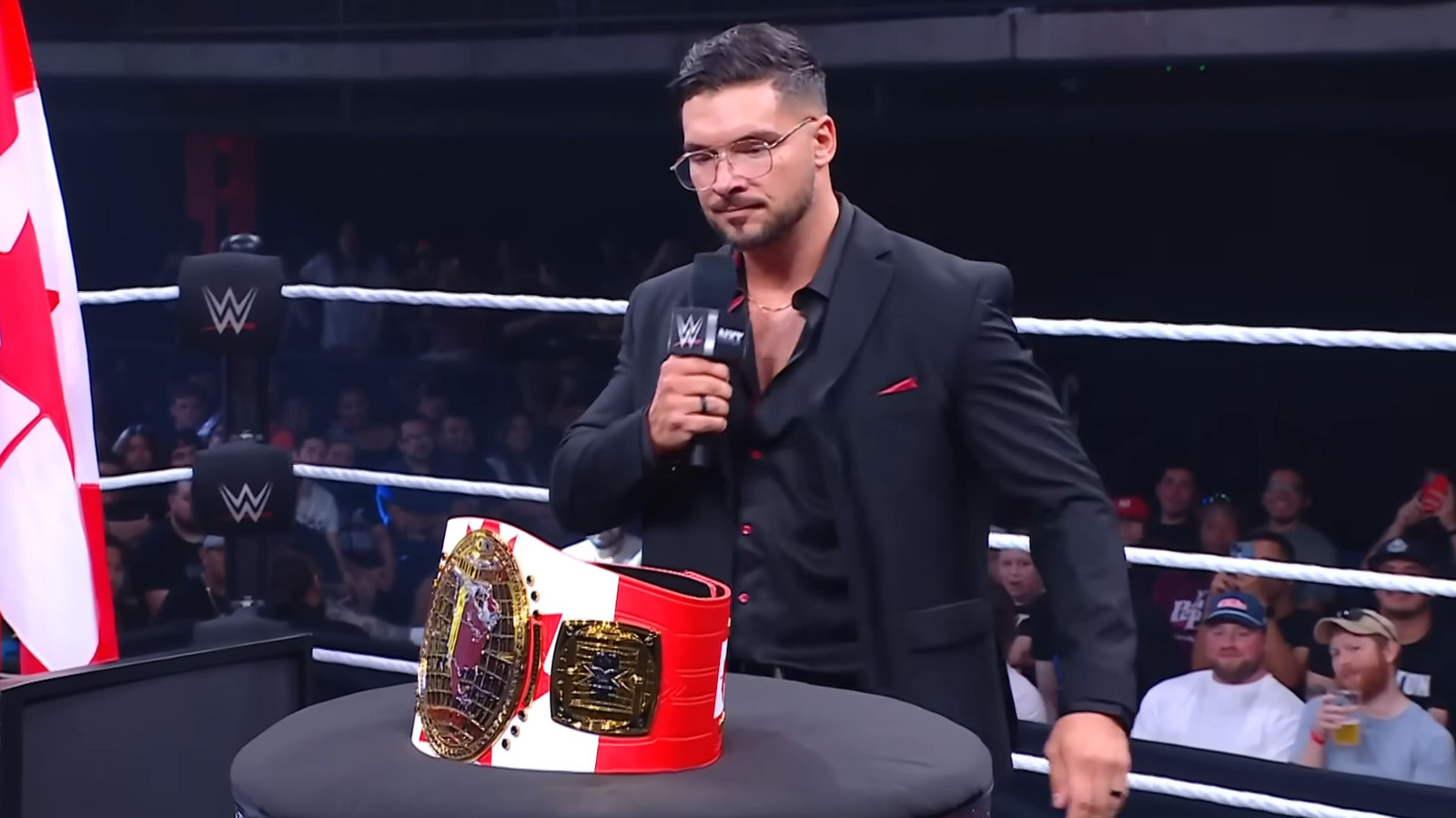
When a booking strategy relies on massive venue scaling, every match must carry a gravitational pull. The production team is betting that the sheer size of the stadium compensates for a lack of narrative depth in the secondary titles. This is a gamble. If those early-card segments lag, the crowd engagement during main events will suffer. The internal mechanics of the roster have to be precise to keep this machine moving through the weekend.
The cost of legacy and momentum
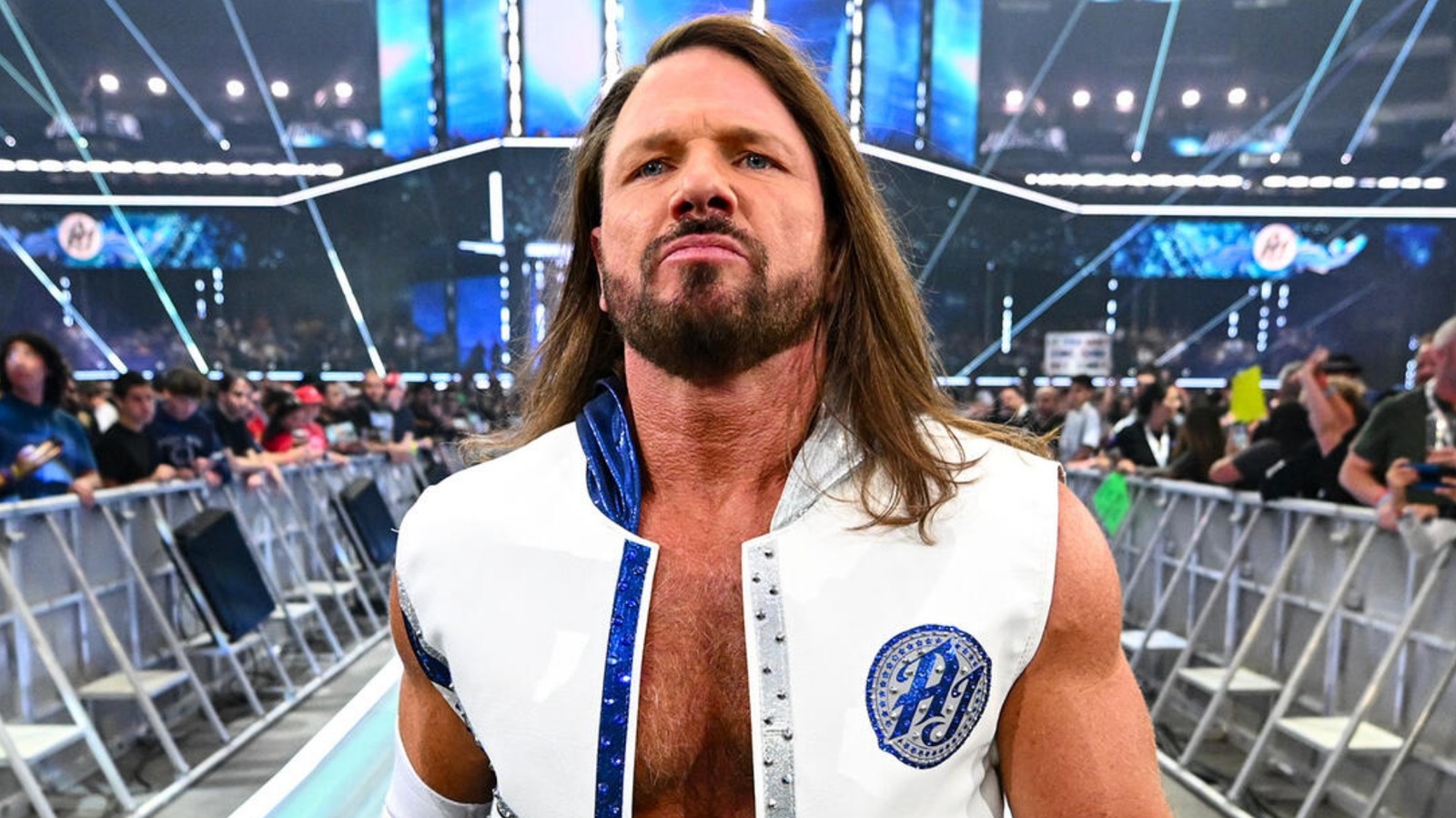
Legacy acts are increasingly defined by how they bow out. Consider GUNTHER’s recent work. He recently noted that retiring AJ Styles held a distinct weight, separating that specific victory from his confrontations with legends like John Cena and Goldberg. It is a calculated narrative shift. By retiring a veteran like Styles, GUNTHER isn’t just winning a match; he is effectively shifting the historical anchor of the mid-card.
However, this reliance on legacy signaling comes with a downside. When the show focuses heavily on the finality of a career, it ignores the lack of new stars being built underneath. We have seen recent reporting on the importance of these veteran exits, yet the void they leave behind is rarely filled by a compelling prospect. It creates a recurring pattern: top-tier talent exits, and the company spends the next two quarters struggling to replace that specific archetype.
The digital veil and fan perception
We see companies trying to bridge this gap through off-screen digital content. Charlotte Flair has publicly credited WWE Unreal for offering fans a different perspective on her career. The intent is clear: humanize the roster to justify creative decisions that might otherwise feel stale. It is a secondary market for fan engagement.
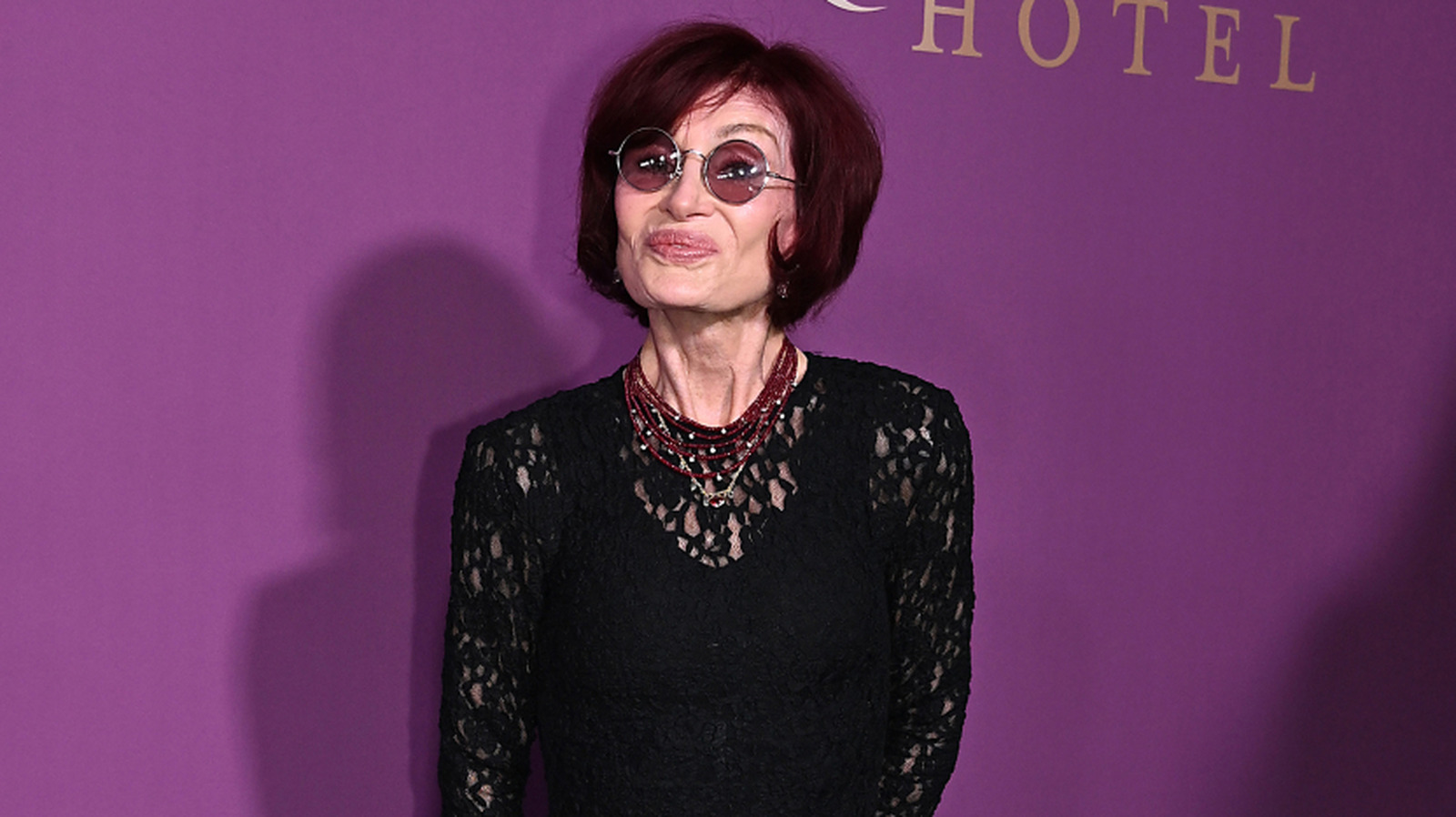
Is this actually working? The data suggests these digital initiatives target a specific niche that already buys into the brand output. It does little to solve the disconnect for the average fan sitting in the 300-level seats of a stadium. When the booking feels unmotivated, no amount of behind-the-scenes content can force a satisfying payoff in the ring. The disconnect creates a sense of purposelessness that Road Dogg highlighted regarding his own departure—receiving a check without having a clear function within the narrative.
The final breakdown for Saturday
Expect the production value to reach an 8/10, but watch the pacing of the undercard closely. If the mid-card matches do not exceed 15 minutes, the audience will grow restless long before the headline acts. The lack of stakes for the secondary belts remains the most obvious booking weakness heading into this weekend.
My prediction: The main event will deliver on spectacle, but the overall card will prove that scale is not a substitute for consistent character development. Expect the show to lean heavily on legacy moments to mask gaps in the roster’s current momentum. The lack of a true, hungry challenger for the secondary championships will ensure that the mid-card remains exactly what it has been all year: a waypoint, not a destination. The final tally for match quality will likely hover around a 6.5 overall average. The business plan is ambitious, but the execution remains uneven.