The shadow of tradition
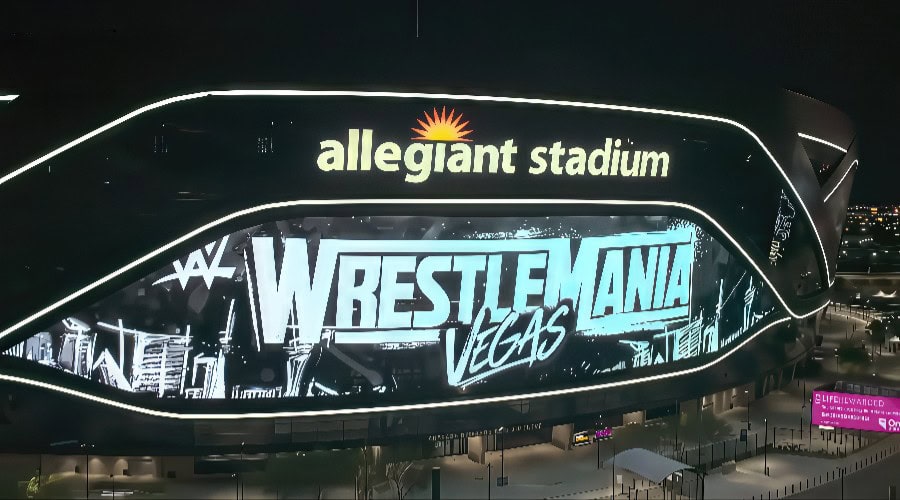
Three days out from WrestleMania 41, the company finds itself at a strange pivot point. We have spent the last month dissecting build-ups, but the actual execution in the ring often tells a different story than the polished promo segments. The roster is deeper than it has been in a decade, yet the booking feels allergic to long-term payoffs.
We are watching a product that values the aesthetic of the main event more than the technical consistency of the undercard. Recent reports regarding Alex Pereira's scheduling disputes underscore the reality that even at the highest levels, top-tier matchups are often abandoned due to behind-the-scenes friction. WWE faces a similar challenge with its marquee card this weekend.
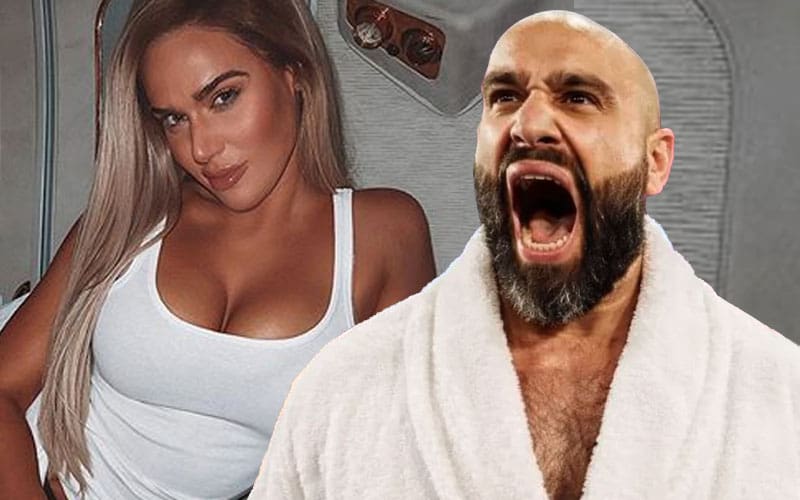
The current creative trajectory favors heavy hitters and celebrity crossovers over the slow-burn narratives of the past. When Rusev recently called out Jake Paul as a potential target, the reaction from the base was telling. While Rusev claims he would destroy Paul in the ring, the mere inclusion of such figures in the conversation pulls focus away from the full-time talent grinding 300 days a year.
The physical reality check hiding behind the spectacle
With WrestleMania 41 looming this weekend, the focus naturally shifts to main event projections and match cards. However, the internal state of the locker room feels fragile. Rhea Ripley remains a focal point, having recently addressed her health status. Her disclosure about battling an eating disorder serves as a sobering reminder that the intensity of this grind is non-negotiable.
We are looking at a roster thinner than it appears. Every time a competitor hits the canvas, these complex narratives risk falling apart. The physical demand of the Performance Center era has created a different breed of athlete, but the injury shelf is already crowded. It impacts the pacing of matches on Night 1 and Night 2 by forcing producers to lean into rest-holds rather than technical transitions.
The fascination with crossover power remains high, as evidenced by Jake Paul’s continued interest in high-profile combat sports opponents. WWE executives monitor this drift with envy. Yet, trying to replicate that MMA-style unpredictability often results in messy, poorly paced brawls that sacrifice ring logic for viral clips.
Predictions and the bottom line
My concern for the upcoming weekend is the reliance on nostalgia and star power at the expense of coherent flow. Too many segments feel like placeholders for a social media highlight rather than a complete wrestling match. When the bell rings, I want to see chain wrestling and a logical sequence of move-sets, not just a barrage of finishers.
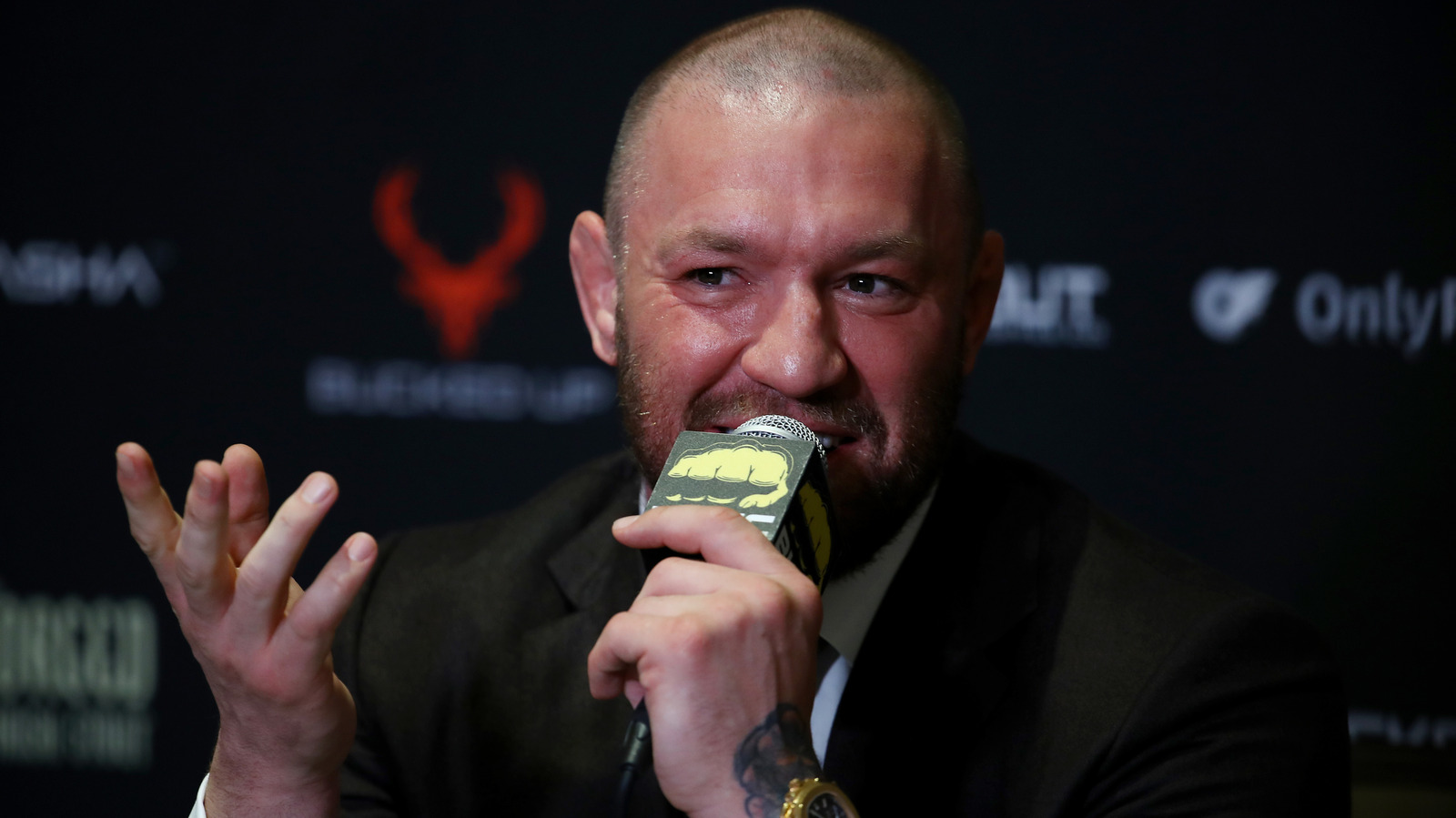
The settlement involving Conor McGregor and his multi-million dollar lawsuit shows that combat sports finances are volatile and rarely linear. WWE booking is following a similar path, spending massive resources to secure high-profile appearances that do little to elevate the mid-card champions. It is a win-now strategy that prioritizes the quarterly report over the 12-month internal consistency.
Expect Night 1 to start slowly, hampered by over-produced segments designed for commercial bumpers. My prediction for the main event? The winner will be decided by a outside interference spot, frustrating the purists, but triggering the predictable crowd pop. The match quality will struggle to eclipse a 3.25-star rating unless the producers allow for a 20-minute pure wrestling window, which remains unlikely.
This gamble is high-stakes because the core fan base is restless. If WrestleMania 41 delivers nothing but spectacle, the transition toward the post-Mania season will be sluggish. We need less pageantry and more grit.
Read Next
- WrestleMania 41 is a high-stakes gamble for WWE's creative vision
- Pat McAfee just turned the WrestleMania build into a tailgate disaster
- Liv Morgan's injury scare highlights the volatility of modern WWE schedules
- CM Punk’s WrestleMania ego check is coming this weekend
- 🏆 WrestleMania 41 — Full Coverage Hub