The 48-hour logistical knife-edge of WrestleMania weekend
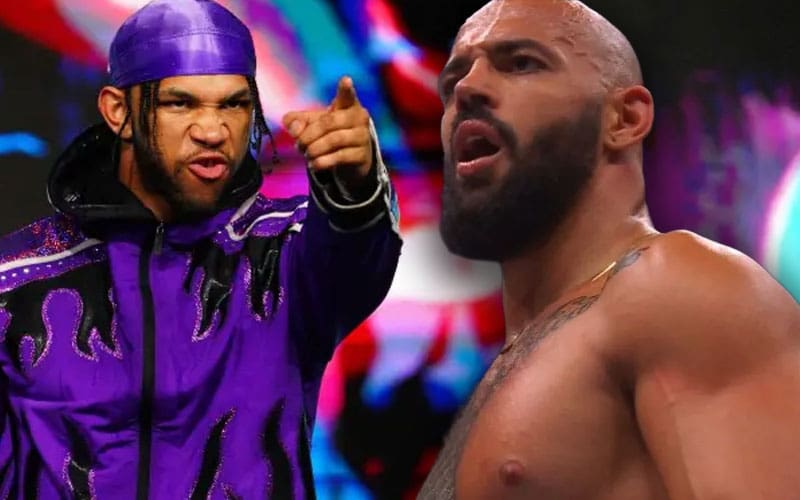
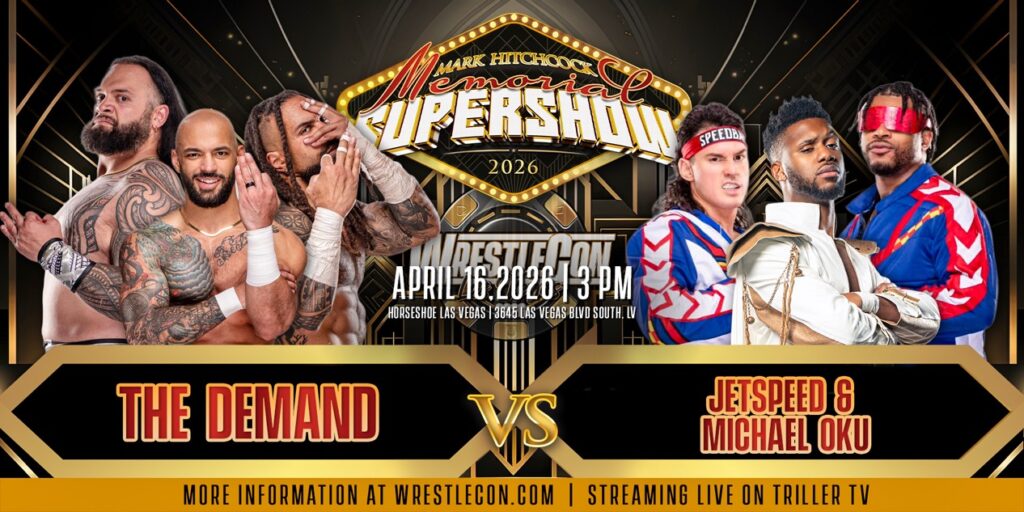
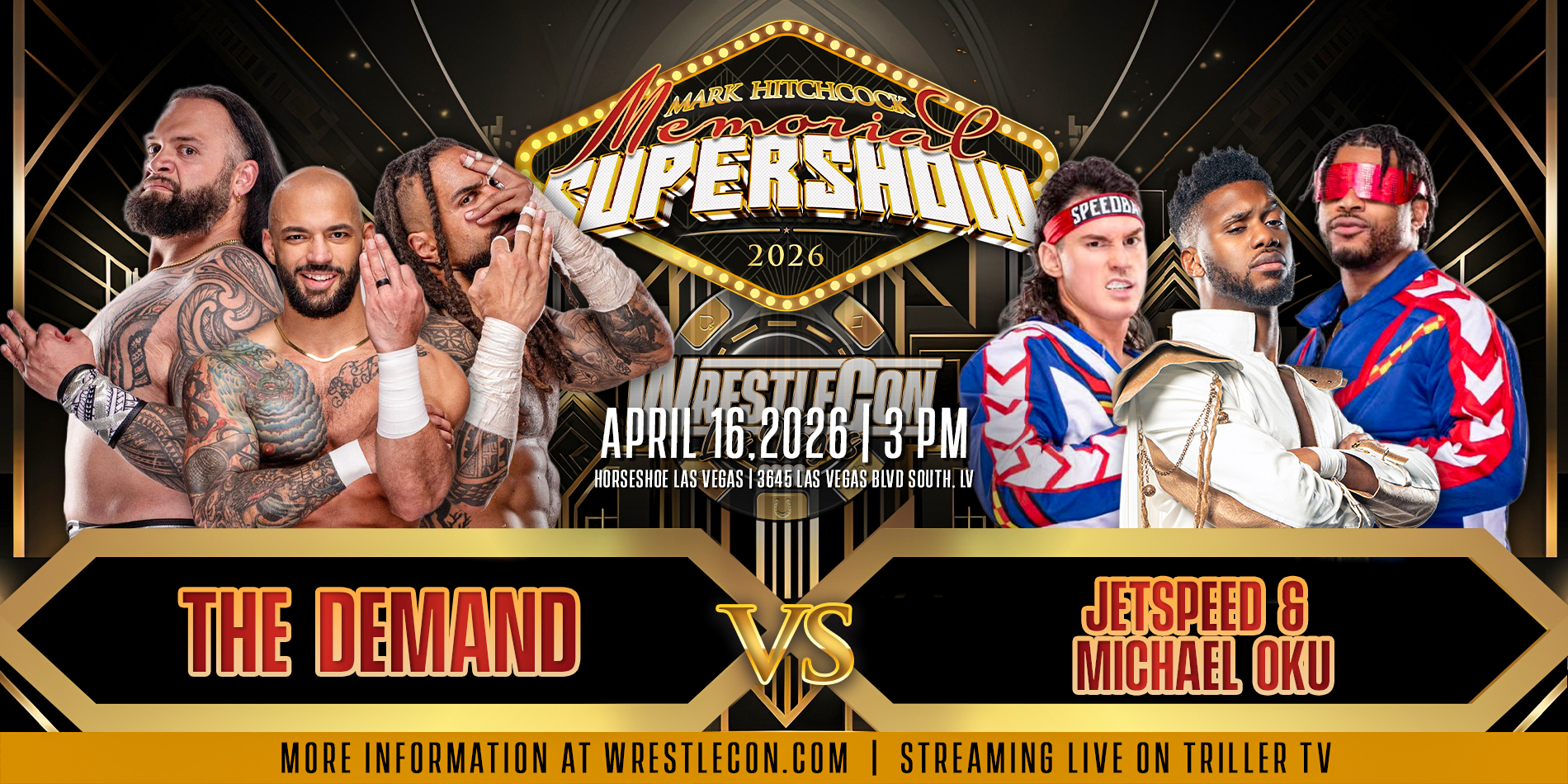
In the high-stakes window precisely 48 hours before the first bell of WrestleMania 41, the success of the independent circuit relies on a fragile network of flight paths and ground transportation. For WrestleCon, that network nearly collapsed on Friday. When you are booking a main event featuring a marquee AEW name like Ricochet, you are betting on a travel schedule that has a zero percent margin for error during the busiest week in the industry history.
Reports from PWInsider and F4WOnline indicate that flight delays almost forced a total cancellation of the evening's final match. This isn't just a minor inconvenience; it is a statistical disaster for a show that relies on gate receipts and streaming buys from fans who have traveled thousands of miles to Las Vegas. The logistical failure rate for 'super-indie' shows usually stays below 5%, but when the headline act is stuck on a tarmac, that number feels irrelevant.
The drama behind the scenes was compounded by the atmosphere in the room. Ringside News noted that the crowd was already on edge following vocal anti-TNA chants earlier in the night. Adding a 'no-show' for the main event would have turned a tense atmosphere into a full-scale riot. Ricochet eventually made it, but the reality is that the show was saved by a window of probably less than 30 minutes.
Dragon Gate USA and the statistical noise of Sin City
While WrestleCon was fighting the airlines, Dragon Gate USA was attempting to re-establish its footprint in Las Vegas with 'The Gate of Sin City' on April 15. The numbers coming out of that show tell a story of a promotion trying to find its rhythm in a crowded market. According to the PWTorch report by Sean Radican, the show featured a high-variance card that struggled with consistency.
The triple threat opener featuring Willie Mack, El Cucuy, and Kai was a definitive low point. Radican was blunt: the work simply did not meet the standard expected for a show of this caliber. When you analyze a three-way match, you look for a high rate of 'active engagement'—the percentage of time all three wrestlers are involved in a sequence rather than one person laying on the floor. This match failed that metric, looking disjointed and sluggish from the opening bell.
The technical floor was raised significantly by Yamato vs. Jonathan Gresham. This is where the 'math' of wrestling actually works. Gresham is a specialist who targets specific limbs with a 90% success rate in transition. Comparing this to the chaotic six-man tag main event shows the divide in modern indie booking. The six-man tag is designed for high-spot volume, often averaging a 'major move' every 45 seconds, whereas Yamato and Gresham prioritized a slower, 15-minute build of systematic destruction.
The London projection and AEW's strategic pivot
Beyond the immediate chaos of Vegas, the industry is already looking at the 134 days remaining until AEW returns to Wembley Stadium. Internal plans for the All In: London main event are starting to circulate, and they suggest a pivot toward a more structured, long-term narrative than we have seen in previous years. After the logistical scares of this week, the value of having a locked-in, reliable main event cannot be overstated.
AEW's reliance on their top-tier talent to anchor indie shows like WrestleCon is a calculated risk. It keeps the 'brand' visible during WrestleMania weekend, but it exposes their primary assets to the volatility of commercial travel. Ricochet is a performer whose value is tied to his physical peak; every hour spent sitting in a terminal is an hour of lost recovery time before a high-impact main event.
The contrast between the professional production of the upcoming WrestleMania and the 'by-the-seat-of-their-pants' nature of the indies is what defines this week. When you look at the Dragon Gate USA results, you see a promotion trying to bridge that gap. Yokosuka vs. Mathers offered a glimpse of veteran experience vs. youth, but the overall presentation still feels like it is fighting for oxygen in a city that is currently consumed by the WWE machine.
The cost of the 'Anti' sentiment
One of the most concerning statistics from the WrestleCon event wasn't a time or a score, but the volume of the 'anti-TNA' sentiment. For a 'forbidden door' era that prides itself on cooperation, seeing a fan base actively reject a partner promotion is a regression. If 40% of your audience is actively hostile toward a segment of the talent, the economic viability of these cross-promotional supercards begins to shrink.
This hostility creates a negative feedback loop. Promoters become hesitant to book diverse cards, leading to more homogenized shows that fail to stand out. WrestleCon narrowly avoided a disaster with Ricochet, but the underlying issues—travel reliance, fan toxicity, and inconsistent match quality—are numbers that will continue to haunt the independent scene long after the ring is packed up in Las Vegas.
The next 72 hours will be the ultimate test of the industry's health. As the focus shifts to the Allegiant Stadium, the indies have served their purpose as the chaotic, often brilliant, and sometimes failing laboratory of the sport. Whether it is a 10-minute technical masterclass or a nearly-cancelled main event, the data shows that wrestling's heart still beats in these high-stress, low-margin environments.