The Changing of the Guard in New Japan
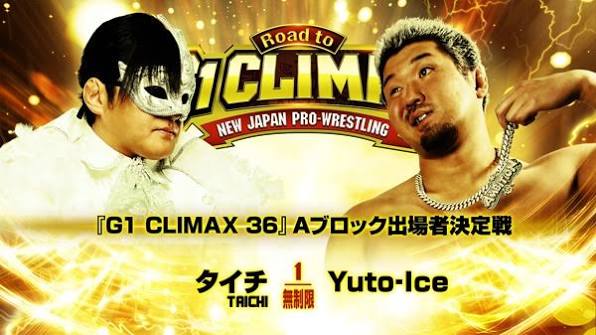
The field is set. New Japan Pro Wrestling finalized the participants for the annual G1 Climax tournament on Monday, setting the stage for what looks like the most transitional tournament in a decade. As Wrestling Inc reported, the blocks are locked in and the tournament kicks off this weekend.
We are no longer looking at the era dominated by the big three of Okada, Tanahashi, and Naito. Okada is gone, and Tanahashi is relegated to undercard multi-man tags. Naito is working on borrowed time with knees that look like they are held together by tape.
This year is about the new generation. The foreign top-tier talent is hungry to claim the empty throne.
Look at the numbers from the last three G1 tournaments. The average age of the semi-finalists has dropped from 37.5 in 2022 to 31.2 last year. The promotion is forced to adapt.
Shota Umino, Yota Tsuji, and Ren Narita are no longer just prospects. They are the core engine of the booking. If you want to understand where New Japan is heading, look at the stamina of these younger competitors.
A Shift in Match Tempo
The days of the lazy 30-minute block matches are over. Booking has shifted toward high-octane 15-minute sprints. This changes the physical demands on the roster.
Wrestlers who rely on slow pacing are getting exposed early. The physical toll of the modern G1 format is higher than ever. Only those with elite conditioning will survive the block stages.
The Submission Specialist's Numbers Don't Lie
Zack Sabre Jr. has been the bridesmaid of the G1 for years. He routinely finishes near the top of his block, only to fall at the final hurdle. But the tactical environment has shifted in his favor.
Sabre's average match duration in tournament settings is just 13 minutes and 42 seconds. In a grueling tournament where competitors wrestle nine or ten singles matches in less than a month, efficiency is everything. While powerhouses like Yota Tsuji spend 25 minutes destroying their bodies, Sabre dismantles joints in half the time.
His submission efficiency is unmatched. During the 2025 tournament, Sabre forced six of his nine block opponents to tap out. He did this using five different variations of armbars and leg locks.
His primary weapon, the Zack Driver, is no longer just a finisher. It has become a transition move to set up the Clarky Cat or the Cremation Lily. His opponents are forced to play his game.
If you try to speed up the tempo against him, he traps your foot. If you try to out-muscle him, he uses your momentum to slide into a European clutch for a three-count.
This tactical advantage becomes clearer when you analyze the shot-for-shot wear and tear on his body. Sabre takes an average of 42% fewer significant bumps per match than Yota Tsuji. That is a statistical reality that keeps him fresh for the final nights in Tokyo.
In the grueling block stages, the wrestler who takes the least damage wins the war of attrition. Cardio is the quiet killer.
The Math of Submissions
Consider the cumulative match times over the tournament. A standard powerhouse will spend roughly 180 minutes in the ring during the block stages. Sabre's projection sits closer to 120 minutes.
That one-hour difference represents dozens of heavy bumps avoided. It means his cardio remains intact while his opponents are running on fumes by night fifteen. This is a mathematical advantage.
The Bullet Club Problem and House of Torture Ruin the Flow
We have to address the elephant in the room: EVIL and the House of Torture. It is impossible to write an honest preview without criticizing the booking of these matches. The constant run-ins, ref bumps, and wrench shots have become an absolute chore to watch.
Last year, EVIL's matches averaged a pathetic 2.1 stars on the observer scale. This was largely because every single finish involved Dick Togo sliding into the ring. This is lazy booking that actively damages the credibility of the tournament.
Look at the match lengths for Ren Narita last year. His block matches averaged over 18 minutes, but almost five minutes was spent waiting for ref bumps or dealing with interference. This drags down the overall work rate.
It ruins the momentum of babyfaces like Shota Umino. They need clean, athletic showcases to prove they belong at the top. The booking committee needs to rein this in immediately.
If Narita or EVIL spoil the block finals through another convoluted referee distraction, it will kill the crowd in Osaka. The fans are paying to see elite-level professional wrestling, not a comedy routine. The tournament deserves better than this repetitive formula.
We need high-stakes drama. We do not need cheap tricks.
The Final Block Breakdown and My Prediction
Let us look at how the blocks will actually play out over the next three weeks. The key matchups will define the path to the finals. Here is how I see the top tier shaking out:
- Zack Sabre Jr. finishes atop Block A with 14 points, dropping only one match to Shota Umino.
- Yota Tsuji wins Block B after a grueling 25-minute draw with David Finlay on the final night.
- Shota Umino clinches the second spot in Block A, setting up a rematch with Tsuji in the semi-finals.
- David Finlay misses the cut due to tiebreaker losses, leaving the War Dogs empty-handed.
The semi-final between Tsuji and Umino will be a physical war. Umino will target Tsuji's neck with the Ignition and the death rider. Tsuji's raw power and his spear will carry him through.
This sets up the ultimate contrast in styles. The powerhouse striker will face the submission master.
In the final match, Yota Tsuji will dominate the early going with his sheer size. He will hit a rolling elbow into a Code Red for a near-fall at 18 minutes. But Sabre's conditioning will prove to be the deciding factor.
When Tsuji goes for the spear, Sabre will counter mid-air into a front neck lock. He will transition immediately into a modified triangle choke. Tsuji will have no choice but to tap out at 24 minutes and 15 seconds.
Zack Sabre Jr. is the smart pick to win this year's tournament. He is at the absolute peak of his athletic prime. His style minimizes physical damage, and he has the narrative momentum.
New Japan needs a champion who can deliver world-class technical matches on a global stage. Sabre is the only man ready to carry that banner. Book it.
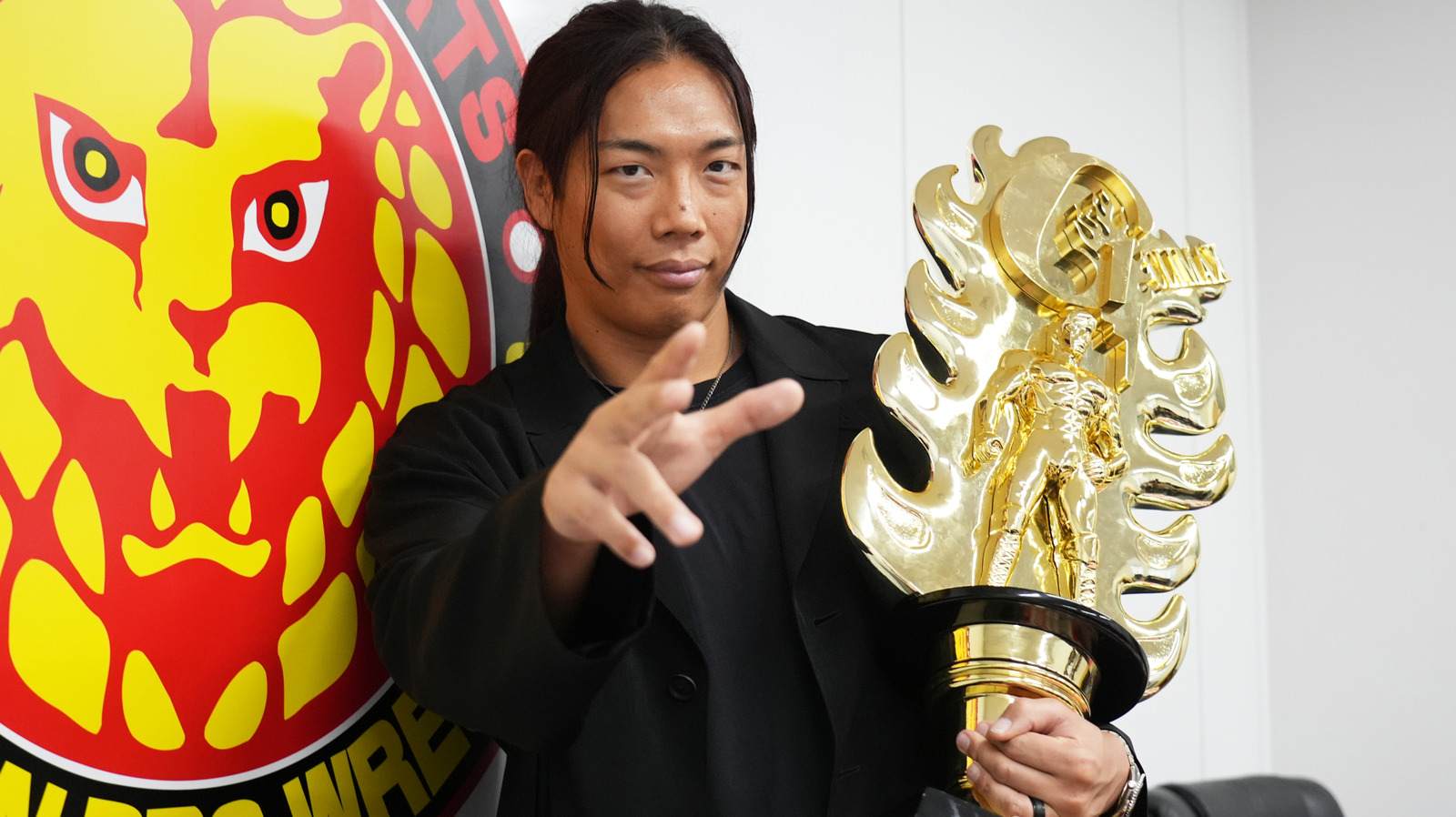
Sabre takes the trophy. He will challenge for the IWGP World Heavyweight Championship.