The Lead: Time Crunch and Rehab Grinds
Brie Bella is back in a WWE ring, but the reality of her return is far more complicated than a simple nostalgia run. Following a brief singles match on the July 3, 2026, episode of SmackDown, the veteran performer voiced frustration over receiving less than four minutes of television time. Her sister and longtime tag partner, Nikki Bella, remains sidelined following major ankle surgery to repair fractures and torn ligaments suffered in late March.
Speaking on the latest episode of The Nikki and Brie Show, as WrestlingNews.co reported, Brie addressed the time constraints of her match against Lainey Reid. The bout lasted a mere 3 minutes and 17 seconds before ending in a chaotic finish. Brie pointed to the program's reversion to a two-hour format as the primary bottleneck for the roster's active wrestlers.
The time crunch comes as Nikki Bella attempts to mount her own recovery after a severe injury on the March 27 broadcast of SmackDown. That ankle injury disrupted plans for the Bella Twins to capture the tag team titles together. Instead, Brie teamed with a returning Paige to win the gold, leaving Nikki to watch the division from the rehabilitation table.
The Biomechanics of Nikki Bella’s Ankle Reconstruction
Nikki Bella's path back to the ring began with a catastrophic ankle injury during a high-stakes tag match. Facing Charlotte Flair and Alexa Bliss, Nikki rolled her ankle awkwardly during a routine exchange. Medical evaluations later confirmed she had fractured, torn, and sprained her ankle, requiring immediate surgical intervention in early April.
Orthopedic surgeons typically address this combination of skeletal and ligamentous damage with internal fixation. The procedure involves securing the fracture with metal plates and screws, while repairing the lateral ligament complex to restore joint stability. For a professional wrestler, this surgery demands a long period of non-weight-bearing recovery followed by intensive physical therapy to restore range of motion.
Nikki has recently posted updates showing her back in the ring for light training sessions. Despite these positive signs, returning from a reconstructed ankle in just over three months carries high re-injury risks. Lateral stability and explosive power are difficult to regain, especially when performing high-impact maneuvers on a nightly basis.
Rehabilitation Challenges for Veteran Performers
Wrestlers in their 40s face a vastly different recovery trajectory than rookies in their early 20s. Cellular regeneration slows down, and old scar tissue from previous career injuries creates joint stiffness. Nikki’s history of neck issues further complicates her physical therapy, as her entire kinetic chain must adjust to the altered gait caused by the ankle hardware.
Physical therapists focus heavily on proprioception, which is the brain's ability to sense the joint's position in space. Without perfect proprioception, landing a simple cross-body or executing a suplex can lead to another rolled ankle. Nikki will need weeks of simulated in-ring movements before she is cleared for full contact.
Brie Bella and the Two-Hour SmackDown Squeeze
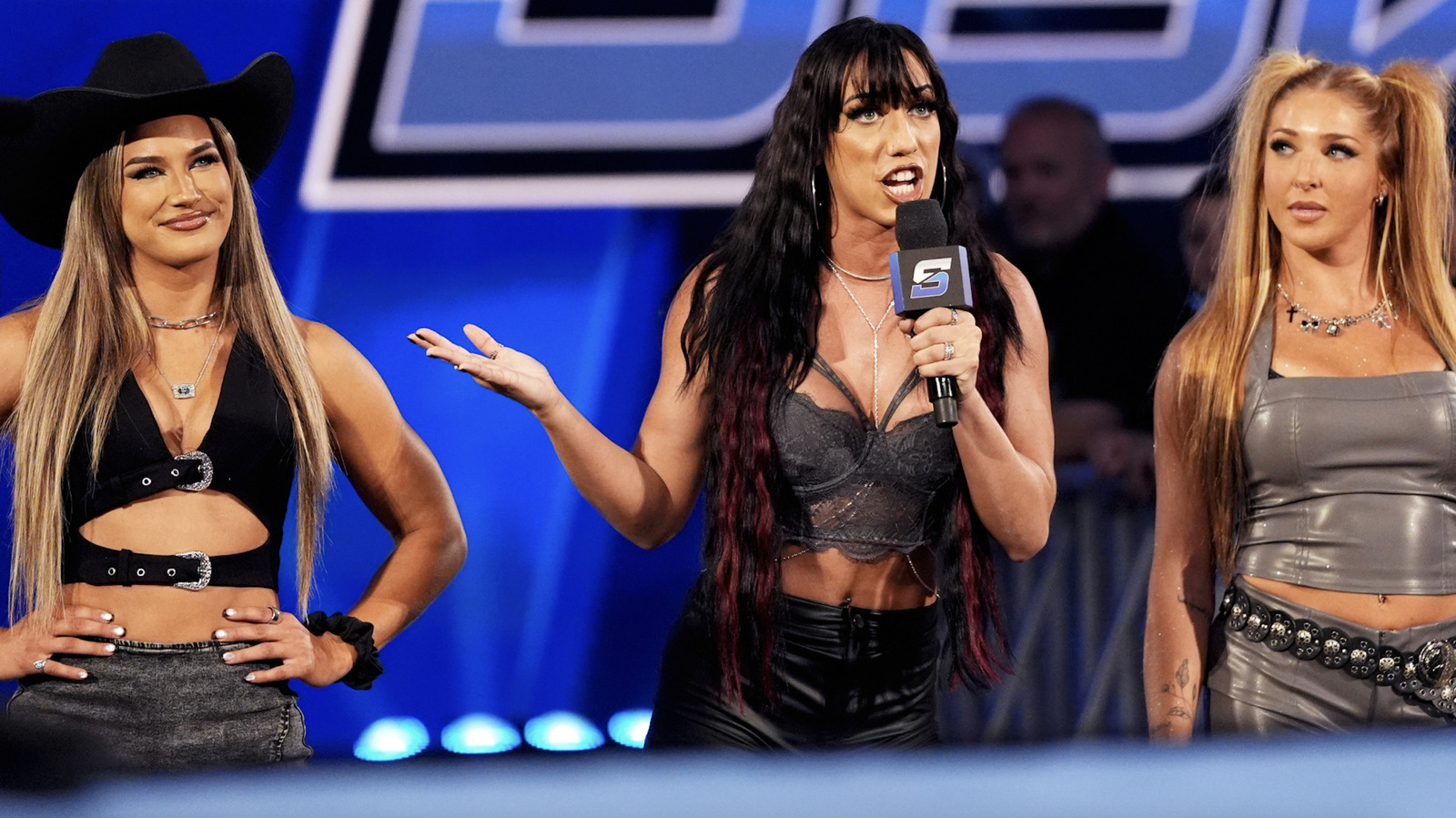
While Nikki trains in private, Brie is experiencing the frustrations of WWE’s congested television formatting. Her singles match on July 3 was meant to build her current feud with the Fatal Influence stable. Instead, the rushed segment did little to elevate either Brie or her opponent, Lainey Reid.
Brie expressed her disappointment openly on her podcast, noting how difficult it is to tell a story in such a brief window. The return of SmackDown to a strict two-hour format has squeezed the mid-card, leaving tag champions fighting for scrap minutes. When matches are booked for under four minutes, wrestlers must cut out psychology and rush straight to the finish.
“When I heard the times, I was bummed, but also I understand,” Brie said on her show. “SmackDown is back to two hours, so all of a sudden you’re back to fighting for TV time.”
This booking decision drew criticism from fans who wanted to see a proper showcase for the veteran. Hurrying a Hall of Famer through a match minimizes the value of the championship she holds. It also puts undue pressure on rising stars like Reid, who need longer matches to develop their in-ring identity.
Historical Precedents: The Veteran Return Trend
Brie's current run is part of a growing trend of veteran women wrestlers returning for championship programs in their 40s. Pro wrestling history is filled with examples of stars returning after long absences, only to find the physical demands of the modern ring have evolved significantly. Trish Stratus and Lita both returned for extended runs in 2023, capturing championships and working programs with younger talent.
While those returns drew high ratings, they also highlighted the limitations that age imposes on in-ring chemistry. Moves that were routine during the Attitude or Divas eras require much more preparation and carry a higher risk of injury today. Lita's brief tag team title run in 2023 showed visible signs of physical regression, emphasizing the difficulty of maintaining top-tier performance after years away from the daily grind.
Furthermore, major ankle reconstructions have ended or severely altered the careers of numerous wrestling stars in the past. Ankle fractures and ligament damage are notorious for permanently reducing a wrestler's lateral movement and leaping ability. Performers who rely on speed and high-flying maneuvers, like the Bella Twins, find it particularly difficult to adapt their styles after joint fusion or hardware insertion.
The Physical Reality of Aging in the Ring
Wrestling at 42 years old requires a complete overhaul of how a performer prepares their body. Brie admitted that her recovery process is no longer what it was during her full-time run a decade ago. The immediate soreness after hitting high-impact moves has forced her to adapt her physical routine.
During the July 3 match, Brie executed a high-risk missile dropkick off the top rope, a move she was proud of hitting at this stage of her life. However, the subsequent morning recovery is a stark reminder of the miles on her odometer. To stay competitive, Brie has shifted her focus from traditional heavy weightlifting to cardiovascular endurance and flexibility work.
“Granted, the next morning I feel a little different than I did 10 years ago, but I’m proud that I can,” Brie said. “I’m in there at my best cardio.”
This physical shift is common among veteran wrestlers who want to prolong their careers. The classic power-lifting routines of the past have been replaced by functional training, yoga, and targeted cardio. This approach protects the joints and spine from the cumulative trauma of landing on wooden boards and canvas.
Strategic Implications for the Women's Division
The status of the Bella Twins directly impacts the booking of the WWE Women’s Tag Team Championship. With Nikki sidelined, Brie’s partnership with Paige is a temporary solution to keep the titles active. However, a division cannot thrive on short filler matches that fail to establish clear storylines.
Competitors like Jacy Jayne and Fallon Henley of Fatal Influence are positioned as the future of the division. Rushing their segments with veterans prevents them from getting over with the audience. If WWE wants to rebuild its tag division, it must commit television time to these feuds rather than using them as transition segments.
The upcoming weeks will show if WWE management adjusts the SmackDown layout to accommodate the women's division. Nikki’s return is the wildcard that could shake up the division's power structure. Until then, Brie will continue to push her body to the limit in whatever short television windows she is granted.