The shadow of lost potential
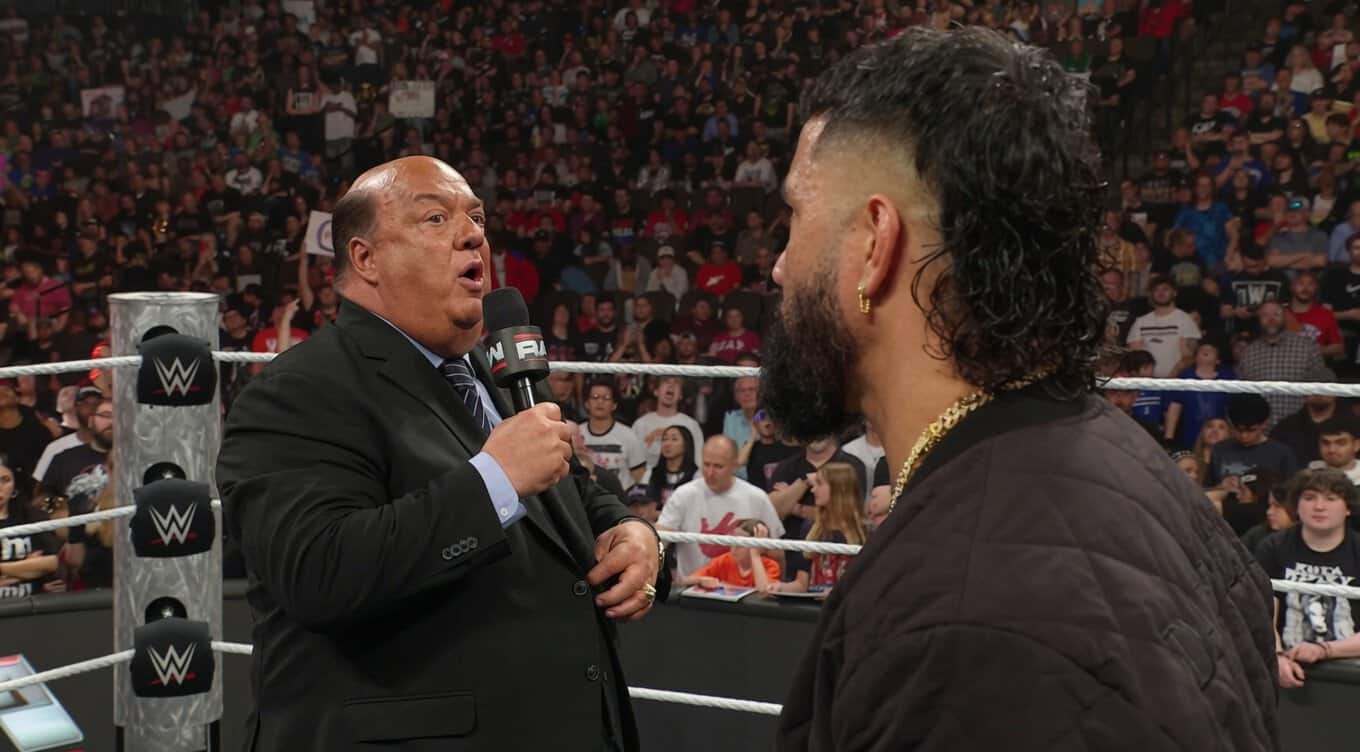
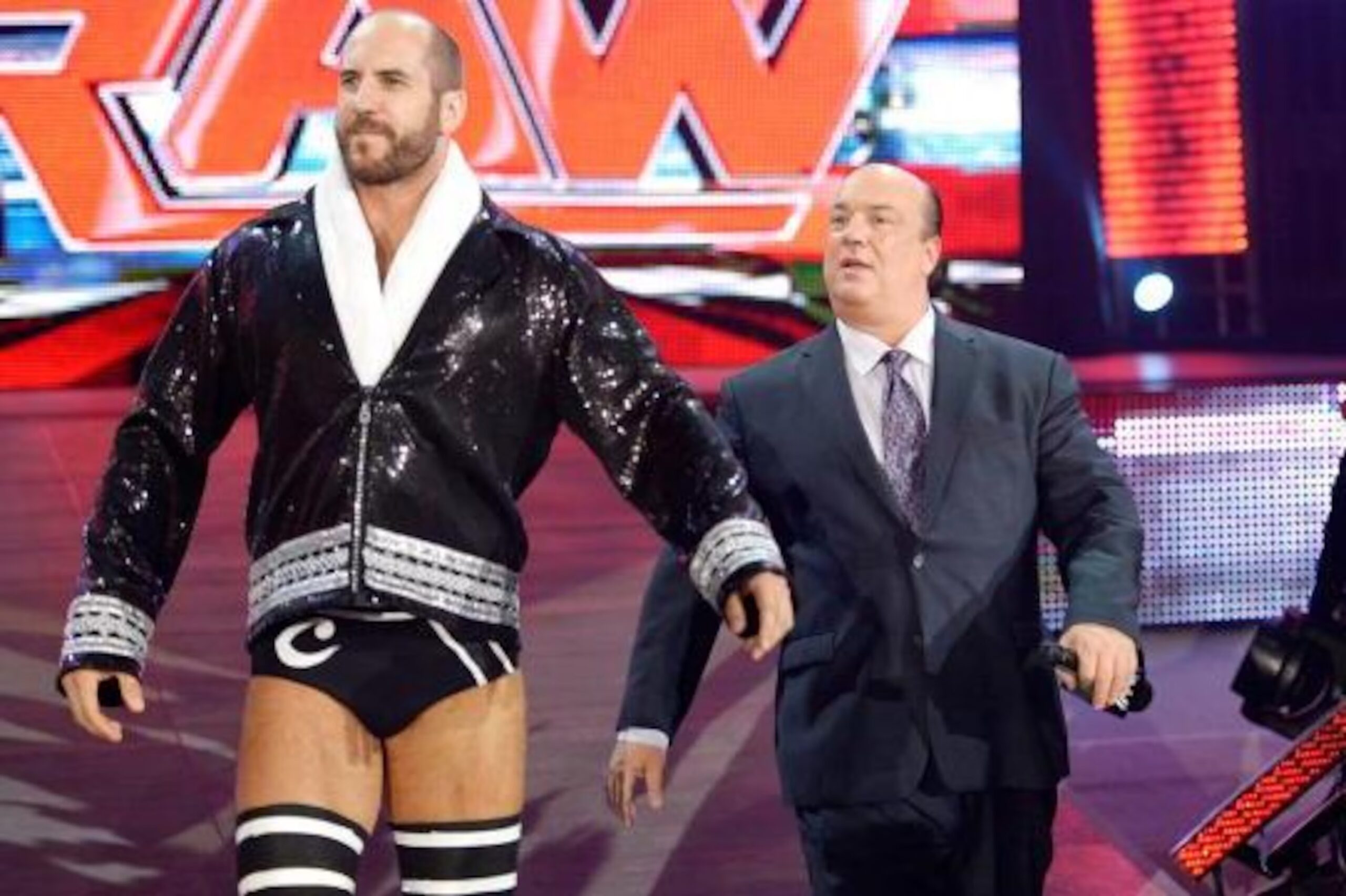
Every promotion has a graveyard of missed opportunities. Few sting as sharply as the tenure of Claudio Castagnoli, known then as Cesaro, during his decade-long run in WWE. The narrative has shifted recently, as Paul Heyman admitted to Chris Van Vliet that the company fundamentally mismanaged the Swiss Superman’s trajectory after his breakthrough victory at WrestleMania 30.
Heyman’s assessment is not merely revisionist history. Following his Andre the Giant Memorial Battle Royal win in 2014, Cesaro possessed the rarest attribute in the industry: an undeniable technical mastery that forced crowd reactions despite frequent erratic booking choices. He could translate a simple gut-wrench suplex into a near-fall that felt like the main event, yet the creative office consistently retreated when he gained momentum.
The mechanics of a booking fumble
Modern wrestling analysis often fixates on high-flying spots, but Cesaro’s value lay in spatial control. He understood how to bridge the gap between technical wrestling and the hyperbolic style required for television. When paired with Heyman after the Andre the Giant win, the logic seemed sound.
The execution, however, cratered. Rather than leveraging the heat from the Lesnar association to elevate Cesaro into world title contention, the creative team tethered him to a secondary rotation. He became a placeholder. By the 15-minute mark of any given match, his intensity would be high; by the 20-minute mark, the booking would inevitably force a stall that sapped the energy from the crowd.
The Heyman verdict
You can't blame it on the lack of fan support. It was a failure of the machine to recognize the product they had in their hands.
The critique here is specific. Management rarely understood that their audience was already sold on Cesaro’s offense—the spinning uppercuts, the Neutralizer, the sheer physical gravity of his work. They treated a main event draw like a utility player. This is a recurring issue for a front office that prioritizes narrative arcs over in-ring output.
Why the lesson matters now
Tracking the current roster reveals similar patterns emerging. Look at the recent trademark filings from WWE; they are once again obsessed with branding and labels rather than athletic substance. If they continue to prioritize rebrands over the organic development of unique in-ring specialists, they are destined to repeat the Cesaro cycle.
The physical toll is real, as seen in the recent updates on Joe Doering entering hospice care. Wrestlers sacrifice a significant portion of their health for a company that can dismiss them as a 'fumble' decades later. It is a cynical reality that demands better stewardship of talent.
My prediction? The current creative regime will continue to trade technical excellence for safe, predictable segments. They have the talent to reach the heights of 2014-era Cesaro, but until they stop treating independent-style mat masters as stopgaps, they will always fall short of the technical ceiling those performers are capable of hitting.