The 172-Minute Wake-Up Call
If you sat through the Wade Keller Pro Wrestling Podcast after Raw, all 172 minutes of it, you heard the hard truth that WWE management is probably desperately trying to ignore. Wade Keller and Greg Hubbard put their finger right on the pulse of what every fan with a working brain has been feeling for the last month. The bottom half of the card is an absolute electric factory, while the main event scene feels like watching paint dry on a hot July afternoon.
Monday night gave us another classic example of this bizarre split personality. The midcard guys are out there tearing up canvas like their rent is due tomorrow. Meanwhile, the main event segment felt like an over-produced corporate board meeting where nobody was allowed to throw a real punch until the final five seconds.
We are three weeks out from SummerSlam, and the discrepancy is getting impossible to mask. When your opening match for the Intercontinental title contender spot has more crowd noise than your heavyweights signing a contract, you have a structural problem. It is time to talk about why the lower-card formula is printing money while the main event formula is putting people to sleep.
The Lower Card is Running on Pure Adrenaline and Logic
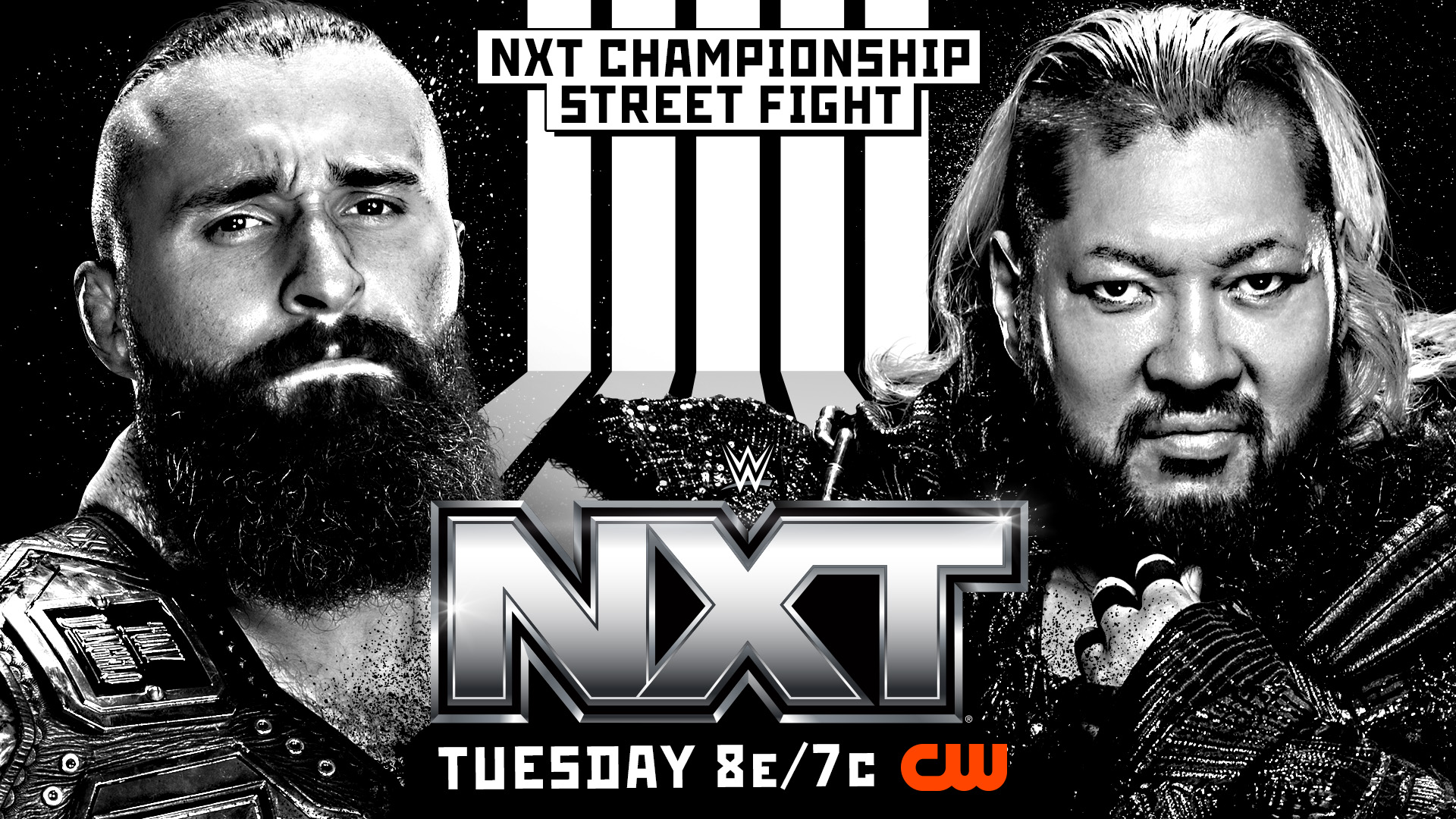
Look at what is actually working on Monday nights right now. Guys like Bron Breakker, Ilja Dragunov, Ludwig Kaiser, and Sami Zayn are given simple instructions: go out there, beat the hell out of each other, and make every single cover feel like a life-or-death decision. There are no long villain monologues about legacy; there is just pure, unadulterated violence served in an eight-minute TV window.
When Bron Breakker turns someone inside out with a Spear through the timekeeper's wall, you do not need five recap packages to explain why the crowd is losing its collective mind. When Ilja Dragunov sells a belly-to-back suplex like he just got hit by an interstate bus, the audience buys into every near-fall. The stakes are clear, the action is crisp, and nobody is standing around waiting for a cue from a referee in the corner.
This lower-card division is echoing the golden era of SummerSlam 2002 when the midcard was so stacked with talent that Eddie Guerrero, Edge, and Rey Mysterio were stealing the show before the headliners even laced up their boots. Back then, the opening matches established the pace for the entire broadcast. Right now, the lower card is carrying that exact same spirit on its back while the main eventers ride in golf carts.
Even the comedic lower-card beats are hitting because they are framed around actual competition instead of endless soapy melodrama. Alpha Academy or R-Truth popping up in backstage segments works because it acts as a palate cleanser between hard-hitting sprints. When the wrestling in the middle of the card hits like a freight train, the comedy feels earned rather than forced.
The secret ingredient here is urgency. A ten-minute television match between two guys trying to claw their way up the ladder naturally creates friction. Every shoulder tackle matters, every roll-up attempt feels desperate, and the finish leaves you wanting to see them run it back next week.
The Main Event Main Squeeze is Out of Juice
Now swap channels to the main event picture and tell me you are not feeling severe fatigue. The main event build for SummerSlam is suffering from terminal Triple H Over-Engineering Syndrome. You know the script by heart at this point: a 20-minute promo segment opening the show, a slow walk to the ring, and a contract signing that inevitably ends with a wooden table being snapped in half.
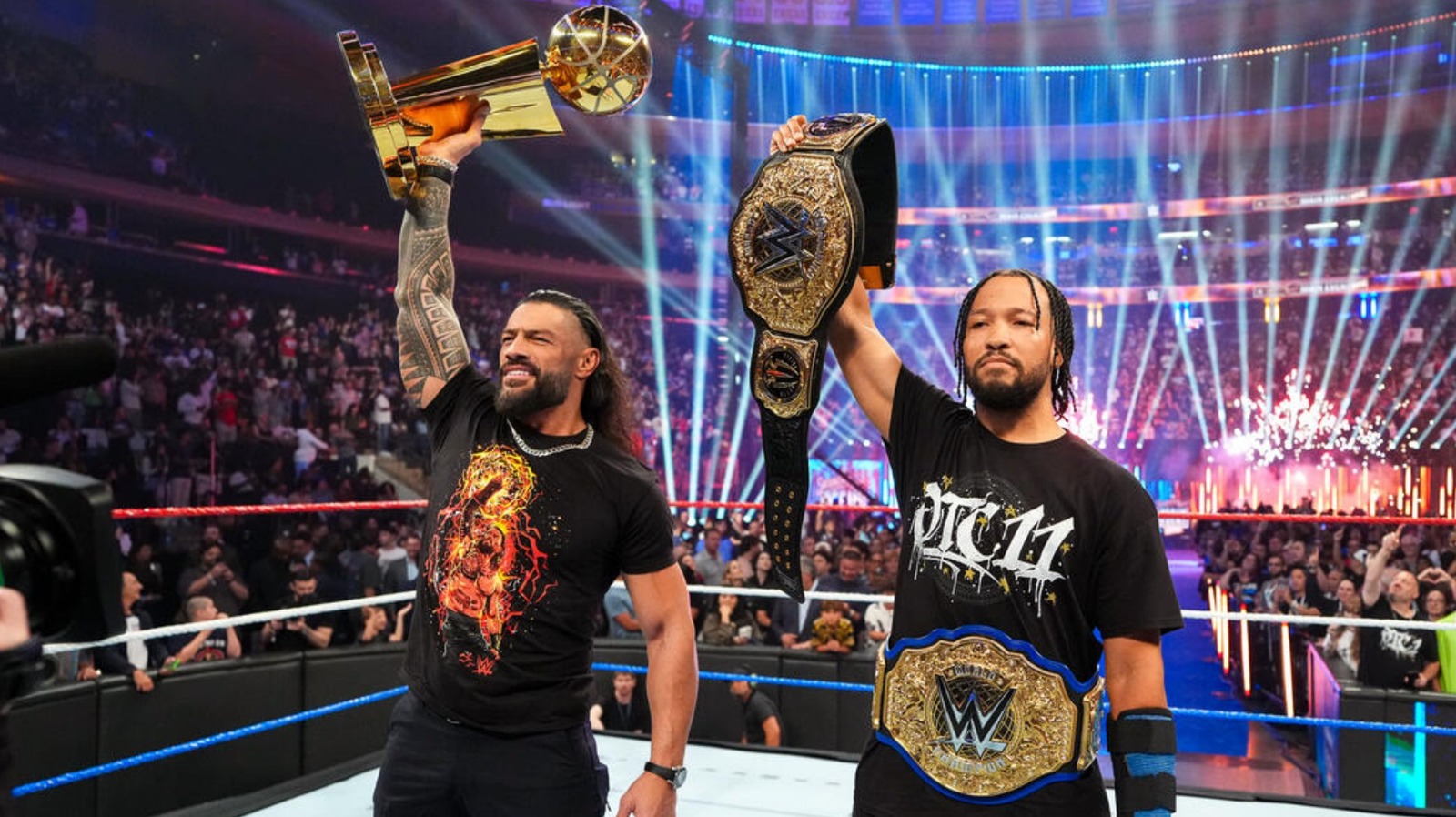
Why are we still doing the contract signing routine in 2026? It has been done ten thousand times, and unless someone gets set on fire or pulled through the canvas by Kane, nobody cares anymore. Watching Cody Rhodes, Seth Rollins, or Roman Reigns exchange mic work that sounds like it was vetted by four different corporate script writers is draining the life out of the building.
The main event scene has become so formulaic that you can set your watch by the tropes. First comes the lengthy stare-down where both guys breathe heavily into their microphones. Then comes the personal insult about someone's family that was clearly written to generate a Twitter graphic before a brief brawl gets broken up by fifteen security guards.
This is the exact same creative trap that bogged down Raw during the infamous Reign of Terror back in 2003. When the top of the card is treated like a delicate museum exhibit that cannot feature actual wrestling until the pay-per-view, the weekly show suffers. Fans are not stupid; they know when a main event angle is just stalling for time until the bell rings in Detroit.
The reliance on referee bumps and outside interference has also turned the main event finishes into a giant joke. Nobody buys a near-fall in a main event match on Raw anymore because we all know a distraction is coming at the count of two. When every big fight feels like a copy-paste job from the month before, the audience tunes out.
On-Site Reports Don't Lie: The Crowd Noise Tells the Story
If you listen to the on-site correspondent reports from the podcast, the arena atmosphere tells you everything TV cameras try to hide. The live crowd in the arena wakes up, screams their lungs out for the midcard sprints, and then quietly files out to the merch stand during the heavy-handed main event talking segments. That is a damning indictment of what WWE is prioritizing on television.
Live wrestling fans do not buy tickets to watch two multi-millionaires talk about their feelings for twenty minutes while standing in crisp suits. They buy tickets to see brutal German suplexes, high-flying top-rope maneuvers, and genuine physical animosity. The midcard is delivering actual pro wrestling, while the main event is delivering a soap opera that forgot it was supposed to be a fight.
Remember when Stone Cold Steve Austin and Mick Foley were in the main event picture in 1999? They did not sit around talking about character arcs and long-term subtext. Austin walked down the ramp, stunnered three guys, drank a beer, and left on a four-wheeler in a flurry of chaos that made anything feel possible.
Today's main event scene lacks that sense of unscripted danger. Everything feels rehearsed down to the exact frame, right up to the final three-count setup. When the crowd knows the exact sequence of events twenty minutes before they happen, you lose the magic that makes pro wrestling great.
How WWE Can Fix the Balance Before SummerSlam
Fixing this issue before the pyro goes off in Detroit is not brain surgery. Triple H and the creative team need to throw out the main event blueprint and start taking notes from their own undercard. Stop treating the main event guys like fragile glass sculptures and let them beat each other up on weekly television.
Give us a chaotic brawl that spills into the concourse instead of another structured ring segment. Let someone get thrown off the stage or hit with a chair in the opening ten minutes of the show. Break the formula before the formula completely kills the momentum heading into one of the biggest shows of the year.
The lower card has proven that fans respond to intensity, athleticism, and simple storytelling. If WWE can inject that exact same energy into the SummerSlam main event build over the next two weeks, the premium live event will be legendary. If they stick to the same tired talking routine, the midcard is going to steal the show and leave the headliners looking like overpaid opening acts.