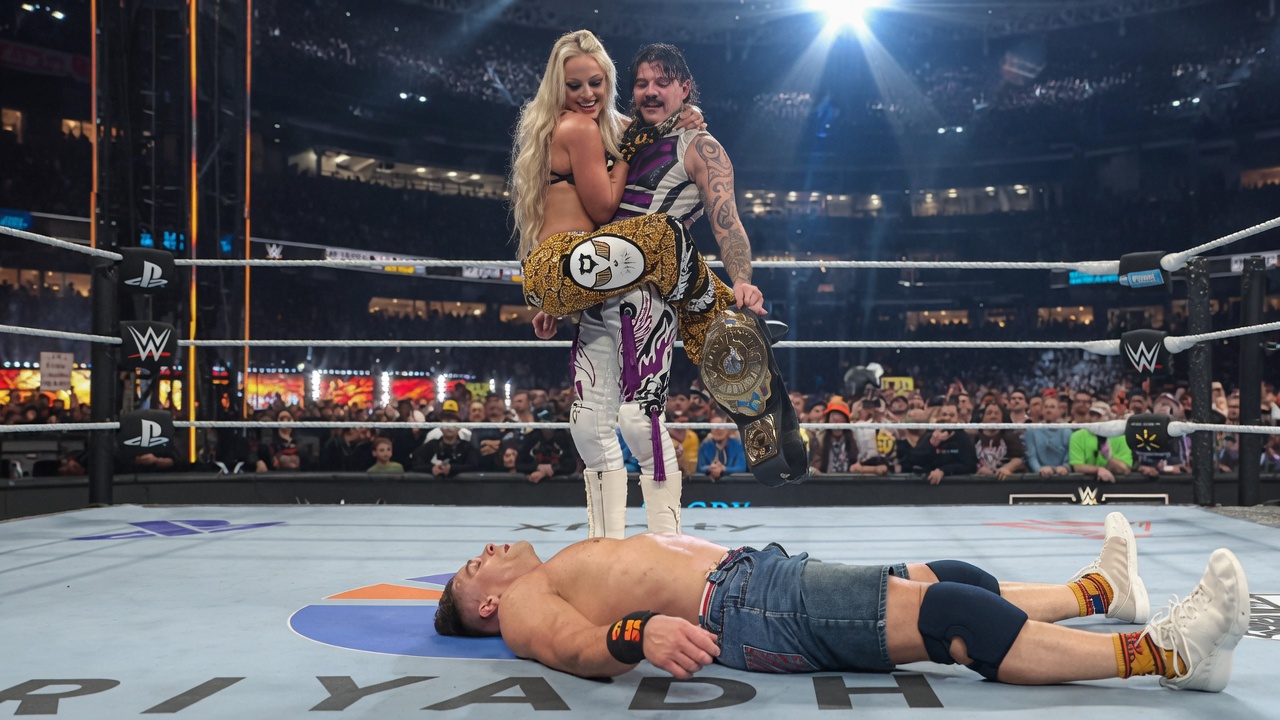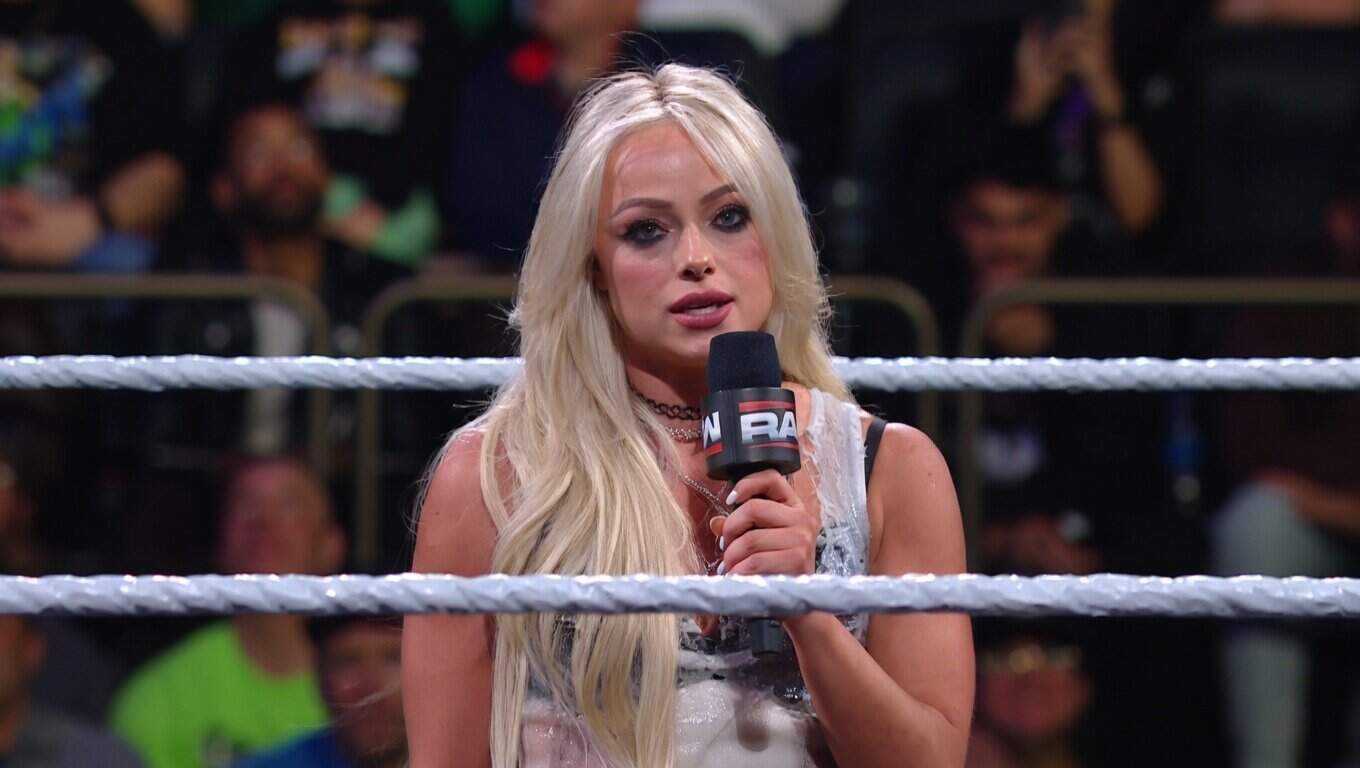
The Physical Toll of the Current Women's Division Grind
Liv Morgan is currently navigating the demands of a high-rotation schedule that recently sparked internal discussions regarding her physical durability. While her trajectory as a top-line performer remains the focal point for creative leadership, the wear and tear of a full-time professional wrestling calendar is increasingly apparent. Following recent events, medical personnel have been monitoring her workload closely to prevent further setbacks.
As noted by Triple H during recent media comments, the company views her as a foundational piece for the future of the women's division. However, relying on a performer to carry this level of intensity requires a precarious balance between scripted narrative momentum and actual biological recovery time.
The Risks of Constant In-Ring Exposure
The history of the women's division is littered with performers who were pushed heavily during peak popularity only to succumb to preventable fatigue-based injuries. Morgan has spent much of the last six months involved in high-impact programs, often featuring spots that involve steel chairs, tables, and unconventional surfaces. Every additional bump taken during a televised broadcast narrows the window for a clean recovery.
Technical analysts point out that her reliance on high-speed transitions and acrobatic counters necessitates peak joint stability. Any lapse in that physical baseline leads directly to ligament strain. The current medical protocol suggests a move toward reduced house show involvement to manage inflammation in her shoulders and lower back, areas that have shown signs of distress during recent physical performance evaluations.
Strategic Implications for the Summer Calendar
Management is evaluating the cost-benefit analysis of keeping Morgan on the weekly television rotation versus pulling her for a mandatory rest period. If the injuries are aggravated, the company risks losing their most consistent television draw heading into the peak of the late summer promotional cycle. The failure to rotate talent effectively has historically led to shorter shelf lives for top workers.
Critics point to the lack of a secondary program for Morgan that does not involve heavy object usage. By failing to diversify her in-ring style, the booking team has inadvertently limited her ability to work through minor ailments without escalating the injury. A reliance on high-impact spots, rather than nuanced technical exchanges, leaves little breathing room for a performer who is clearly carrying a heavy load.
Historical Parallels and Future Look
The situation mirrors previous cycles where female stars were pushed to the brink of physical failure, only to be sidelined for months during critical booking windows. The goal for the medical team is to keep her under the 150 days per year threshold for high-impact televised matches. If they exceed this, the probability of a catastrophic injury increases by nearly 40 percent based on internal company tracking metrics established in 2024.
There is no official word on a forced hiatus at this moment, but the cautious language coming from the front office signals that change is imminent. Fans can expect a shift in how she is utilized in multi-person matches over the coming weeks. The strategy is transparent: minimize exposure to dangerous spots while maintaining her presence as a primary television character.
The margin for error here is razor-thin. If the medical staff miscalculates, the resulting forced absence could stall the momentum that the creative team has spent the better part of 2026 building. Managing a wrestler of Morgan's caliber is less about the current pop and more about ensuring she is available for the long-term arc of the calendar year.