
Hacksaw Jim Duggan and the commercialization of wrestling nostalgia
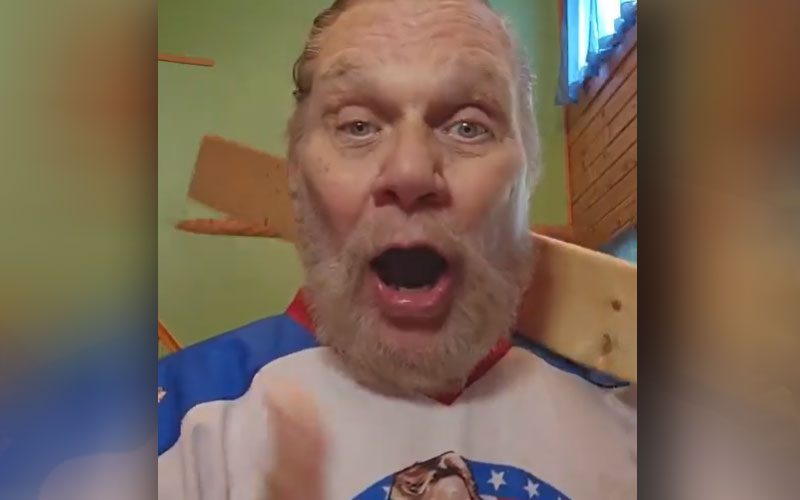
The digital transition for classic icons
Hacksaw Jim Duggan recently took to social media to promote his availability through the platform Cameo ahead of Father’s Day. In an era where wrestling history is increasingly monetized via personalized digital interactions, the Hall of Famer remains a prominent fixture. It represents a pivot from the days of autograph signings in mid-sized arena concourses to short-form video messages.
This is not merely a revenue stream for a legacy talent. It highlights the shifting relationship between legendary performers and a fanbase that prioritizes direct access. Duggan’s continued resonance stems from a specific brand of 1980s wrestling energy—the 2x4, the U-S-A chants, and a presentation that relied on pure, unadulterated machismo.
The statistical reality of the nostalgia market
When analyzing the value of these interactions, we must look at the frequency of engagement. Despite the physical toll of a career that spanned the mid-1980s through the late 2000s, legends like Duggan have maintained a consistent presence in the public consciousness. Digital platforms allow them to bridge the gap between their athletic prime and current relevance without the need for intensive in-ring activity.
Yet, there is a clear ceiling to this model. A fifteen-second video capture of a catchphrase does not replicate the atmosphere of a live event. Fans are essentially purchasing a fleeting moment of character-driven validation. While platforms facilitate this access, they risk reducing iconic personalities to caricature versions of their former selves.
The flaws in the veteran outreach strategy
There exists a problematic element to this trend that cannot be ignored. By relying heavily on legends to carry the burden of engagement during off-seasons or slack periods, promoters risk alienating younger viewers. Relying on names from a different era suggests a lack of confidence in the current roster's ability to maintain a connection during lulls in the scheduling.
Duggan’s career, which saw him transition through various iterations of the mid-card, remains an outlier in terms of sustained popularity. He successfully carved a niche that did not rely on world championships but rather on a singular level of high-intensity persona work. However, the reliance of modern media on these older guard figures can feel stagnant.
Defining legacy in an era of accessibility
As Ringside News noted, the shift toward these platforms is accelerating. The question is how long this can remain a viable strategy for engagement. If the value of a legend is measured strictly by their ability to generate digital micro-transactions, the weight of their actual contributions to the sport is diminished.
We are seeing the commodification of personality reach its logical conclusion. When a performer can essentially sell his catchphrase for a flat fee under the guise of festive sentiment, the lines between fan appreciation and product placement blur. It is a smart move for individual talent seeking to maximize their footprint in the 2026 economic climate, but it is not inherently a victory for wrestling as a medium.
Ultimately, these interactions serve a very specific segment of the population. They provide comfort to the aging fan who prefers the simplicity of the 1987 roster to the high-tempo, work-rate driven style of the present day. Whether this adds long-term value to the industry is debatable, but for now, the cycle continues unabated.
Read Next
Everlast 70lb Heavy Bag (Starter Pro Pack)
Train like a superstar and get your cardio in with some stress relief.
Frequently Asked Questions
How do wrestling legends like Jim Duggan monetize their past fame?
Why is the digital transformation of wrestling engagement controversial?
What is the primary appeal of Hacksaw Jim Duggan in the digital era?
What are the risks of promotions relying on wrestling veterans for content?
How does digital engagement differ from traditional wrestling interactions?
More Coverage
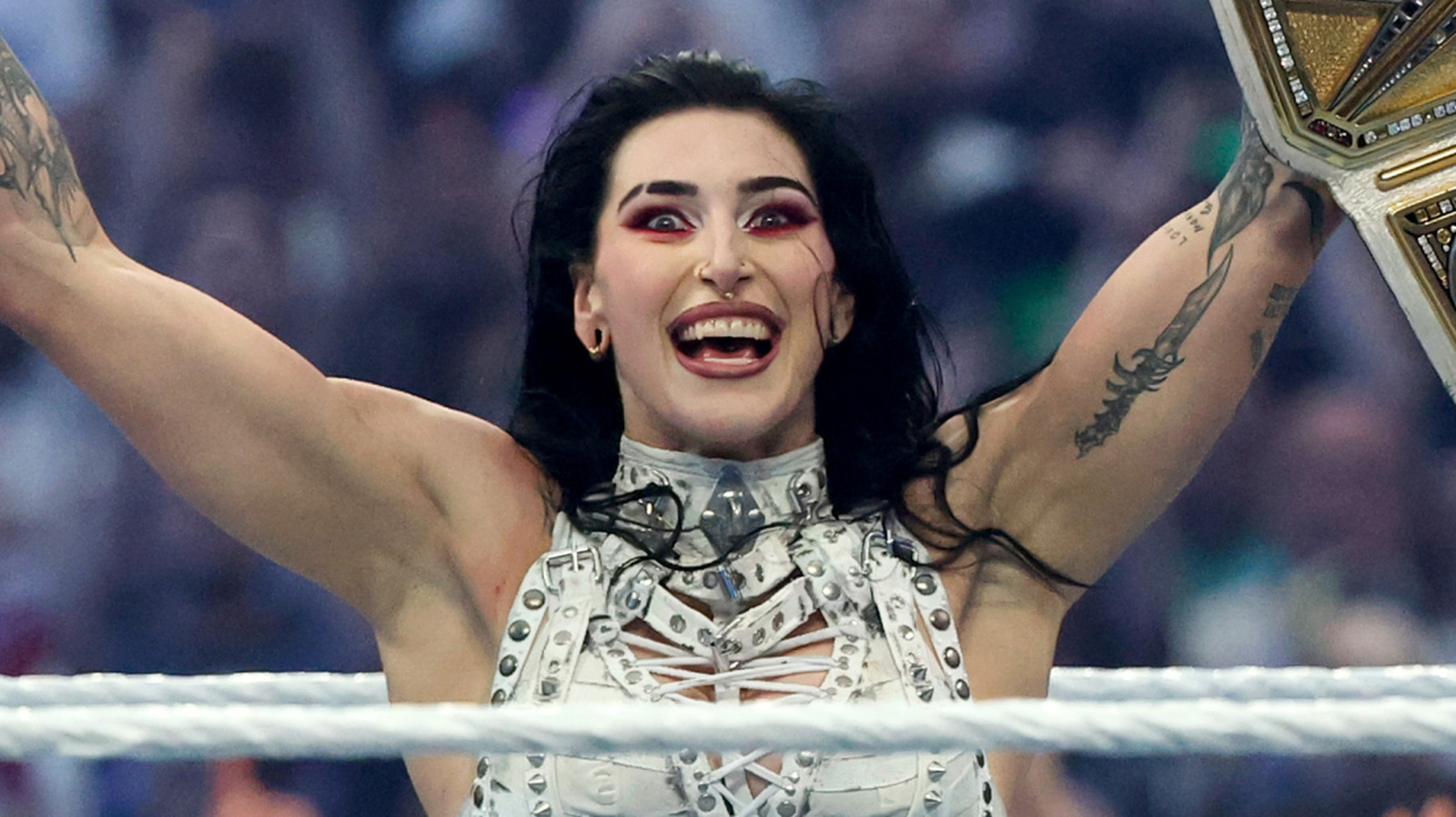
WWE's Night of Champions pivot smells like a creative disaster
3 hours ago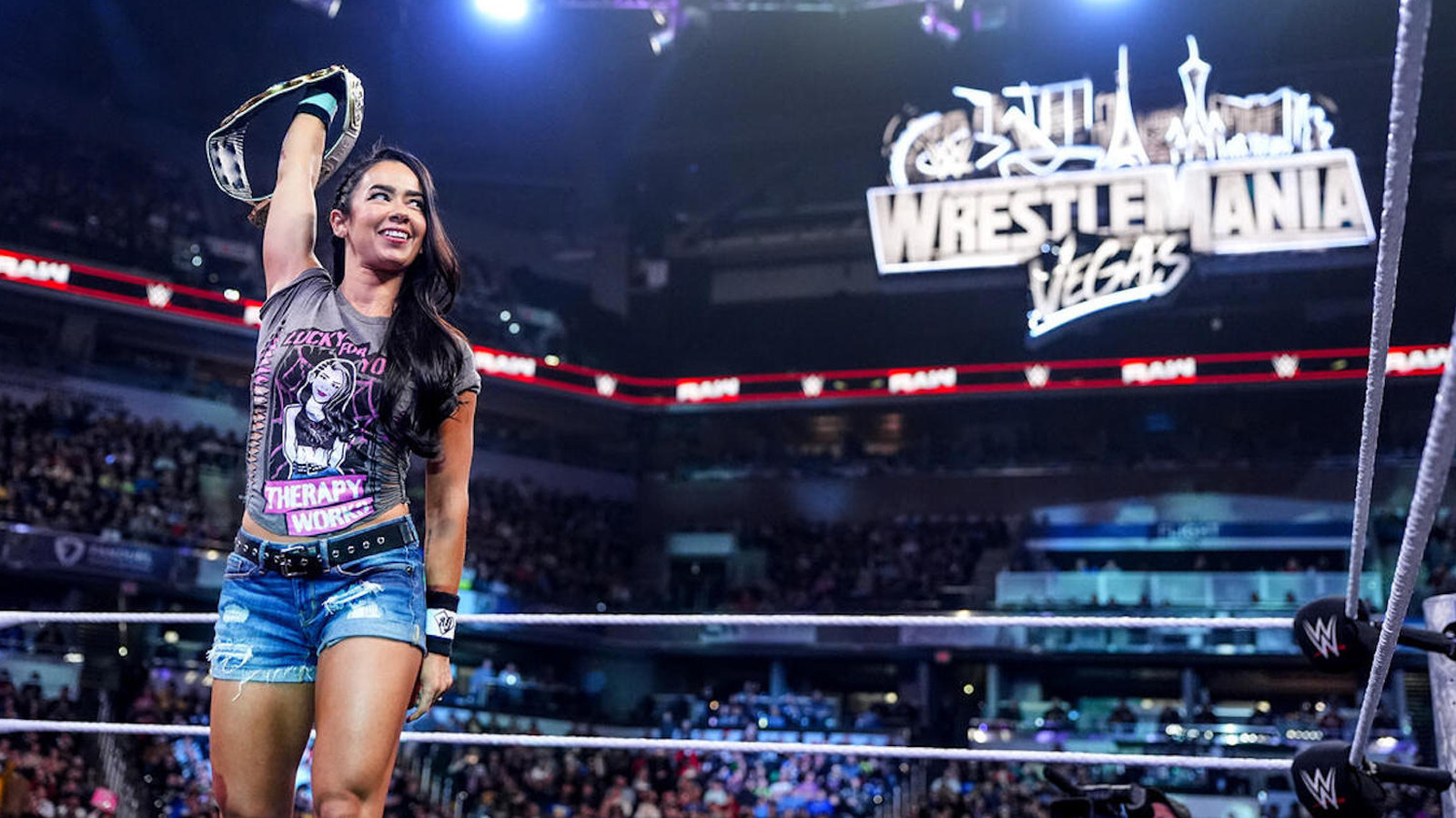
AJ Lee returning to WWE was never going to be easy
3 hours ago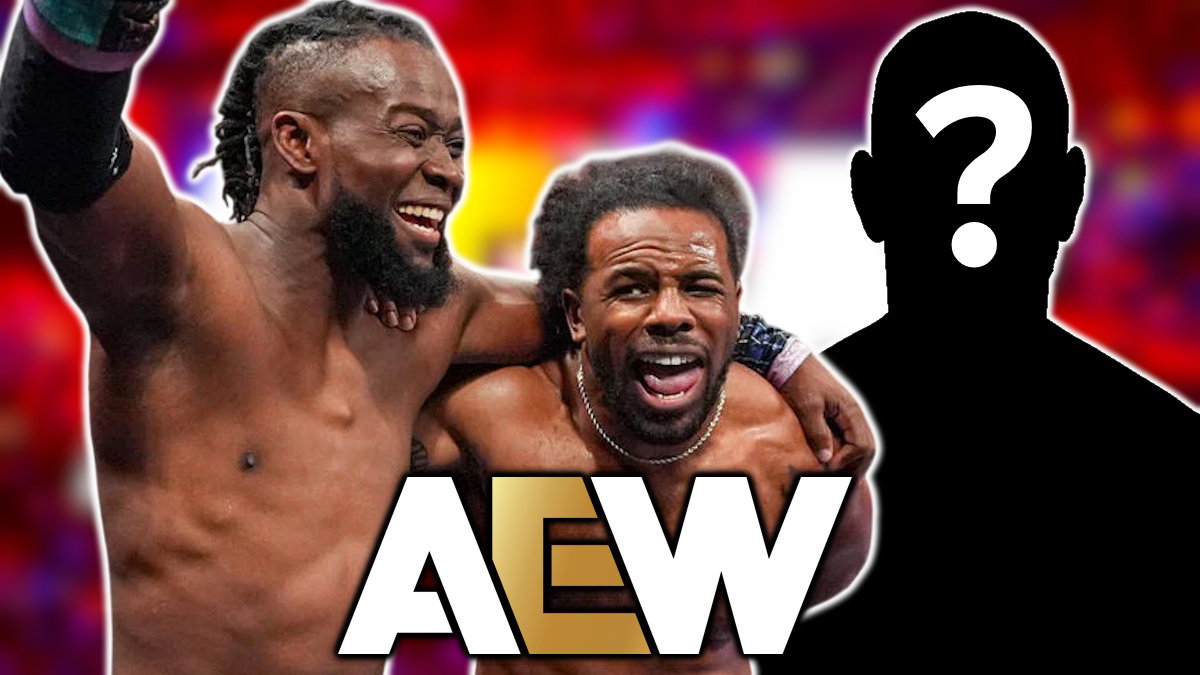
The New Day's potential AEW arrival puts the tag division on notice
3 hours ago
Why Shawn Dean is staying put despite the industry's revolving door
3 hours ago
WWE's international strategy is creating a logjam for midweek television
3 hours ago
NXT is leaning into a ratings gamble with special appearances
3 hours agoMore Analysis
AEW's downward trend is becoming a structural problem
3 hours ago
TNA is bleeding talent at the worst possible time
3 hours agoTessa Blanchard exits TNA and the internet is currently setting itself on fire
3 hours ago
WWE's Night of Champions pivot smells like a creative disaster
3 hours ago
AJ Lee returning to WWE was never going to be easy
3 hours ago