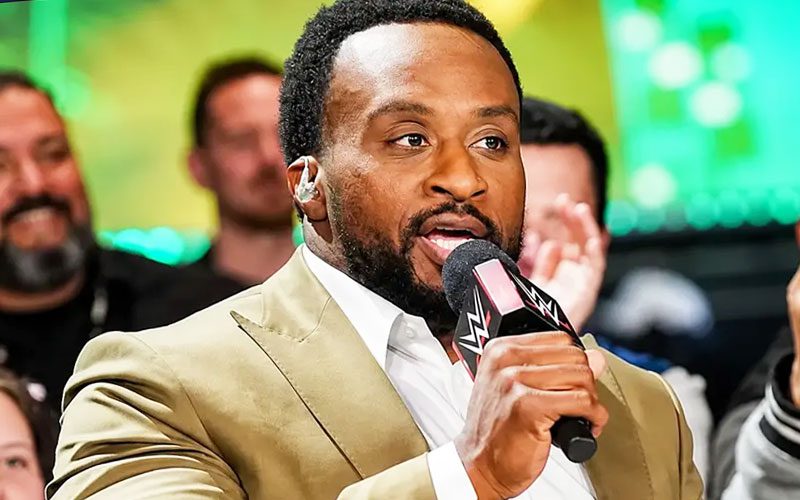
Why TNA's new booking committee is a recipe for creative confusion
A Backstage Realignment Without a Clear Leader
TNA Wrestling is undergoing its most radical backstage realignment in nearly a decade. The departure of Tommy Dreamer leaving his position as the Head of Creative marks the end of a stable, albeit formulaic, era. Dreamer spent seven years anchoring the creative office.
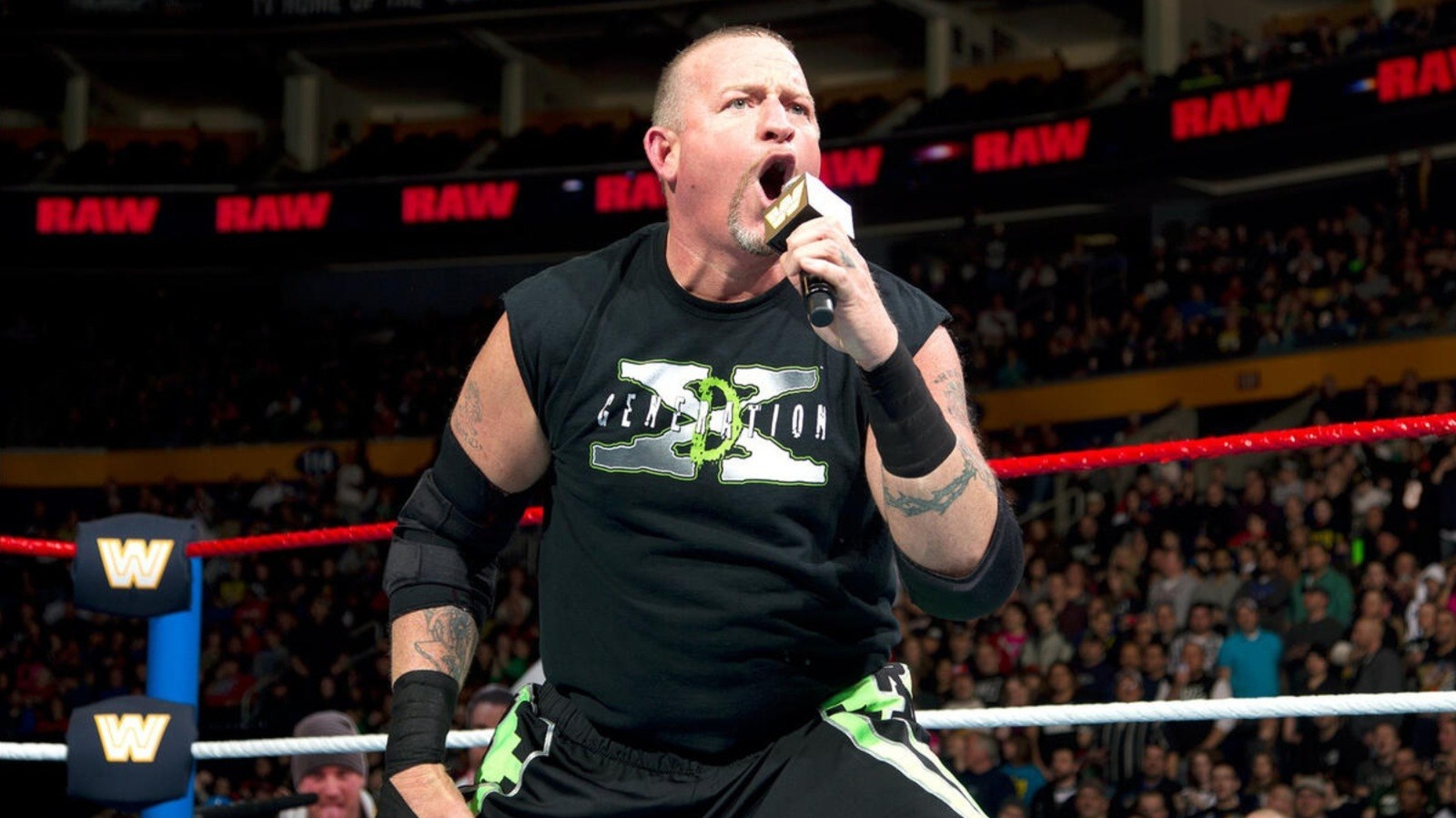
To fill the void, TNA has assembled a multi-headed booking committee. WWE Hall of Famer Brian James, known to fans as Road Dogg, will start his role at Slammiversary on June 28. Yet James will not be the primary decision-maker.
That responsibility belongs to Hunter Johnson, the former Ring of Honor head booker better known as Delirious. According to the Wrestling Observer Newsletter, James will work as a creative mind alongside Vice-President of TV Production Eric Tompkins. Their task is to help Johnson shape the final television product.
This split-power structure is a massive gamble. Historically, booking committees in wrestling lead to watered-down, compromised storytelling. The transition has already claimed its first high-profile victim.
Sami Callihan expected to join the creative team to help succeed Tommy Dreamer. Instead, TNA executives terminated his contract during a meeting. This abruptly ended Sami Callihan's sudden departure after a nine-year tenure.
It is a cold, calculated move that signals a complete shift in TNA's identity. But a clean break does not guarantee creative clarity. The new booking committee has to prove it can work together.
The Delirious Blueprint and its Limitations
Hunter Johnson brings a highly specific booking template to TNA. He directed Ring of Honor's creative direction for over ten years. His booking patterns are easy to identify.
He favors long, slow-burn babyface chases and rigid title divisions. Under Johnson, championships rarely changed hands on a whim. He built long reigns for performers like Jay Lethal to establish the title's value.
During his decade-long run at the helm of ROH, Johnson established a rigid structure. Under card matches were built entirely around athletic displays rather than angles. The main event scene was reserved for a select few who had spent years climbing the ranks.
He also relied heavily on faction warfare to structure the weekly television shows. Stables like The Kingdom and S.C.U. dominated the booking cycles. This approach kept the roster organized, but it often felt formulaic.
This dynamic created a product that felt incredibly insulated from the mainstream. The company succeeded on high-quality match delivery but failed to grow its audience share. The promotion eventually stagnated under the weight of its own repetitive patterns.
Hardcore fans frequently criticized Ring of Honor for booking that felt stuck in place. Johnson had a tendency to stick to plans even when the audience lost interest. He frequently used referee distractions and post-match beatdowns to protect losers.
These habits can quickly drag down a weekly television product. TNA cannot afford to fall into those repetitive cycles. The current TNA roster is already stable-heavy.
The System, led by Moose and Eddie Edwards, dominates the main event and tag team divisions. This matches Johnson's historic preference for dominant heel factions. The risk is that TNA television will become highly predictable.
Fans will quickly grow tired of constant faction interference in every major match. TNA needs immediate, dynamic storytelling to grow its television audience. Johnson's methodical, match-first approach works well for a dedicated niche.
It struggles, however, to attract casual viewers. Without strong character hooks, long matches can feel academic rather than dramatic. Brian James represents the exact opposite of Johnson's wrestling philosophy.
The Sports Entertainment Counterweight
James spent years as the lead writer for WWE SmackDown Live. He is a firm believer in the sports entertainment model. He has openly stated that weekly television should focus on talk segments and backstage drama.
In James's world, matches are simply the resolution to a story. The heavy lifting is done through promos, vignettes, and comedy segments. This philosophy produced some highly entertaining character work in WWE.
It also resulted in short matches and constant non-finishes on television. Hardcore fans often felt the actual wrestling was treated as an afterthought. TNA is attempting to merge these two conflicting booking philosophies.
James will work directly with Eric Tompkins, the Vice-President of TV Production. Tompkins has successfully modernized TNA's visual presentation over the past year. The lighting is sharper, and the camera angles feel more dynamic.
James is expected to use this production setup to create WWE-style backstage segments. He will script the promos and structure the non-wrestling portions of the show. Meanwhile, Johnson will book the in-ring action.
This division of labor sounds logical. In practice, it often creates a disjointed television product. A wrestling show needs a singular, cohesive voice.
When the backstage segments feel like WWE and the matches feel like Ring of Honor, the show loses its identity. The contrast can be jarring for viewers. TNA risks alienating both hardcore wrestling fans and casual television viewers.
The Sami Callihan Casualty
The decision to release Sami Callihan is a major tactical mistake. Callihan was the heart and soul of the promotion for nearly a decade. He carried the company through its most difficult periods.
During the empty-arena pandemic era, he wrestled high-profile, physical matches that kept the brand relevant. Callihan understood the specific, gritty appeal of the promotion. He brought a sense of danger and unpredictability to his feuds.
He was a master of building heat through realistic, intense promos. His departure leaves a massive void in the roster's character depth. The manner of his exit is particularly concerning.
Callihan believed he was transitioning into a creative role to help guide the company's future. To fire him instead shows a worrying lack of loyalty from management. It also sends a chilling message to the rest of the locker room.
This firing suggests TNA executives want a more corporate, sanitized product. They are chasing a clean, polished aesthetic that matches WWE. But TNA has never succeeded by being WWE-lite.
The company is at its best when it offers a grittier, more intense alternative. Callihan's creative input would have been invaluable. He has successfully booked independent promotions for years.
He knows how to connect with modern wrestling audiences. Replacing his presence on the screen and backstage will be incredibly difficult. The new creative team face their first major test tomorrow night in Boston.
Slammiversary 2026: The First Live Test
The card for Slammiversary 2026 is a reflection of this transition period. In the main event, Mike Santana defends the TNA World Championship against Nic Nemeth. This match highlights the contrast between TNA's traditional grit and WWE-style polish.
Santana is a physical, hard-hitting babyface who earned his spot through raw workrate. Nemeth is a highly theatrical, WWE-trained performer. The quality of the main event depends on which style prevails.
The main event matches represent the primary battleground of these clashing philosophies. Boston fans are traditionally demanding and value clean athletic performances. Melodrama or interference will quickly turn the arena hostile.
If Santana is allowed to work a physical, realistic match, it will succeed. If it devolves into over-plotted melodrama, the Boston crowd will reject it. The X-Division Ultimate X match is also on the card.
It features Cedric Alexander alongside young talent like Leon Slater and KC Navarro. This is a classic Ring of Honor style match that Johnson is well-equipped to book. It should be a spectacular showcase of pure athletic ability.
The tag team title match presents a different set of challenges. The System defends against the Hardys, The Righteous, and The Great Hands in a four-way ladder match. The Hardys are a major nostalgia draw, but their physical limits are clear.
A ladder match is a convenient way to hide those limitations with stunts. The booking of the tag titles will show where TNA's priorities lie. A victory for the Hardys is a short-term move for ratings.
A win for The System or The Great Hands would show a commitment to building the future. The new creative team cannot afford to make the wrong choice in Boston. TNA Wrestling is walking a dangerous line.
The combination of Hunter Johnson's traditional booking and Brian James's sports entertainment style is an awkward fit. By firing Sami Callihan, they have voluntarily removed their strongest connection to their gritty roots. The new booking committee must find a way to compromise without watering down the product.
If they fail, the show will become a disjointed mess that lacks a clear target audience. Wrestling history is full of failed booking teams that tried to please everyone. TNA must prove they can avoid that fate, starting tomorrow night in Boston.
The stakes have never been higher for the promotion. Boston's Agganis Arena will be an unforgiving room if the booking falls flat.
CM Punk "Best in The World" Official WWE Ringer T-Shirt
The iconic tee from the one and only Best in the World.
Frequently Asked Questions
Who is replacing Tommy Dreamer as TNA's head of creative?
When will Brian James start his new creative role in TNA?
Why did Sami Callihan leave TNA Wrestling?
What are the key features of Hunter Johnson's booking style?
How did Hunter Johnson structure Ring of Honor's match card?
More Coverage
TNA is reportedly close to signing Road Dogg to lead its creative shakeup
an hour ago
Why TNA's creative shakeup makes Slammiversary 2026 a massive gamble
an hour ago
Backstage details emerge as Road Dogg reportedly joins TNA creative
an hour ago
Why TNA Wrestling's new women's title is doomed to fail
4 hours ago
Why Sami Callihan could be headed to WWE's AAA after TNA exit
8 hours ago
TNA Wrestling shuts down sale rumors as Moose tells fans to stop playing analyst
8 hours agoMore Analysis
Giulia's biggest SmackDown challenge has arrived sooner than expected
an hour ago
TNA is reportedly close to signing Road Dogg to lead its creative shakeup
an hour ago
Blake Monroe's SmackDown debut sets up a fascinating tactical war with Giulia
an hour ago
Why TNA's creative shakeup makes Slammiversary 2026 a massive gamble
an hour ago
Backstage details emerge as Road Dogg reportedly joins TNA creative
an hour ago