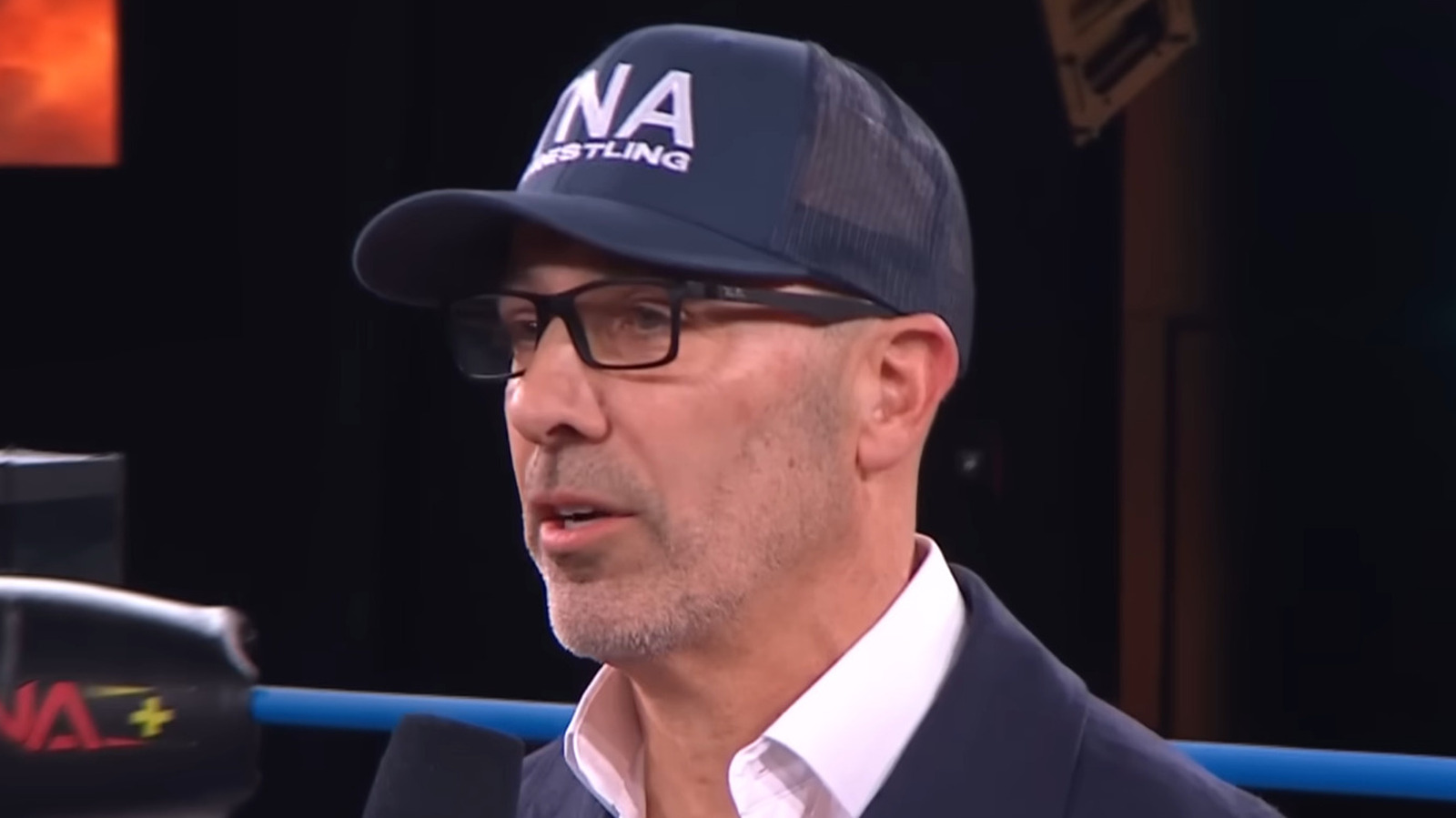
The Corporate Storm Before Slammiversary
The noise surrounding TNA Wrestling is deafening. Tomorrow, June 28, 2026, is Slammiversary, but the conversation is not about the ring. It is about the ledger.
Anthem Sports, the parent company of TNA, announced a workforce reduction on June 17, 2026. The statement described it as a strategy to streamline operations and increase profitability. This corporate tightening immediately preceded a wave of talent and executive departures.
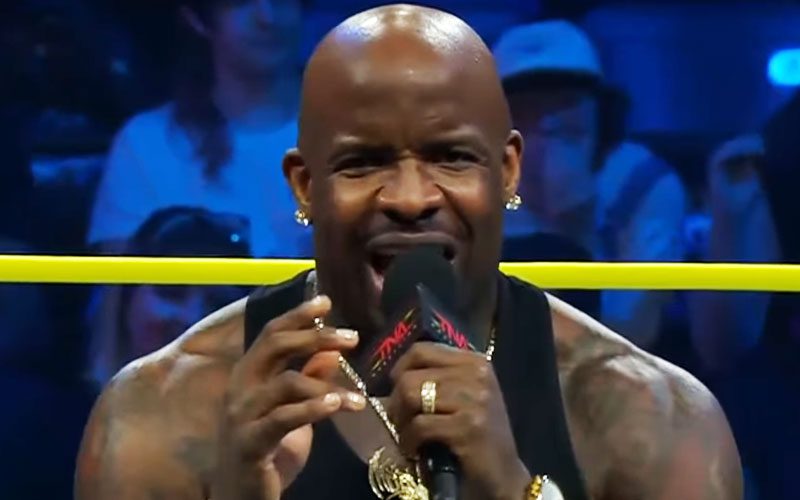
Tommy Dreamer has mutually parted ways with the promotion. Meanwhile, rumors suggest former WWE writer Road Dogg Brian James is set to join the creative team. Amidst this personnel shuffle, social media began churning with wild rumors of a sale.
Some posts claimed Anthem was shopping the company with a price tag of $30 million to $50 million. The rumors grew so loud that Tony Khan was asked about buying the company during the AEW Forbidden Door media call. It was a distraction TNA did not need on the eve of their biggest show.
TNA and Anthem sources quickly denied the rumors to PWInsider, stating the company is not for sale. But corporate stability is not the same as creative health. Leaks suggest the promotion is preparing to launch a new championship next month.
The Tactical Blunder of a Mid-Card Belt
Reports from Fightful Select indicate TNA will introduce a women's mid-card championship. The tournament to crown the first champion is scheduled for the July television tapings. TNA will tape shows at the Broadview Center in Albany and the Liacouras Center in Philadelphia.
This tournament is supposed to inject fresh energy into the Knockouts division. It is a classic booker's reflex. When booking stalls, introduce a new title to create artificial stakes.
But this is a tactical error. A secondary championship requires a deep roster to sustain it. TNA simply lacks the numbers to support a second singles women's belt.
Look at the current Knockouts champion, Lei Ying Lee. She has held the title with distinction, yet her reign has suffered from a lack of credible challengers. TNA has struggled to build compelling programs for their primary champion.
If you cannot book one women's division effectively, splitting it is a mistake. It is a basic resource allocation problem. You are dividing a thin talent pool and diluting the main title's value.
Independent Lessons in Over-Booking
Independent promotions illustrate the difficulty of managing multiple storylines with limited rosters. Look at Gotham Wrestling's TV show on June 21. Richard Holliday defeated Ray Jaz in a match that should have built both men.
Instead, the finish was over-booked. Holliday stalled early and argued with ringside fans. Jaz worked a front facelock and hit a Northern Lights suplex. Holliday responded with a backbreaker and a sit-out powerbomb.
Jaz escaped a burning hammer and tried to secure an ankle lock. But the match was derailed at the finish when Max Caster hopped the rail. Caster distracted the referee, preventing him from seeing Jaz tapping to a crossface. Jaz was low-blowed and pinned.
We saw a similar booking pattern at the Wrestling Open show in Cranston, Rhode Island, on June 22. Ichiban and Sammy Diaz faced The Verdict. The match began as an entryway brawl, with Ichiban hitting a top-rope frogsplash and Diaz attempting a Styles Clash.
But Vinny assisted Bryce Donovan's pin from the outside, stealing the win. Max Caster then challenged Bobby Orlando, who had stolen Caster's music rights. Caster declared Orlando must defeat three opponents next week just to face him.
This is the booking trap TNA will face with a mid-card title. When a roster is thin, bookers must rely on interference and convoluted stipulations to avoid clean finishes. Otherwise, they run through their limited matchups too quickly.
Independent promotions are forced to use these tricks because they lack depth. But TNA is supposed to be a national TV product. They cannot afford to turn their women's division into a weekly parade of cheap finishes.
The Crossover Trap
TNA will likely rely on independent standouts to fill the July tournament. Wrestlers like Harley Hudson, who is working Blitzkrieg Pro in Enfield today, could easily be brought in. But transient talent cannot build a division's identity.
The WWE partnership also complicates matters. TNA has frequently used NXT talent to bolster their cards. It is highly likely the new mid-card champion will end up defending the title against NXT roster members.
This creates a developmental feel. The belt becomes a prop for WWE's junior talent rather than a prize for TNA's own roster. It does nothing to build long-term equity for Anthem's brand.
Wrestling Is Now (WIN) showed how to build real buzz this month. They were featured in Steven Spielberg's film "Disclosure Day" which hit theaters on June 12. They followed it up today with their Winner's Circle show in Flushing, capitalizing on movie hype.
TNA, by contrast, is attempting to build buzz through administrative expansion. A new title is a cheap shortcut. It does nothing to replace the hard work of character development and long-term booking.
The August Cage Match Problem
TNA's schedule makes this title introduction even more difficult. The Lockdown pay-per-view is scheduled for August. This event is famous for its steel cage matches.
Steel cage matches require intense, personal rivalries that have simmered for months. Trying to build a cage match around a brand-new, mid-card women's title in less than four weeks is a recipe for disaster. The matches will feel rushed and the stakes will feel hollow.
If TNA rushes the new champion into a cage match in August, it will expose the tournament's flaws. The division needs months of solid storytelling before it can support cage matches. Pushing them into a cage immediately will only highlight the lack of depth.
The Final Prediction
The July tournament in Albany and Philadelphia will happen. TNA will crown a mid-card champion. The initial matches will probably be decent because the talent is capable.
But the championship is dead on arrival. Within six months, the title will be functionally irrelevant. It will either be unified with the Knockouts World Championship or quietly retired during the next round of budget cuts.
Anthem's workforce reduction is about cutting costs. A new championship requires manufacturing a belt, allocating TV time, and booking extra talent. This runs completely counter to their corporate strategy.
TNA must invest in roster depth, not extra gold. Lei Ying Lee needs challengers, not a secondary division stealing her television minutes. This new title is a distraction TNA cannot afford.