The friction point in professional wrestling
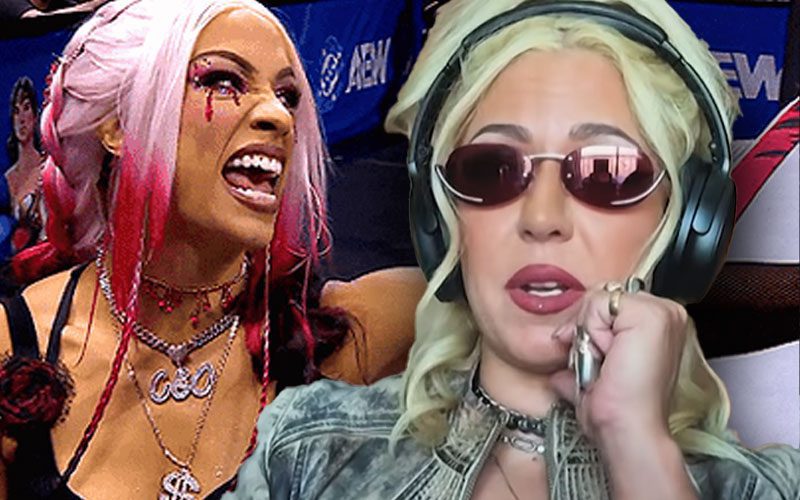
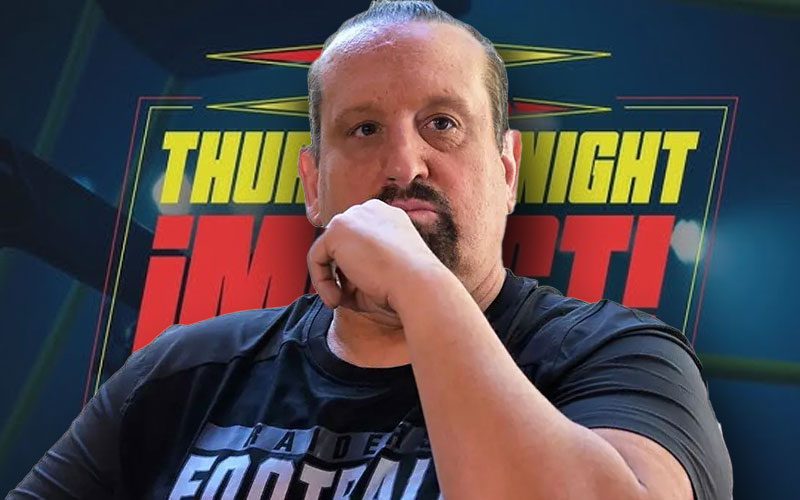
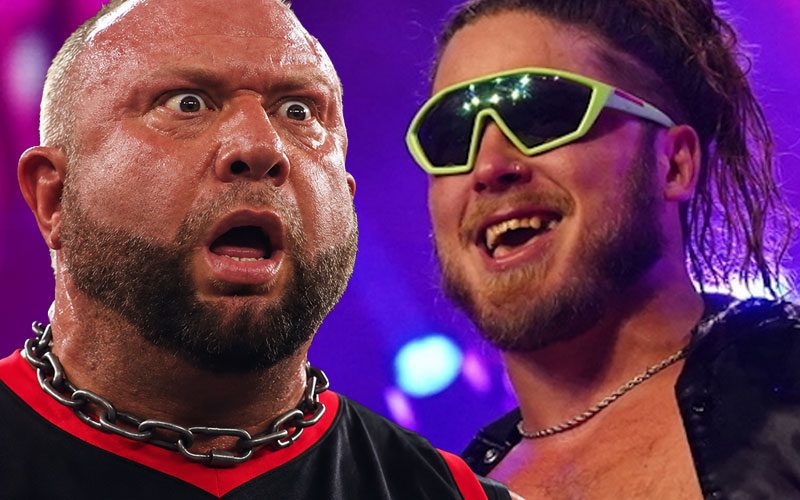
Professional wrestling thrives on blurring lines between character work and personal reality. But the recent public confrontation between Joey Janela and Bully Ray creates a different kind of tension. Janela has directly challenged Bully Ray following accusations regarding his behavior at Jersey Shore bars, shifting the discourse away from the ring and into the realm of personal conduct.
Janela has made it clear he prefers direct confrontation over digital exchanges. In an era where many performers prefer the safety of keyboard critiques, Janela is escalating his approach. This isn't a scripted feud focused on championship gold or ring supremacy. It is a targeted, personal call-out that complicates current locker room dynamics for the promotions involved.
Historical context of public locker room disputes
History shows that when personal conduct allegations move to public platforms, organizational control slips. In past instances, such as the 2011 pipebomb or subsequent unscripted shoot promos, the fallout often forced management into uncomfortable disciplinary decisions. The industry has struggled to manage the line between authentic friction and brand damage.
When performers like Janela opt for high-visibility accusations, they limit the capacity of management to mediate quietly. Competitors and promoters typically prefer internal resolution to prevent unwanted press. By moving his grievances to the public sphere, Janela forces a choice: address the conflict publicly or maintain a precarious silence that fuels further viral speculation.
Strategic implications for independent promotions
Independent promotions rely on the stability of their talent pool to maintain regular scheduling. If disputes turn into prolonged social media warfare, organizers risk losing the ability to book these individuals on the same cards. This creates a functional constraint on booking, forcing promoters to choose sides in personal battles that have nothing to do with the wrestling product.
There is a notable void in professional moderation here. Without a clear mechanism to resolve these non-kayfabe issues, the cycle of accusation and reaction becomes a drain on mental resources. When talent spends energy on social media mudslinging, their focus, physical condition, and performance during training and matches suffer accordingly.
The medical perspective on toxic work environments
From a sports medicine standpoint, high-stress environments correlate with higher injury risk. Sustained cortisol elevation from interpersonal conflict suppresses immune function and delays recovery from physical trauma in the ring. Performers facing professional instability often report higher instances of muscle fatigue and lower concentration during high-impact sequences.
The lack of a unified policy for handling these outbursts leaves the industry vulnerable. While recent reports highlight the willingness of certain stars to engage on social media, there is little evidence that this behavior improves the product. Instead, it invites external scrutiny that most companies are ill-equipped to handle.
Critical observation on professional tone
The current discourse reflects a lack of discipline that diminishes the perceived professionalism of the independent scene. When wrestlers treat social media as an arena for character assassination, they erode the barrier that separates the business from the fan base. This casual approach to sensitive accusations can trigger real-world consequences, far removed from the safe confines of a scripted storyline.
Ultimately, Janela’s willingness to escalate matters to face-to-face confrontations suggests a rupture in the professional code of conduct that once defined industry veteran exchanges. By ignoring the traditional gatekeepers, these talents are engaging in a high-risk strategy that could lead to suspensions, cancellations, or worse. The industry currently lacks the firm hand required to keep these disputes strictly under wraps, leaving fans to watch the fallout in real-time as the 2026 calendar moves deeper into the summer season.